As the conflict between Ukraine and Russia marks its fifth year, recent developments indicate a shift in the dynamics on the ground. Ukraine has managed to regain portions of its southern territory, signaling potential weaknesses in the Russian military’s offensive capabilities.
Throughout December and February, Ukrainian forces achieved limited but significant territorial gains. These advances, while modest in scale, showcase a resilient and determined defense strategy that counters the advanced stage of the conflict and the previously entrenched positions held by Russian troops.
The regained areas in Ukraine’s south are strategically important, not only for military control but also for lifting the morale of Ukrainian forces and the civilian population alike. They also provide Ukraine with forward positions that could be used for further operations to reclaim occupied territories.
Despite Russia’s initial advantage and significant military resources, their offensive momentum appears to have stalled. Analysts suggest that operational challenges, logistical issues, and resistance from Ukrainian forces have contributed to this slowdown. In contrast, Ukraine has benefited from improved military tactics, international support, and effective utilization of intelligence.
The gains made by Ukraine underscore vulnerabilities in the Russian war effort, which have become more apparent as the conflict extends beyond expectations. The slow yet steady pushback could indicate a turning point in this protracted war, potentially influencing diplomatic discussions and international responses.
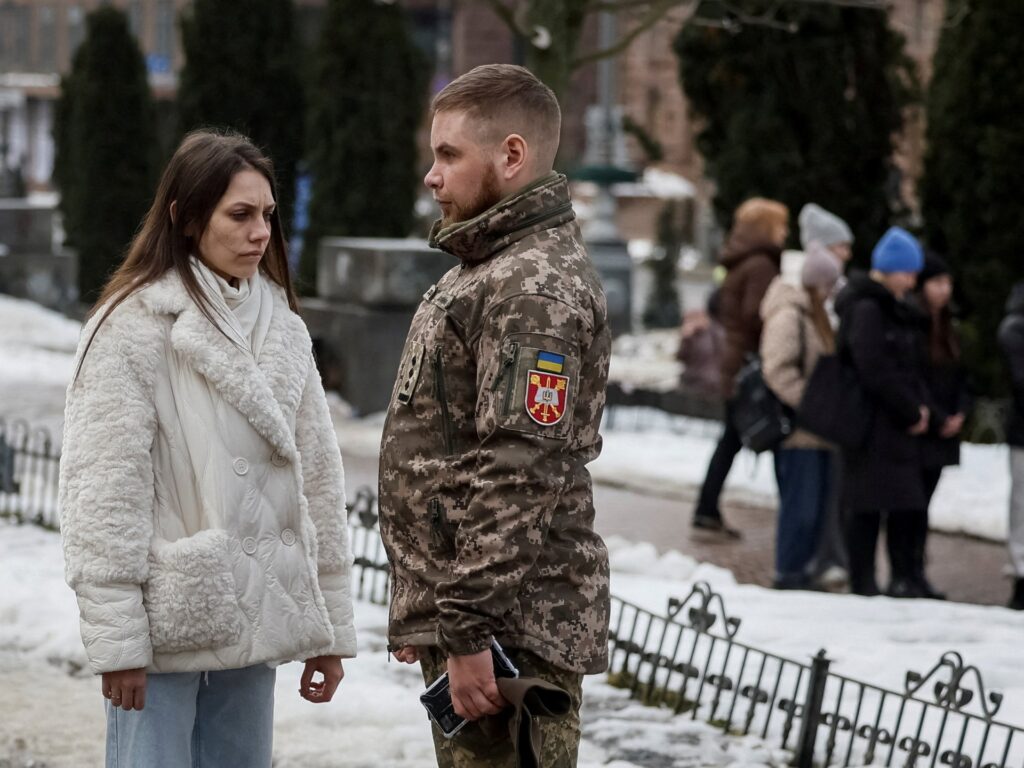
However, the situation remains fluid and precarious. The conflict’s continuation is causing ongoing humanitarian issues, with civilians caught in the crossfire and infrastructure severely damaged. International agencies continue to call for ceasefires and negotiations, but peace remains elusive as both sides maintain their stands.
The fifth year of the war is a critical juncture. Ukraine’s ability to claw back territory represents hope and resilience but also highlights the complexities of modern warfare where gains are contested, and control is fragile. The geopolitical implications of these developments will likely influence global alliances and security strategies moving forward.
In summary, the recent incremental territorial recoveries by Ukraine in the south reveal not only tactical successes but also expose the limitations of Russian offensives. As the war drags on, the balance is shifting, offering a glimpse of potential outcomes that could reshape Eastern Europe’s future.