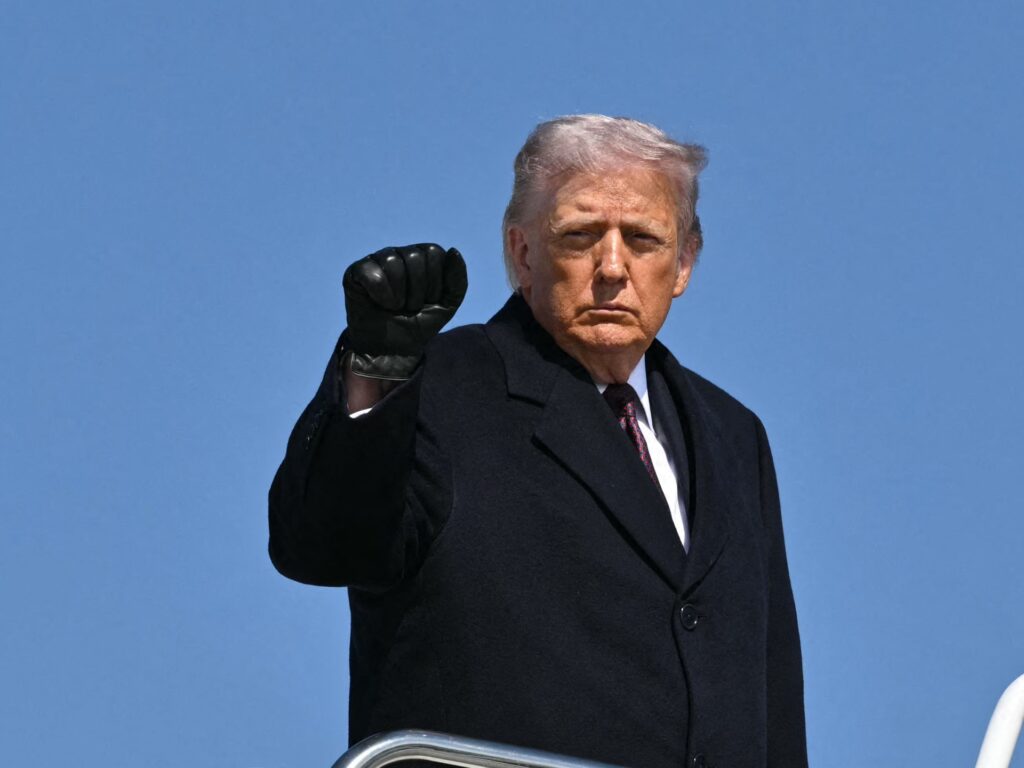
In a recent statement that has sparked widespread attention, former U.S. President Donald Trump remarked on the potential for the United States to conduct a “friendly takeover” of Cuba. Trump’s assertion suggests a shift in tone regarding the historically complex and often tense relationship between the US and Cuba.
The statement was made during a public appearance where Trump discussed various foreign policy topics. He opined that “we could very well end up having a friendly takeover of Cuba,” indicating that the longstanding US embargo and diplomatic challenges could eventually give way to a more conciliatory approach.
Historically, US-Cuba relations have been marked by conflict and suspicion since the Cold War era, including the Bay of Pigs invasion and the Cuban Missile Crisis, followed by decades of strained diplomacy. The US has imposed a trade embargo on Cuba for over six decades, aiming to pressure the Cuban government toward democratic reforms.
Trump’s comment has prompted reactions ranging from skepticism to curiosity among policy analysts and international observers. Supporters see it as a potential opening for improved relations and economic opportunities, while critics warn that such a takeover would be fraught with ethical, political, and logistical challenges.
Analysts note that a “friendly takeover” implies a scenario vastly different from past interventions, hinting at cooperation rather than conflict. It raises questions about how such a process would be negotiated with Cuban authorities and the international community.
In recent years, there has been a fluctuating US approach to Cuba, including the re-establishment of diplomatic relations under the Obama administration, followed by a tightening of restrictions under Trump’s presidency. The latest remarks suggest the former president envisions a renewed strategy for engagement.
Experts emphasize that any potential US move toward greater involvement in Cuba would require careful consideration of Cuban sovereignty, international law, and the views of the Cuban people themselves.
The possibility of a “friendly takeover” also invites comparison to other international examples where countries have transitioned through diplomatic and economic integration, rather than military intervention.
As of now, the US government has not announced any formal plans to pursue such a course, and it remains unclear how this concept would be operationalized.
The statement continues to fuel debate around US foreign policy in the Caribbean and the broader implications for diplomacy, regional stability, and Cuban-American relations.
While Donald Trump’s remarks are viewed by some as speculative, they underscore the complexities and evolving nature of US-Cuba relations. Observers continue to watch closely for any developments that might indicate a shift from historic patterns of confrontation to a more collaborative future.