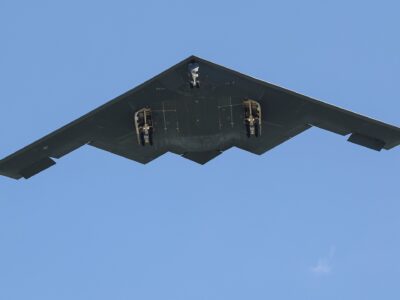
In a significant development reflecting growing tensions over the use of artificial intelligence (AI) in military applications, former President Donald Trump has directed federal agencies to halt their use of Anthropic’s AI technologies. This directive comes in the context of a protracted dispute between the Pentagon and Anthropic, a leading AI research company.
The feud, which has spanned several weeks, centers on concerns raised by the Pentagon regarding the ethical and operational implications of deploying Anthropic’s AI solutions in warfare. Anthropic, known for its advanced AI research and development, has been working on technologies that could potentially be integrated into military systems. However, the military’s apprehensions have led to increased scrutiny and a resulting standoff.
Officials associated with the Pentagon have highlighted the complexities involved in ensuring that AI technologies used in combat scenarios are safe, controllable, and align with international laws and ethical standards. This has prompted calls for a reassessment of partnerships with AI firms, including Anthropic.
Trump’s order underscores the seriousness with which these concerns are being treated at the highest levels of government. By instructing federal agencies to discontinue their engagement with Anthropic, the administration aims to prevent any unintended consequences arising from the deployment of AI in military contexts before a thorough evaluation can be conducted.
Anthropic has not publicly detailed its response to the directive, but industry observers note that this move could influence broader discussions on AI governance and the role of private tech companies in national security.
The dispute also highlights the broader challenges faced by governments worldwide in balancing innovation with ethical responsibility. As AI continues to advance rapidly, the line between beneficial applications and potential risks in defense becomes increasingly blurred.
Experts emphasize the need for clear frameworks and international cooperation to manage AI’s role in warfare, stressing that unilateral decisions could lead to fragmented policies and regulatory uncertainty.
The situation remains fluid, with future developments likely to hinge on diplomatic negotiations, regulatory reviews, and ongoing dialogue among stakeholders in government, the tech industry, and the international community.
This episode serves as a critical reminder of the evolving landscape of AI technology and its profound implications for national security and global stability.