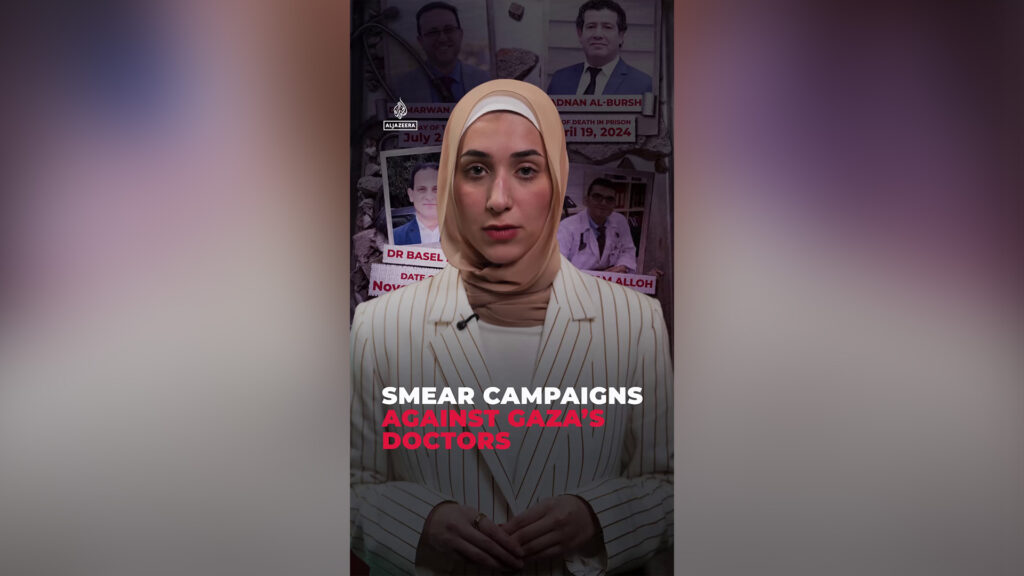
In recent times, Palestinian health workers in Gaza have been facing a concerning rise in smear campaigns aimed at discrediting their professional integrity and dedication. Yasmeen Aboujabal from Al Jazeera provides a detailed examination of how these smear tactics are being used to undermine the crucial work of doctors in a highly sensitive and volatile region.
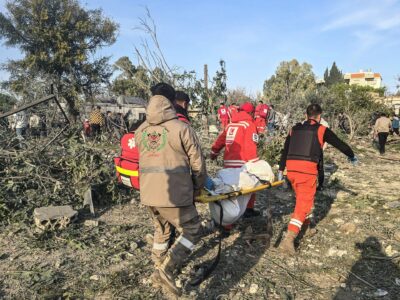
Gaza’s doctors are on the frontline, providing critical medical care in a context marked by conflict, limited resources, and humanitarian crises. Despite their commitment to saving lives and alleviating suffering, these health workers are increasingly targeted by propaganda efforts that seek to delegitimize their efforts and question their ethical standards.
The smear campaigns often involve baseless accusations, misinformation, and false narratives that portray these professionals as biased or politically motivated. This not only damages the reputation of individual doctors but also sows distrust among the population that relies on their care.
One tactic commonly observed is the amplification of isolated incidents, taken out of context, to suggest systemic malpractice or complicity in political agendas. Social media has played a significant role in spreading such disinformation rapidly, often amplified by actors with vested interests in distancing Gaza’s medical community from international support.
The implications of these campaigns are profound. When health workers are vilified, it can lead to reduced morale, increased psychological stress, and challenges in recruiting and retaining qualified personnel. Moreover, the erosion of trust in medical professionals undermines public health efforts, particularly in times of emergencies such as outbreaks or mass casualties.
Aboujabal highlights testimonies from Palestinian doctors who describe their struggle to maintain professional standards under siege—not only by the material hardships imposed by blockades and conflict but also by the relentless personal and professional attacks from smear campaigns.
International human rights organizations have condemned these campaigns, emphasizing the importance of safeguarding medical neutrality and protecting health workers from harassment and defamation. Protecting the integrity of healthcare personnel is essential to ensure uninterrupted medical assistance and uphold humanitarian principles.
The smear campaigns against Gaza’s doctors are part of a broader pattern of vilification against Palestinian institutions and individuals. They reflect the complexities of the geopolitical conflict but must not detract from the fundamental rights of health workers to perform their duties without fear or impediment.
In conclusion, Aboujabal’s report sheds light on the urgent need to recognize and combat smear campaigns targeting Gaza’s medical personnel. Supporting and defending Palestinian health workers is imperative to preserve their ability to deliver essential care amid ongoing challenges, thus safeguarding the health and dignity of the people they serve.