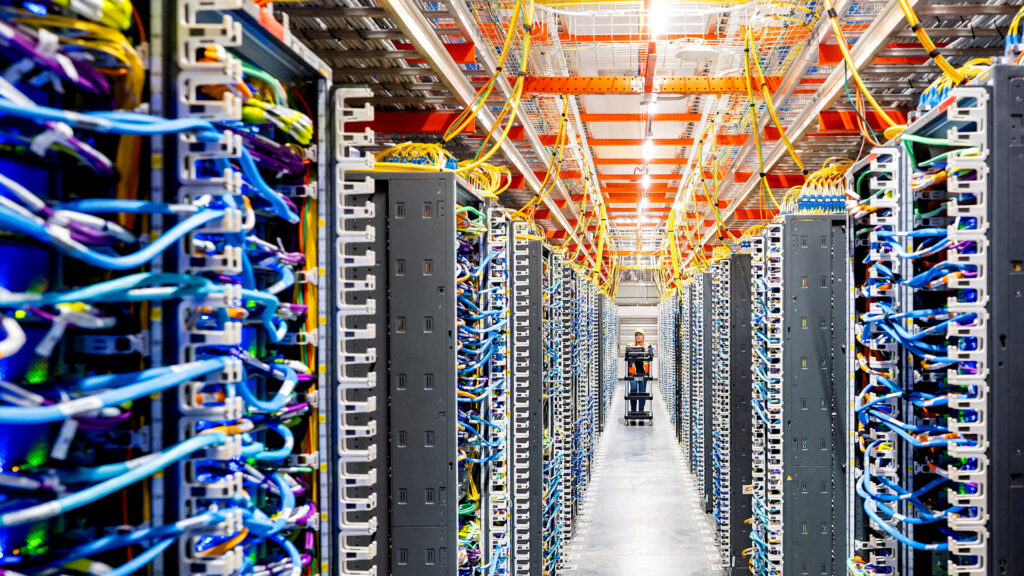
In the ever-evolving landscape of technology, a new challenge dubbed “RAMpocalypse” is gripping the global tech industry. This phenomenon is characterized by a surge in demand for memory chips, particularly RAM, driven predominantly by advancements in artificial intelligence (AI) technologies. As AI applications become increasingly complex and data-intensive, the need for vast amounts of high-speed memory has skyrocketed, creating supply chain disruptions and pricing pressures worldwide.
The term “RAMpocalypse” encapsulates the growing crisis where manufacturers and consumers alike are facing shortages and escalating costs of RAM. Unlike traditional cycles of tech demand where memory needs rise steadily, AI systems, including machine learning models, natural language processing tools, and autonomous systems, require exponentially more memory capacity and faster data throughput. This demand exceeds the current production capabilities of chip manufacturers.
Key players in the semiconductor industry are feeling the heat as inventories dwindle. Companies specializing in RAM production are struggling to ramp up manufacturing quickly enough to meet the soaring needs. Factors such as semiconductor fabrication complexity, constraints in raw materials, and the intricate assembly process contribute to the bottleneck.
This shortage has ripple effects across various sectors beyond AI itself. Cloud computing providers, personal computing, data centers, gaming industries, and even automotive manufacturers reliant on AI-driven technologies are encountering hurdles. For enterprises investing heavily in AI infrastructure, finding affordable and sufficient memory resources is becoming one of the major operational challenges.
Market analysts warn that unless new materials, production techniques, or architectural breakthroughs are introduced, the RAM crisis could persist for an extended period. Some experts predict increased investment in alternative memory technologies such as MRAM or next-generation non-volatile memories as avenues to alleviate the pressure.
Geopolitical factors also complicate the situation. Trade tensions and restrictions on critical technology exports have further strained supply chains, adding uncertainty to global market stability. Countries heavily dependent on semiconductor imports are actively seeking to diversify supply sources or develop domestic production capabilities.
Consumers may notice the impacts as prices for computers, smartphones, and other electronics with substantial memory requirements rise. Enterprises might experience delays or increased capital expenditure for upgrading their AI-driven systems.
In response, governments and industry coalitions are accelerating efforts to enhance chip manufacturing resilience. Initiatives focusing on expanding fabrication facilities, supporting semiconductor research, and fostering global collaboration aim to address the underlying causes.
Ultimately, the RAMpocalypse highlights the intricate dependencies in modern technology ecosystems. As AI continues to advance and permeate diverse facets of society, ensuring a stable and scalable memory supply will be critical for sustaining innovation and economic growth globally.
Stakeholders believe that with coordinated efforts across industry, government, and research sectors, the memory chip shortage can be mitigated. Continuous investment in technology development and supply chain optimization will pave the way for a balanced market where AI’s transformative potential can be fully realized without impediments caused by hardware limitations.