The recent bombing of Kabul by Pakistani forces has escalated tensions between Afghanistan and Pakistan, marking a significant turn in their long-standing turbulent relationship. Pakistani Defence Minister’s statement declaring an ‘open war’ against Afghanistan has raised concerns over regional stability and called attention to the deep-rooted disputes that have shaped the dynamics between the two neighboring countries.
Historically, Afghanistan and Pakistan have had a complex relationship marked by mutual distrust and border disputes, especially concerning the Durand Line, a border drawn during the British colonial period that Afghanistan has never formally recognized. Pakistan’s internal security situation, border management, and concerns over militant groups using Afghan territory for operations against Pakistan have fueled ongoing conflicts.
Pakistan accuses Afghanistan of harboring terrorist groups that destabilize its border regions. Conversely, Afghanistan views Pakistan’s actions as interference in its sovereign affairs. Recent cross-border attacks and military operations have signaled a deterioration in diplomatic ties that were already fragile due to political and ethnic issues.
The bombing of Kabul, the capital of Afghanistan, by Pakistani forces represents a serious escalation with potential international repercussions. It reflects Pakistan’s intent, as stated by its Defence Minister, to take a more aggressive stance against what it perceives as threats emanating from Afghan territory. This action disrupts the long-held peace efforts aimed at stabilizing the region.
Further contributing to the conflict is the complicated role of the Taliban regime in Afghanistan and its relationship with Pakistan. While Pakistan has had ties with the Taliban, it navigates a precarious balance of support and security concerns. The recent aggressive posture may also stem from shifting alliances and Afghanistan’s internal power dynamics.
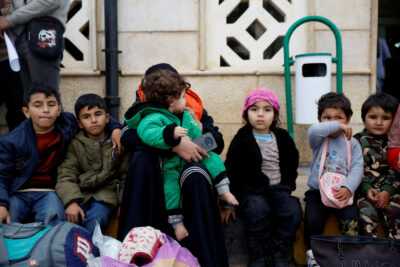
The consequences of this open warfare include increased displacement of civilians, heightening humanitarian crises, and the undermining of ongoing peace negotiations in Afghanistan. Regional players and international stakeholders are now urged to intervene diplomatically to prevent further escalation.
For decades, the Afghanistan-Pakistan conflict revolves around security concerns, ethnic divisions, political control, and mutual accusations of interference. This recent development underscores the urgent need for dialogue and concrete steps towards conflict resolution.
Understanding this complex relationship requires acknowledging the historical grievances, geopolitical interests, and current security challenges both countries face. The international community watches closely, urging restraint, diplomacy, and a recommitment to peace in one of Asia’s most volatile regions.