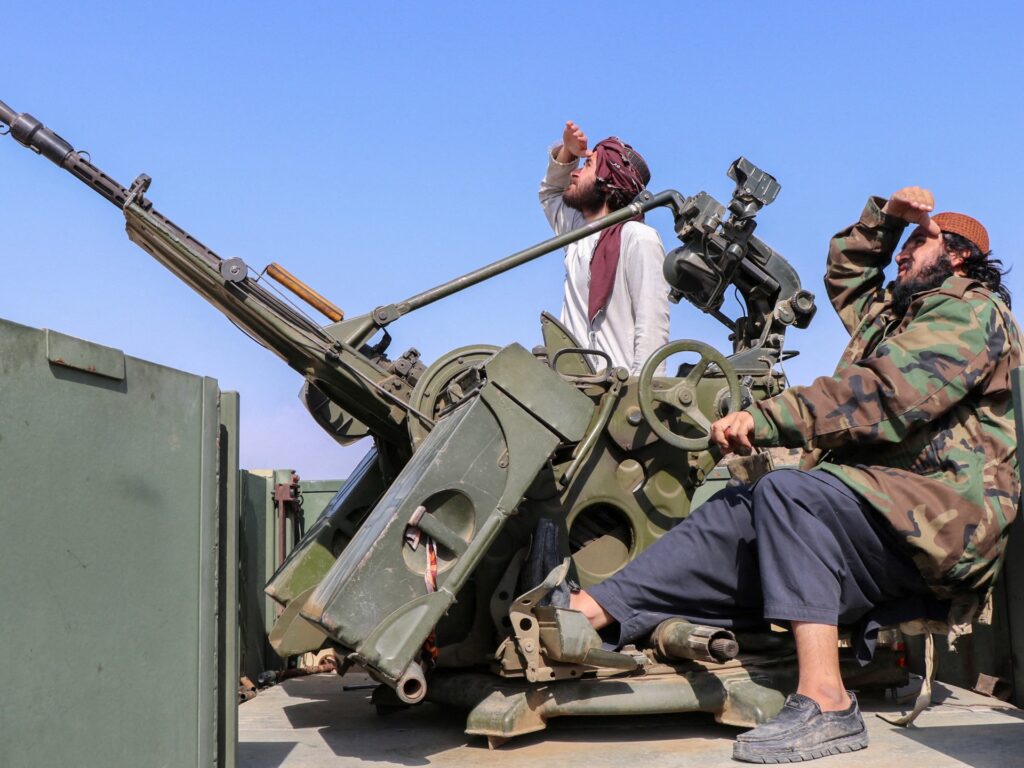
Recent developments along the Pakistan-Afghanistan border have escalated into violent clashes, drawing international concern and calls for peaceful dialogue. Pakistan has reportedly conducted targeted operations against Taliban forces in the border regions near Kabul, intensifying the already fragile security situation.
The United Nations Secretary-General has expressed grave concern over the escalation, noting the adverse impact on civilians caught in the crossfire. He emphasized the urgency of protecting civilian lives and underscored the need to de-escalate tensions to prevent further casualties.
This volatile situation has prompted international actors, including Iran and the European Union, to urge both Pakistan and Afghanistan to engage in meaningful dialogue. Iran, sharing borders and significant cultural ties with both countries, has advocated for diplomatic negotiations to settle disputes peacefully and avoid a humanitarian crisis.
Similarly, the European Union has called for restraint and encouraged facilitative talks to restore stability. They stressed that ongoing conflict not only affects regional security but also exacerbates challenges such as refugee flows and economic disruption.
Pakistan’s military operations have been portrayed as a response to security threats posed by Taliban factions operating within Afghan territory. These clashes underscore the complexities of cross-border militant activities and the fragile state of Afghanistan’s internal security.
Meanwhile, Afghan authorities have condemned the strikes, warning that such actions risk further destabilization and could provoke retaliatory attacks. They have called for respect of sovereignty and adherence to international norms.
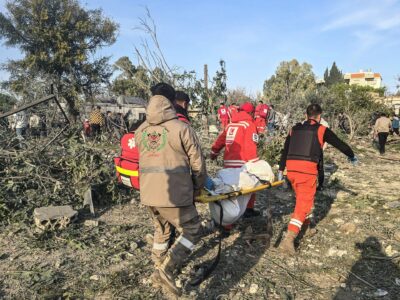
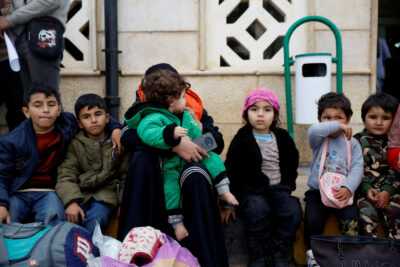
The situation along the Pakistan-Afghanistan border remains highly volatile, with reports of casualties and displacement among local populations. Humanitarian groups have raised alarms about the growing needs of affected civilians, including shelter, medical assistance, and access to essential services.
This eruption of violence highlights the enduring challenges faced by the region in achieving lasting peace and stability. It is a critical reminder of the importance of diplomatic engagement, regional cooperation, and the protection of human rights amidst complex geopolitical dynamics.
As dialogue efforts are encouraged by key international stakeholders, the hope remains that Pakistan and Afghanistan will pursue negotiations that prioritize peace, security, and the well-being of their peoples over prolonged conflict.
Ongoing monitoring and international support will be essential in fostering an environment conducive to peace and in alleviating the humanitarian impact on communities along the border.
This latest episode in Pakistan-Afghanistan relations serves as a call to action for all parties to commit to constructive communication and conflict resolution strategies to ensure a safer and more stable future for the region.