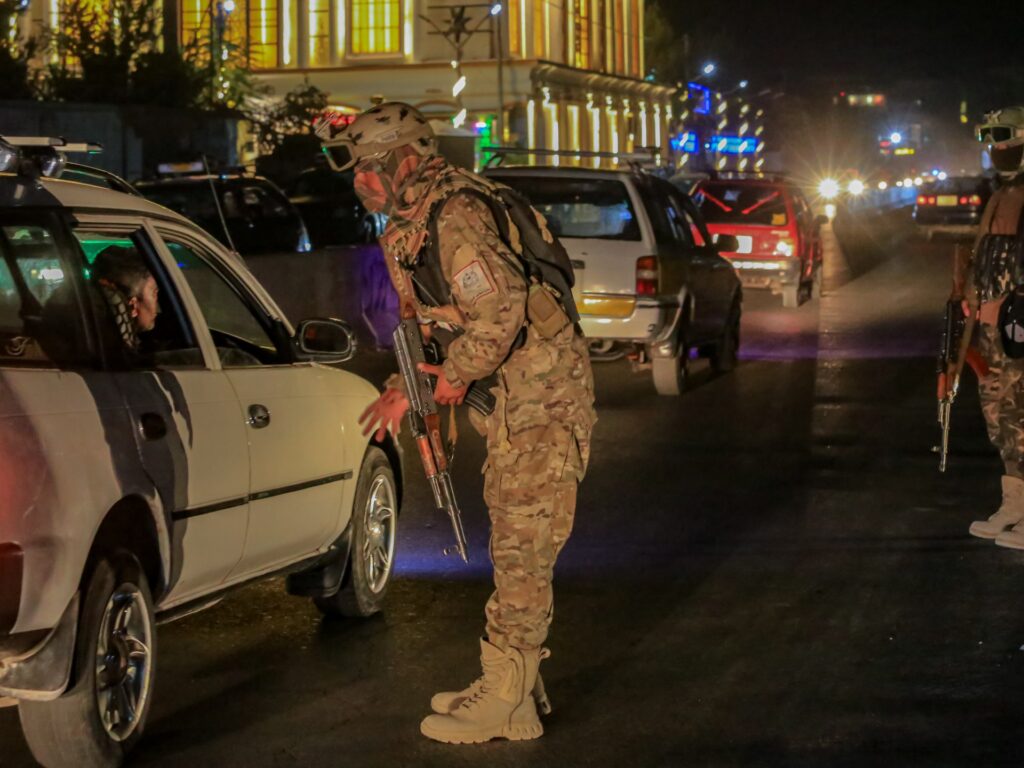
In a significant escalation of tensions between Pakistan and Afghanistan, Pakistan has launched air strikes on Afghanistan’s capital, Kabul, amidst severe diplomatic strains and cross-border conflicts. Al Jazeera’s correspondent in Kabul reported hearing explosions and anti-aircraft fire, marking a grim turn in the relationship between the two neighboring countries.
The Pakistani government declared that its ‘patience has run out,’ signaling a possible open war scenario after years of mounting grievances and unresolved issues along their shared border. The air strikes reportedly targeted militant hideouts and infrastructure that Pakistan alleges are being used to facilitate attacks within its borders.
Historically, the Pakistan-Afghanistan border region has been plagued by insurgency and militant activities, with both countries accusing each other of harbouring terrorist groups. Pakistan’s military operations have often been justified by Islamabad as necessary to counter terrorism, but strikes inside Kabul mark a sharp escalation.
Afghanistan’s government condemned the bombings, accusing Pakistan of violation of sovereignty and calling for international intervention to prevent further aggression. Civilians in Kabul have been caught in the crossfire, with reports of casualties and damage to residential areas sparking fears of a broader conflict.
Internationally, there have been calls for restraint and dialogue. Regional powers and global organizations have urged both nations to de-escalate tensions and return to diplomatic negotiations. The UN Secretary-General expressed deep concern over the developments and the potential for widespread instability in the region.
This latest episode comes amid ongoing disputes over border demarcation and control of the porous Durand Line, which has long been a source of contention. Pakistan’s military leadership has publicly stated that operations will continue until it secures what it describes as a safe and stable border region.
Afghanistan’s leadership has vowed to defend its territory and sovereignty, warning of the consequences of sustained military aggression. Diplomatic channels remain strained, and the prospects for a peaceful resolution seem uncertain at this point.
The international community is closely monitoring the situation as further escalation could destabilize the already fragile security environment in South Asia, impacting millions of lives and regional politics. Humanitarian organizations have also raised alarms about the potential for displacement and increased suffering among civilians caught in this emerging conflict.
As the situation develops, all parties are urged to prioritize dialogue and peaceful solutions to avoid a full-scale conflict that could have far-reaching consequences beyond the immediate region.