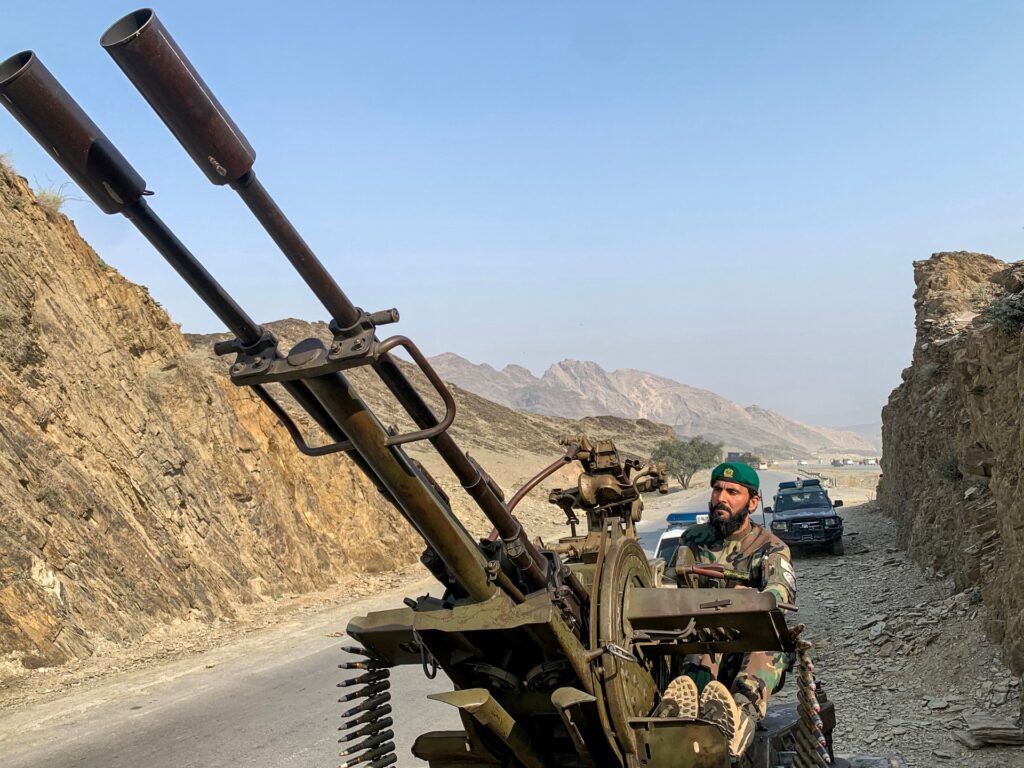
The recent escalation of conflict between Pakistan and Afghanistan’s Taliban has entered what officials and militants are describing as “open war.” Both sides have reported significant casualties as tensions rise sharply following a series of reciprocal military strikes.
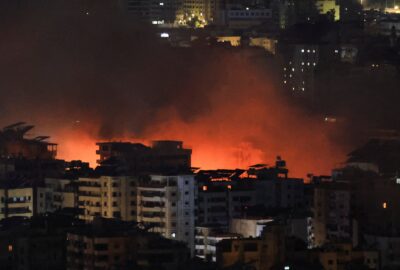
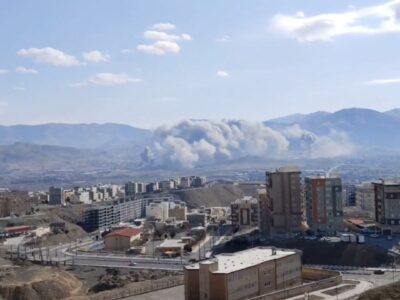
Over the past few days, both the Pakistani military and Taliban forces have accused each other of launching attacks across the border regions, resulting in notable casualties. Pakistan claims that it conducted aerial bombardments targeting Taliban positions in major Afghan cities including Kabul, Kandahar, and Paktia provinces. These strikes mark a significant intensification of the ongoing conflict between the two neighbors.
According to Pakistan’s military sources, the bombings were aimed at destroying insurgent strongholds as part of a strategic effort to curb Taliban operations that allegedly threaten peace and security in Pakistan’s border areas. The military confirmed multiple airstrikes and stated that they inflicted heavy losses on Taliban fighters.
In response, the Taliban have also reported casualties inflicted on Pakistani forces and accused Pakistan of violating Afghan airspace with these attacks. Spokespersons for the Taliban have condemned the bombings and vowed to retaliate, stating that their forces are mobilizing to defend Afghan territory and seek redress for what they consider an infringement on their sovereignty.
The situation has rapidly deteriorated with both governments trading blame and refusal to de-escalate. The cross-border hostilities have raised alarm among regional and international actors, many of whom fear the conflict could spill over and impact broader regional stability.
Diplomatic efforts to mediate the dispute have so far been limited and largely unsuccessful. Analysts note that the cycle of tit-for-tat attacks underscores the fragile security situation and the challenges facing peace efforts in Afghanistan and its surrounding regions.
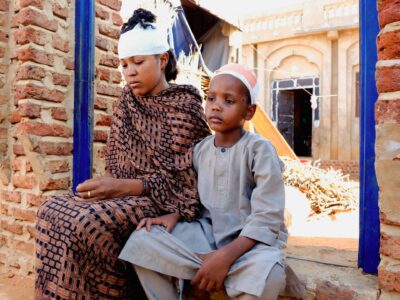
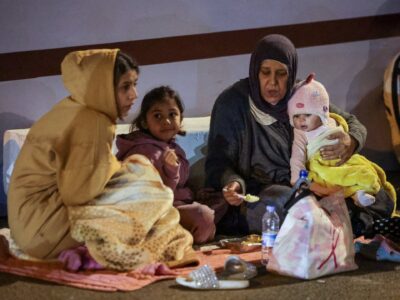
Local populations on both sides of the border are bearing the brunt of the violence, with reports of civilian casualties and displacement circulating amid the fighting. Humanitarian organizations have expressed concern, calling on both parties to exercise restraint and prioritize the protection of civilians.
This renewed conflict comes against a backdrop of longstanding tensions and unresolved issues dating back decades, including disputes over border demarcation, refugee flows, and the presence of militant groups. The latest developments indicate a sharp escalation that could destabilize the region further if not addressed promptly.
International observers continue to monitor the unfolding situation closely, urging dialogue and conflict resolution mechanisms to prevent further bloodshed. Meanwhile, Pakistan and Afghanistan remain locked in a precarious standoff with their Taliban actors unwilling to show signs of backing down.
As the violence continues, the prospects for peace remain uncertain, with significant risks that both countries could face prolonged conflict affecting their internal security and regional relations.
The international community’s call for calm and negotiation grows more urgent as casualties mount and the rhetoric escalates, highlighting the critical need for a diplomatic breakthrough amid this emerging “open war.”