In a significant decision, Israel’s Supreme Court has ruled that 37 aid organizations slated for a ban in Gaza can continue their operations. The ruling intervenes after the Israeli government announced plans to prohibit these groups from working in Gaza, citing their failure to comply with newly introduced regulatory requirements.
The decision marks a critical moment for humanitarian efforts in Gaza, where aid groups play a vital role in supporting the civilian population amidst ongoing conflicts and blockades. The new rules set by the Israeli authorities were aimed at increasing oversight and control over these organizations, but critics argue they risk crippling essential assistance.
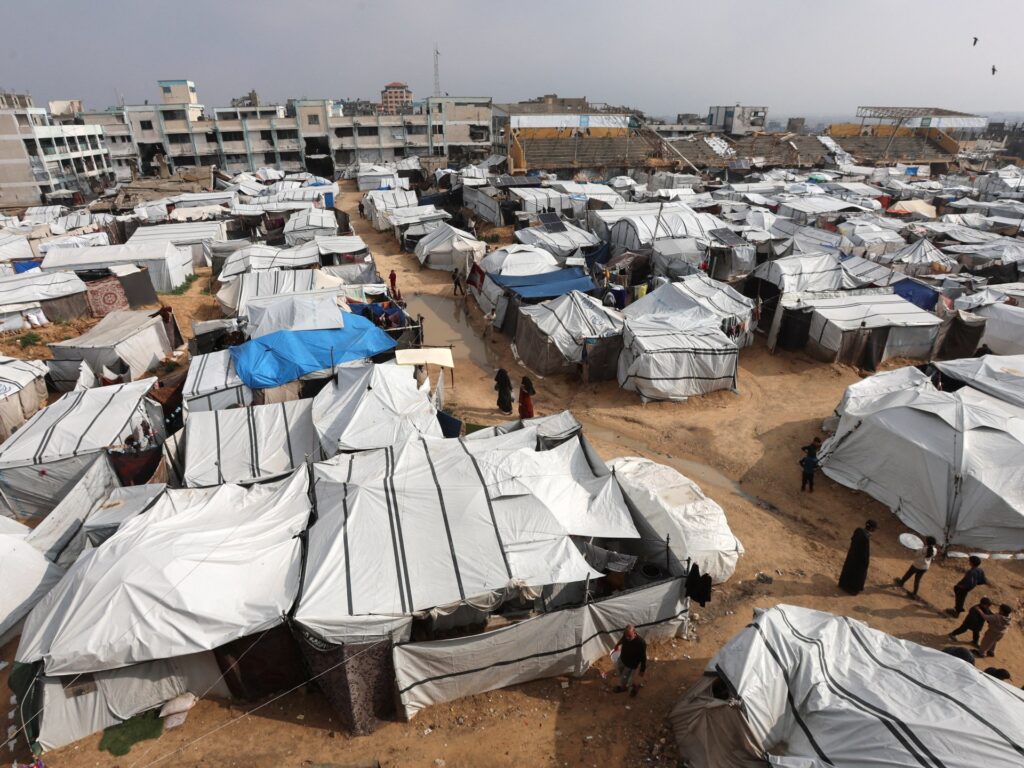
The 37 organizations targeted by the ban are involved in a range of activities including medical aid, food distribution, and civil support services. Their operations are considered crucial for tens of thousands of residents in Gaza who depend on external aid for survival amid restrictions and economic hardships.
Human rights advocates welcomed the Supreme Court’s ruling, emphasizing that humanitarian aid should remain unimpeded regardless of political tensions. The court’s decision underscores the importance of safeguarding the legal rights of aid organizations and ensuring uninterrupted access to vulnerable communities.
The Israeli government, however, maintains that the regulations are necessary to prevent the misuse of funds and resources by groups allegedly linked to organizations considered hostile to the state. Officials argue that adherence to these rules is essential for accountability and national security.
International observers are closely watching the situation, highlighting the delicate balance between security concerns and humanitarian needs. The ongoing controversy reveals the complex dynamics at play in Gaza, where the international community urges greater support for civilians affected by conflict.
This Supreme Court ruling could set a precedent for similar cases involving aid organizations operating in conflict zones under strict regulatory regimes. It also raises questions about how states can regulate humanitarian work without violating the principles of neutrality and independence essential to such efforts.
As the situation evolves, the ruling offers a temporary reprieve for aid groups, enabling them to continue delivering critical services to Gaza’s population. It also invites further dialogue between the government, civil society, and international partners on establishing frameworks that protect both security and humanitarian imperatives.
The decision is seen as a reminder of the ongoing struggles faced by aid organizations in contentious environments, where political, legal, and ethical challenges intersect. Ensuring the uninterrupted provision of humanitarian aid remains a priority amid these complexities.
In summary, the Israeli Supreme Court’s intervention has allowed key aid groups to maintain their presence in Gaza, countering the planned ban based on non-compliance with new regulations. This outcome supports continued humanitarian efforts during a critical period and highlights the ongoing debate over balancing security measures with humanitarian access in conflict-affected regions.