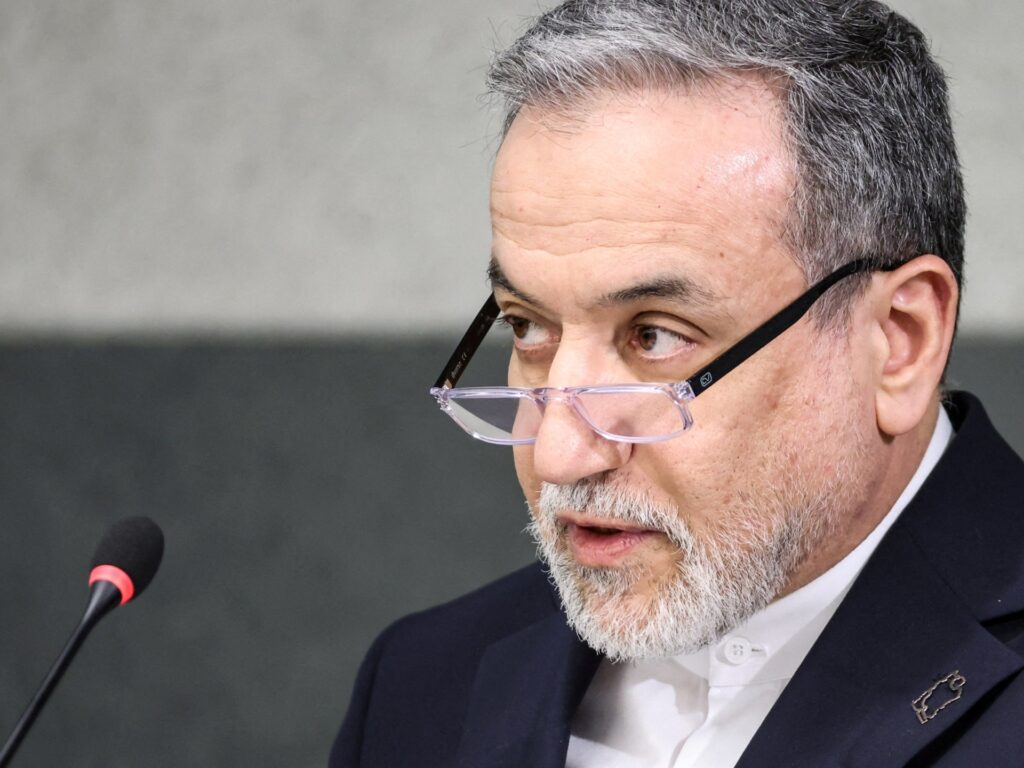
Iranian Foreign Minister has underscored the necessity for the United States to abandon what Tehran terms as ‘excessive demands’ in ongoing nuclear negotiations to pave the way for progress. The minister stressed that a serious and realistic approach is crucial to the success of these diplomatic efforts.
In recent statements, Iran has made it clear that inflexible conditions and maximalist expectations from the US side are hindering the diplomatic process. The foreign minister highlighted that the current stance adopted by the US could prevent the revival of the 2015 nuclear accord, formally known as the Joint Comprehensive Plan of Action (JCPOA), which both nations initially agreed to but the US later withdrew from in 2018.
The Iranian official emphasized that true negotiations require both parties to make concessions, especially by eliminating demands that Iran views as disproportionate or unreasonable. He conveyed that for talks to resume in a meaningful way, both Washington and Tehran need to showcase seriousness and pragmatism.
Expert analysts suggest that Iran’s position reflects a broader frustration with the lack of tangible progress in talks held intermittently over the past years. The foreign minister’s comments came amid ongoing discussions involving other world powers trying to mediate a resolution and avoid escalating tensions in the Middle East.
Historically, the nuclear deal was intended to limit Iran’s nuclear program in exchange for relief from economic sanctions. However, the US exit and reimposition of sanctions led to a breakdown in trust, complicating the path forward. Iran insists that the US needs to lift the sanctions fully and respect Tehran’s sovereign rights for negotiations to be fruitful.
This latest call from Iran signals that while there is still goodwill to engage diplomatically, the pathway remains fraught with challenges. Tehran’s insistence on dropping ‘excessive demands’ is seen as a key condition for any potential agreement.
Observers believe that renewed talks driven by a realistic appraisal of mutual interests could help reduce nuclear threats and stabilize the region. Nonetheless, until both sides adopt a more conciliatory tone, significant breakthroughs remain uncertain.
The world closely watches these developments, hoping for a resolution to one of the most critical international issues of the decade. Iran’s demand for the US to reassess its position could either serve as a turning point or a prelude to further deadlock. The coming weeks and months are therefore pivotal in determining the future of nuclear diplomacy between Tehran and Washington.