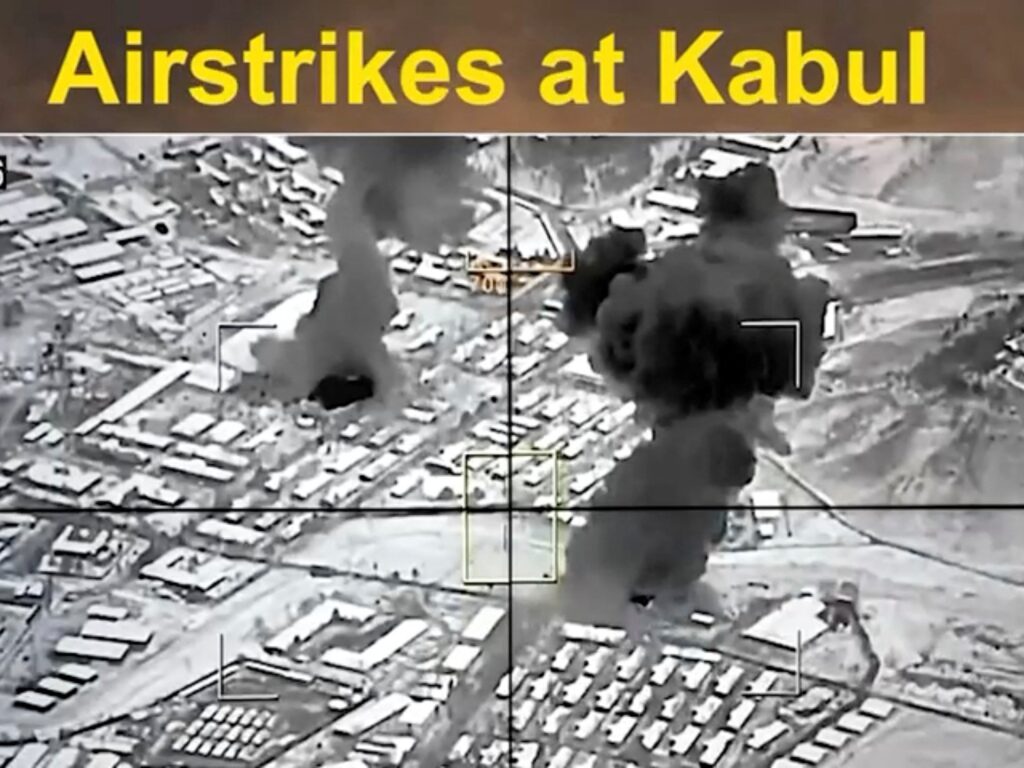
The recent eruption of fighting between Pakistan and Afghanistan has sent ripples across the international community, prompting urgent calls for peace and restraint.
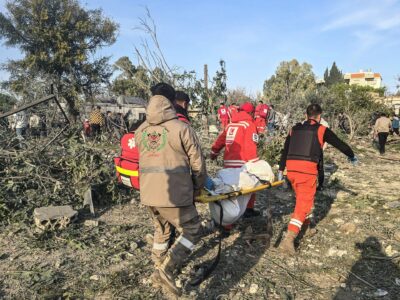
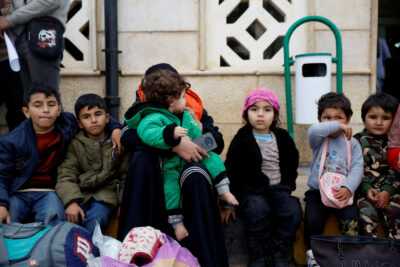
The conflict, which reignited tensions at the border, has resulted in casualties and displacement, causing significant concern among neighboring countries and global powers alike.
Countries around the world have voiced their apprehensions regarding the violence, emphasizing the need for dialogue over violence. The United Nations has issued an official statement condemning the outbreak of hostilities and urging both parties to engage in immediate ceasefire negotiations.
Key global actors including the United States, China, Russia, and members of the European Union have expressed their hopes for a peaceful resolution. They have called on Pakistan and Afghanistan to respect international laws and work towards stability in the region.
Humanitarian agencies are on alert as the conflict threatens to exacerbate the already fragile humanitarian situation, with millions at risk of displacement and deprivation.
Several countries have offered to mediate talks between the governments of Pakistan and Afghanistan, aiming to foster mutual understanding and reduce hostilities.
Experts highlight that the conflict’s roots are deep-seated, involving historical border disputes and security concerns related to cross-border militancy.
The escalation has also impacted regional trade routes and economic activities, prompting urgent discussions on restoring peace to maintain economic stability.
Analysts warn that prolonged conflict could destabilize South Asia more broadly, underscoring the importance of swift diplomatic engagement.
Civil society organizations across the globe have held demonstrations calling for peace and support for victims affected by the fighting.
International bodies are coordinating efforts to provide humanitarian relief, and there is a push for the international community to increase pressure on both sides to avoid further bloodshed.
The situation remains volatile, with ongoing clashes reported in several border areas, but the overwhelming global consensus is clear: restraint, dialogue, and peaceful resolution are imperative to avert a larger crisis.
The coming weeks will be critical as diplomatic missions intensify talks and seek pathways to de-escalate tensions and build long-term peace frameworks.