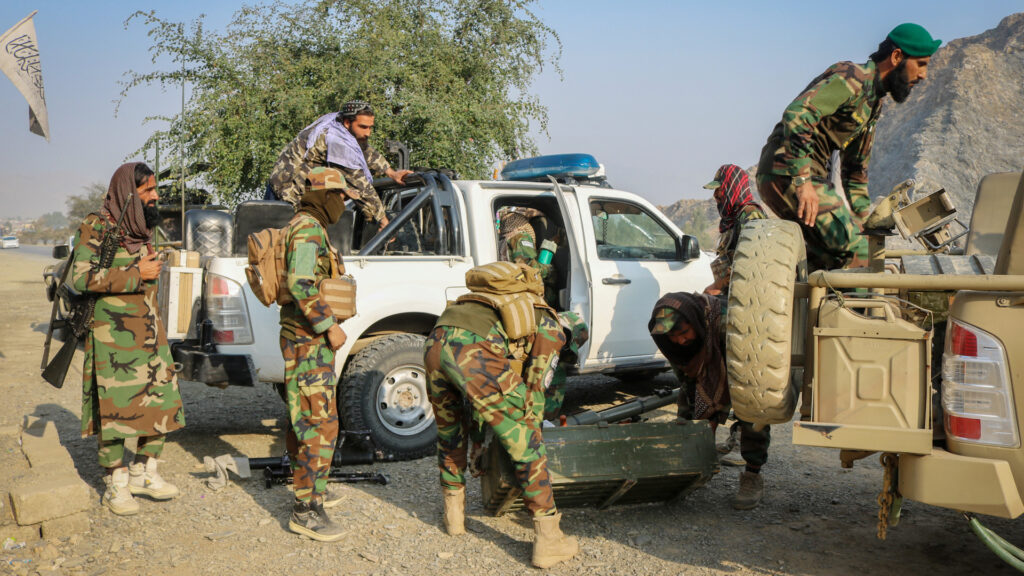
The border region between Pakistan and Afghanistan has long been a site of tension and conflict, with intermittent clashes impacting both nations’ security and stability. Recently, these tensions have escalated significantly, culminating in airstrikes on Kabul and other major cities in Afghanistan by Pakistani forces.
Historically, the Pakistan-Afghanistan border, known as the Durand Line, has been a contentious boundary disputed by Afghanistan since its inception in 1893 during British colonial rule. Pakistan, however, recognizes it as an international border, leading to persistent disputes. The porous nature of this mountainous border facilitates the movement of militants and insurgents, further complicating bilateral relations.
In recent months, the conflict has intensified following a series of militant attacks within Pakistan, attributed by Islamabad to groups operating from safe havens across the Afghan border. Pakistan has accused elements within Afghanistan of harboring and supporting terrorists who target Pakistani military and civilian locations.
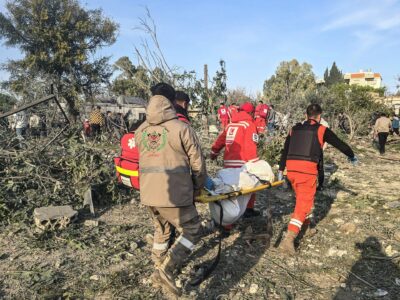
In response, Pakistan launched cross-border strikes targeting what it described as terrorist bases and hideouts in Afghanistan’s eastern provinces. These strikes have included air raids on several Afghan cities, most notably Kabul, generating significant outrage and condemnation from the Afghan government and international community.
The conflict has resulted in casualties on both sides, including civilians, and has escalated diplomatic tensions. Afghanistan denies involvement in attacks inside Pakistan and condemns Pakistan’s military actions as violations of Afghan sovereignty.
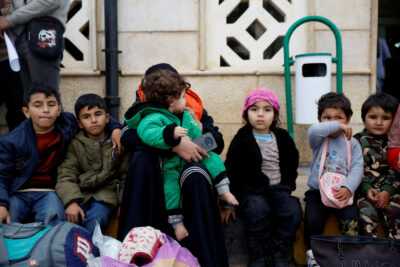
This tit-for-tat cycle demonstrates the deep-seated mistrust and unresolved issues between the two neighbors. The ongoing clashes also exacerbate the humanitarian situation along the border, displacing thousands and straining resources.
International observers and regional powers have called for restraint and dialogue to defuse tensions. The United Nations and neighboring countries have emphasized the importance of respecting territorial integrity and pursuing collaborative counterterrorism efforts.
Despite these warnings, the situation remains volatile, with potential for further escalation if diplomatic channels remain stagnant. The conflict underscores the broader regional challenges involving militancy, border security, and geopolitical rivalry.
In summary, the clashes between Pakistan and Afghanistan along their border, including recent airstrikes on Kabul and other cities by Pakistan, highlight a complex, multi-dimensional conflict rooted in historical disputes, security concerns, and mutual accusations of terrorism support. Resolving these issues necessitates sustained diplomatic engagement, confidence-building measures, and coordinated efforts to address militancy and promote stability in the region.