The perilous journey undertaken by refugees and migrants aiming to reach Europe has once again highlighted the extreme risks faced by these vulnerable populations. Driven by dire circumstances in their home countries, many embark on journeys filled with hope for safety and a better life. However, these hopes are often met with harsh realities, especially when passing through unsafe regions such as Libya.
Libya remains one of the most dangerous hubs for migrants and refugees attempting to cross into Europe. The country’s ongoing conflict and instability have created an environment where armed militias thrive. These groups frequently intercept migrants, subjecting them to various forms of abuse including detention under inhumane conditions, extortion, forced labor, and even torture.
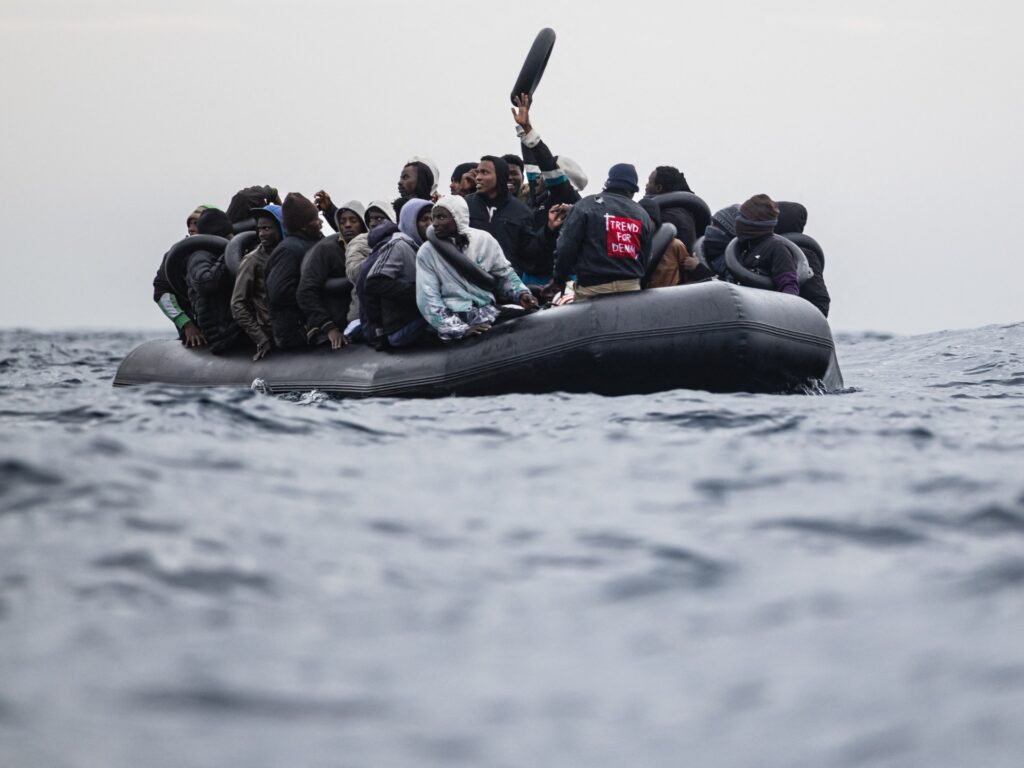
The Mediterranean crossing is notoriously deadly, with thousands losing their lives in shipwrecks each year. Overloaded and unseaworthy vessels are often launched from Libyan shores, carrying hopeful migrants on routes that are monitored by European coastguards but remain fraught with danger.
International organizations, including the United Nations and the International Organization for Migration, continually call for increased protections and safer alternatives for refugees and migrants. Despite international efforts, the enforcement of human rights in Libya remains limited, and the demand for migration routes persists due to ongoing conflict and poverty in originating nations.
European countries face a complex challenge balancing border security and humanitarian obligations. Policies aimed at deterring migration sometimes inadvertently increase risks for migrants by pushing them into the hands of smugglers and traffickers.
Efforts to establish legal pathways for migration and to stabilize conditions in transit countries are crucial. Additionally, increasing awareness and international cooperation are needed to tackle human trafficking networks and to provide adequate support to those who survive these journeys.
Ultimately, the plight of refugees and migrants seeking to reach Europe underscores the broader global challenge of displacement caused by conflict, persecution, and economic hardship. Addressing these root causes is essential to reduce the deadly crossings and to provide lasting solutions for millions of vulnerable people worldwide.