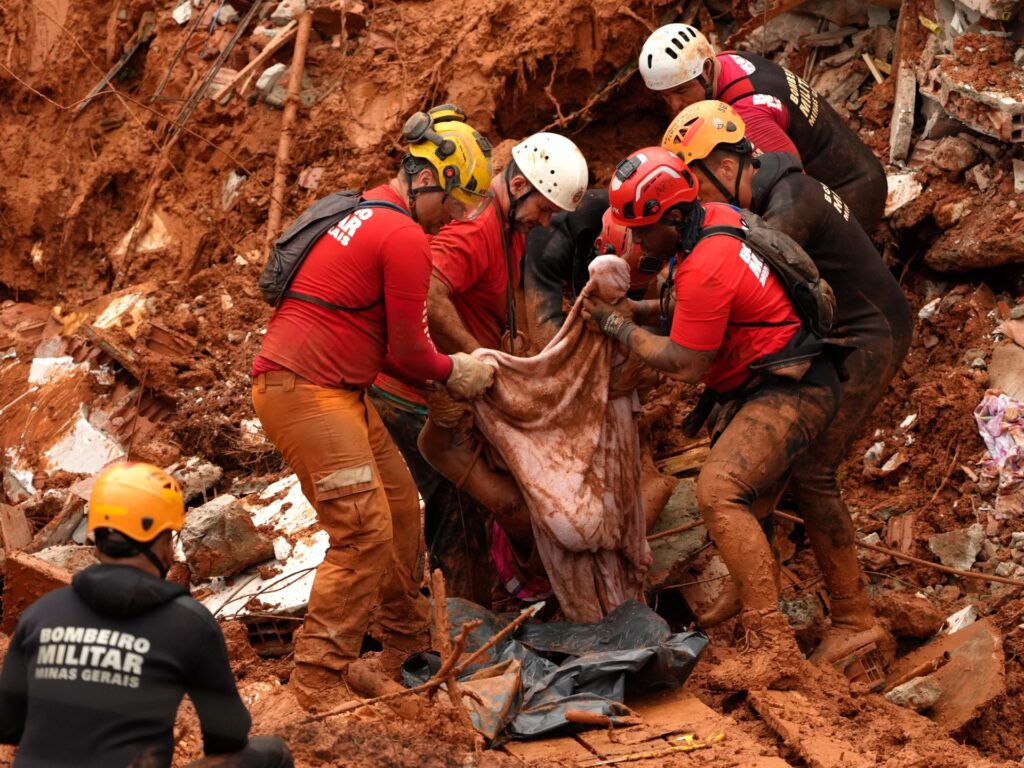
Brazil is grappling with severe flooding and landslides in the Minas Gerais state, where the death toll has tragically risen to 64. These extreme weather events have prompted a massive search and rescue operation as authorities continue to look for missing persons and assess the damage. The government agency responsible for disaster response has warned that more extreme weather conditions are expected in the coming days, potentially exacerbating the already dire situation.
The recent heavy rains have triggered sudden floods and multiple landslides across various municipalities in Minas Gerais, a region known for its lush landscapes and mountainous terrain. The persistent rainfall has overwhelmed rivers and drainage systems, leading to widespread inundation of homes, roads, and critical infrastructure.
Local authorities have issued numerous evacuation orders to safeguard residents in the most vulnerable areas. Emergency shelters have been established to provide refuge for displaced families, and humanitarian aid is being mobilized to supply food, water, and medical assistance.
The state government is coordinating with federal agencies to deploy search teams, including specialized units trained in mountain and water rescues. Despite challenging conditions, rescue workers remain resolute in their efforts to locate survivors amid the debris and flooded zones.
Experts attribute the intensity of the recent weather to broader patterns of climate change, which have increased the frequency and severity of extreme weather events in Brazil and other parts of South America. The government has emphasized the need for enhanced infrastructure and better disaster preparedness to mitigate the impact of such events in the future.
Communities affected by the flooding are facing significant challenges, including loss of homes, disruption of livelihoods, and limited access to essential services. Relief agencies are working tirelessly to support recovery efforts and to assist with the rebuilding process.
In addition to the immediate humanitarian response, local leaders are calling for long-term strategies to address environmental degradation and implement sustainable land management practices. These measures aim to reduce vulnerability to floods and landslides, particularly in ecologically sensitive and high-risk areas.
As search efforts continue, the public is urged to stay informed about weather advisories and to follow safety guidelines issued by authorities. The situation remains fluid, and the potential for further rainfall poses ongoing risks.
This disaster highlights the urgent need for coordinated action to address climate resilience and disaster response in Brazil, ensuring that communities are better prepared and protected against future natural disasters.