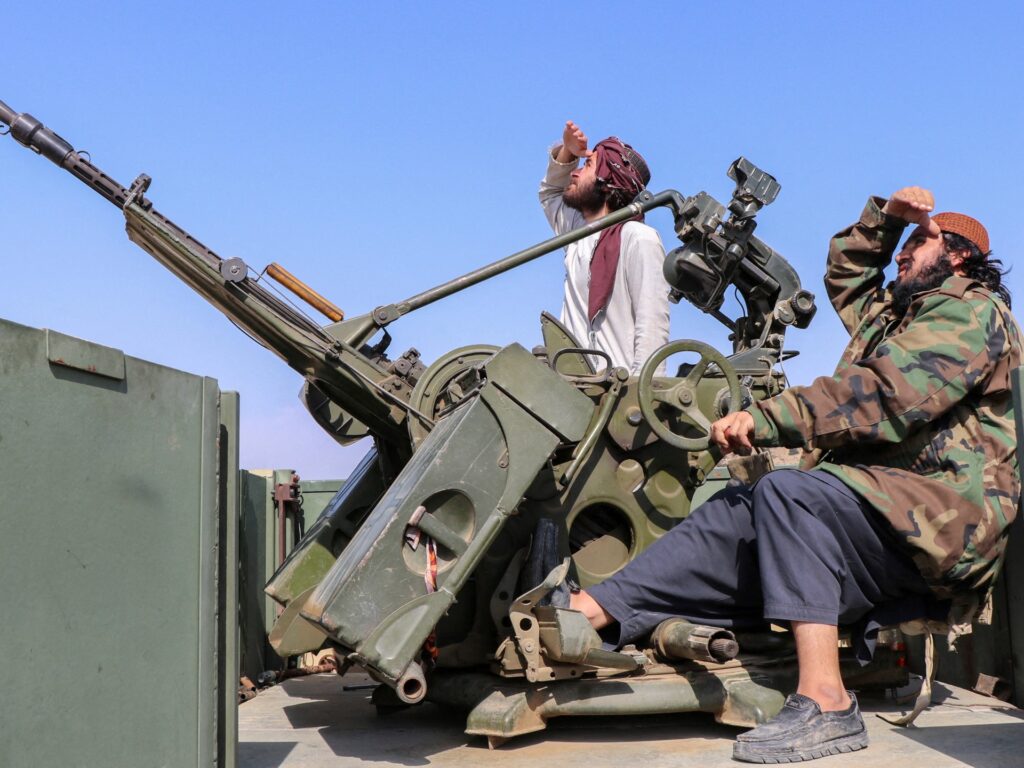
Recent airstrikes targeting Kabul have escalated the already tense situation between Pakistan and the Taliban, pushing the crisis into uncharted territory. Analysts are warning that this escalation might embolden various armed groups across the region, potentially destabilizing not only Afghanistan but also Pakistan.
The air attacks mark a significant intensification in the conflict, reflecting deep-rooted tensions and unresolved issues between the involved parties. Historically, the relationship between Pakistan and the Taliban has been complex, with Pakistan often accused of harboring or supporting Taliban factions, a claim it disputes. However, the recent strikes indicate a shift towards a more confrontational stance.
These developments come amid an already fragile security landscape in Afghanistan, which has struggled to stabilize since the Taliban takeover. The air attacks have further strained the tenuous peace, risking triggering a broader conflict.
Experts fear that the direct military actions could serve as a catalyst for other militant groups to become more active, exploiting the chaos to strengthen their positions. This could lead to increased violence and instability, undermining efforts towards peace and rebuilding.
The impact of such instability would not be confined to Afghanistan’s borders. Pakistan, sharing a long and porous border with Afghanistan, is vulnerable to spillover effects including refugee flows, cross-border militant activities, and heightened internal security challenges. The ongoing turmoil threatens to exacerbate domestic issues within Pakistan such as sectarian violence, terrorism, and political instability.
Diplomatic channels are reportedly strained, with international actors calling for restraint and dialogue. However, the effectiveness of such appeals remains uncertain in the face of escalating hostilities.
The air attacks also highlight the complexity of geopolitical interests in the region, involving not just Pakistan and Afghanistan but other regional and global powers. These external influences add layers of complication, making resolution efforts more challenging.
Looking ahead, the crisis’s trajectory is uncertain. Analysts urge the need for robust diplomatic engagement, confidence-building measures, and inclusive dialogue involving all stakeholders to prevent further deterioration.
If unchecked, the escalation risks reversing progress made in the past decade towards stability and peace in the region, with profound humanitarian and security consequences. The international community’s response will be crucial in determining whether the conflict spirals further or moves towards a peaceful resolution.
In conclusion, the recent air attacks on Kabul represent a critical juncture in the Pakistan-Taliban conflict, pushing it into new and dangerous territory. The potential for increased violence and regional instability underscores the urgency for concerted diplomatic efforts to address the underlying issues and prevent a broader crisis.