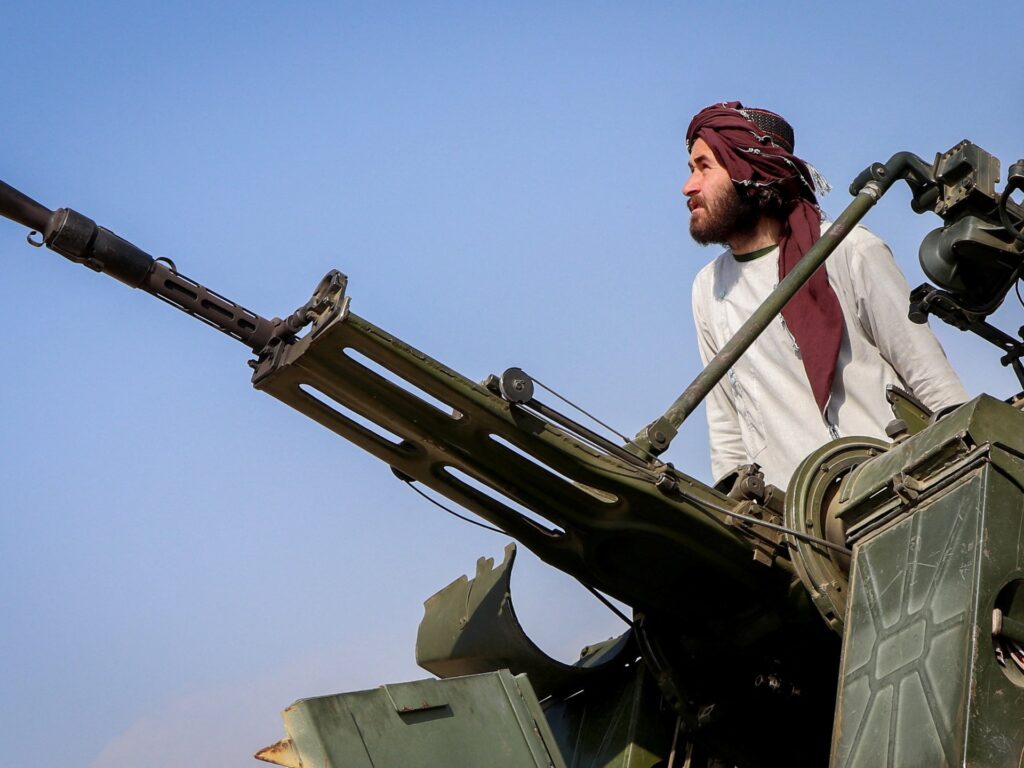
Tensions between Afghanistan’s Taliban and Pakistan have escalated dramatically following recent air strikes and ensuing ground clashes, with both sides claiming significant losses. In a notable shift amid the ongoing hostilities, the Taliban have publicly expressed their readiness to engage in negotiation talks with Pakistan’s government.
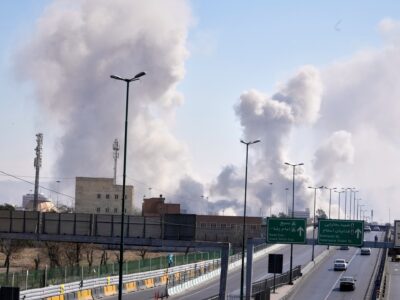
The center of the conflict erupted when Pakistan launched air strikes against what it describes as militant strongholds within Afghan territory, targeting major cities in a bid to quell cross-border attacks. These strikes have intensified the conflict, leading to fierce fighting along the border regions. Both Afghanistan’s Taliban and Pakistani forces have asserted inflicting heavy casualties on one another, intensifying the climate of tension and instability in the region.
The Taliban, who currently control Afghanistan, made a statement indicating their leaders are prepared to initiate direct talks with Pakistan. This move is seen by experts as an attempt to de-escalate the violent confrontations that have heightened regional security concerns and disrupted civilian life.
Cross-border violence between Pakistan and Afghanistan has been a longstanding issue, largely due to the presence of militant groups operating in the porous border areas. Pakistan has often accused the Taliban of harboring or tolerating insurgent groups that stage attacks inside Pakistani territory. Meanwhile, the Taliban have condemned Pakistan’s military actions as infringements on Afghan sovereignty.
The declared willingness to negotiate could signal a potential breakthrough in one of South Asia’s most volatile relationships. However, analysts caution that the road to peace will be complicated given the deep mistrust and strategic interests involved on both sides.
International actors have also been monitoring the situation closely, urging both parties to avoid further escalation. The United Nations and regional stakeholders have repeatedly called for peaceful dialogue and respect for borders to maintain stability.
The ongoing conflict has had a severe humanitarian impact, displacing numerous civilians and damaging critical infrastructure in both countries. Economic repercussions are also significant, with trade disruptions and increased security expenditures adding pressure to already fragile economies.
As the Taliban express openness to talks, the coming weeks will be crucial in determining whether this diplomatic overture can translate into concrete negotiation efforts and, ultimately, a de-escalation of tensions. The international community remains hopeful that peaceful resolutions can be reached to ensure lasting stability and security in the region.
This development marks an important moment in Afghanistan-Pakistan relations, where decades of conflict and mistrust could potentially give way to dialogue and cooperation, paving the way for improved peace prospects in South Asia.