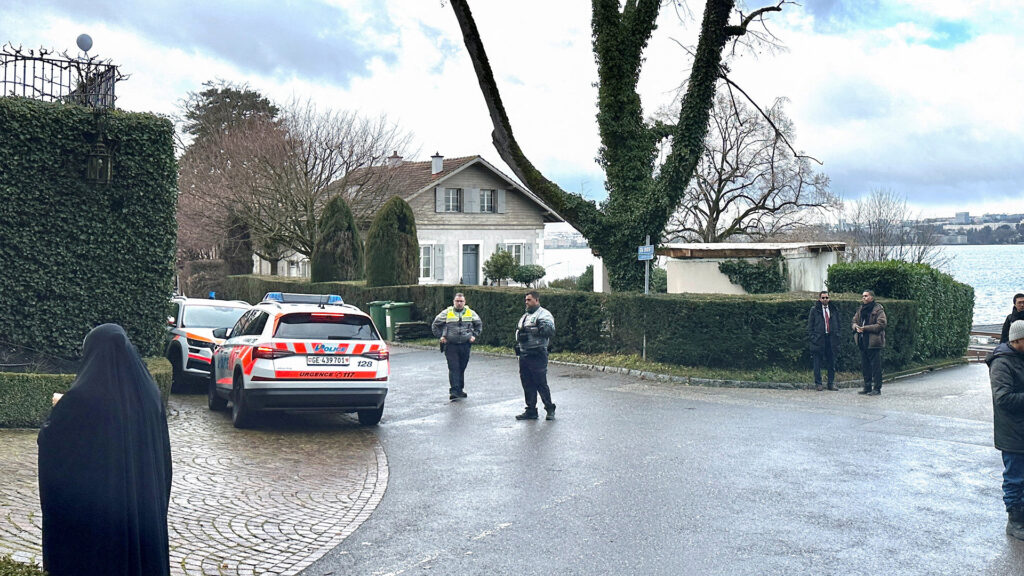
Negotiators from Iran and the United States are currently engaged in the third round of indirect nuclear talks in Geneva, Switzerland. These discussions are part of ongoing efforts to address tensions surrounding Iran’s nuclear program and to potentially revive a landmark nuclear deal, formally known as the Joint Comprehensive Plan of Action (JCPOA). The talks are indirect, meaning that American and Iranian representatives are not meeting face to face but are instead communicating through intermediaries, as diplomatic relations between the two countries remain strained. The primary focus of the negotiations is to find common ground on key issues such as Iran’s uranium enrichment levels, lifting of economic sanctions, and verification mechanisms to ensure compliance. Observers view the Geneva talks as a critical step forward, offering a chance to reduce longstanding hostilities and prevent further escalation in the Middle East. However, the complexity of the negotiations means that a breakthrough is not guaranteed, with both sides facing domestic political pressures that complicate the dialogue. International stakeholders, including European countries involved in the original JCPOA, continue to support these efforts, emphasizing the importance of a peaceful resolution. The outcome of these talks could have significant implications for regional security, global non-proliferation efforts, and the strategic balance of power. As the negotiations progress, diplomats remain cautiously optimistic but warn that persistent challenges could prolong the process. The world watches closely, hopeful that diplomacy will prevail over conflict in this critical geopolitical issue.