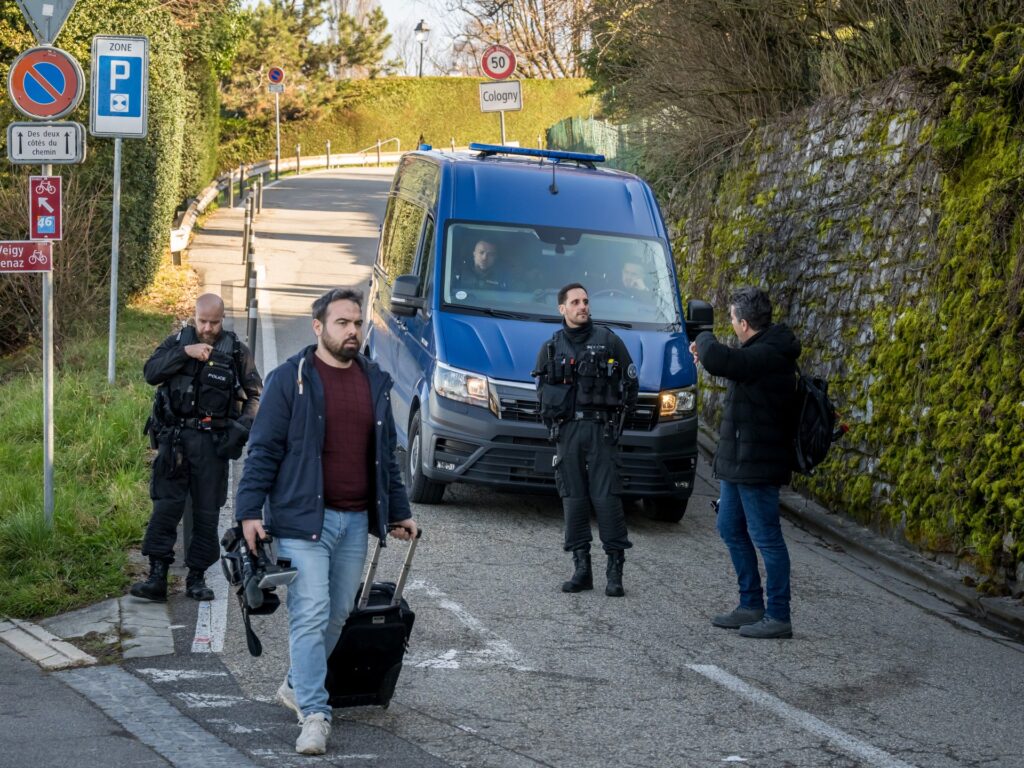
The recent US-Iran talks held in Vienna have come to an end with both parties asserting that progress was made, yet few concrete details have emerged. The discussions, largely technical in nature, are slated to continue as diplomats work to bridge gaps on critical issues. While officials from both sides express cautious optimism, it remains uncertain whether the two nations can resolve their longstanding differences to prevent further escalation, including the potential risk of armed conflict.
The negotiations are part of ongoing efforts to revive a stalled nuclear agreement, with the international community closely monitoring developments. The talks addressed complex subjects such as nuclear program limitations, inspection protocols, and sanctions relief, but major sticking points remain. Participants have not disclosed specific breakthroughs, maintaining a general atmosphere of discretion and diplomacy.
Experts point out that while the return to the negotiating table is a positive sign, the path ahead is fraught with challenges. Political pressures within both countries, regional dynamics, and mutual distrust complicate the process. The continuation of technical discussions indicates a willingness to engage, but the ultimate resolution depends on significant compromises.
The global community watches anxiously, recognizing that failure to reach a sustainable agreement could have severe implications, including heightened tensions in the Middle East and beyond. Diplomats emphasize the importance of dialogue and de-escalation to avoid the devastating consequences of war.
As negotiations proceed, stakeholders hope that the groundwork laid will lead to substantive agreements in future sessions. The complexity of the issues at hand necessitates careful deliberation and patience, with the goal of achieving a durable peace and security framework.