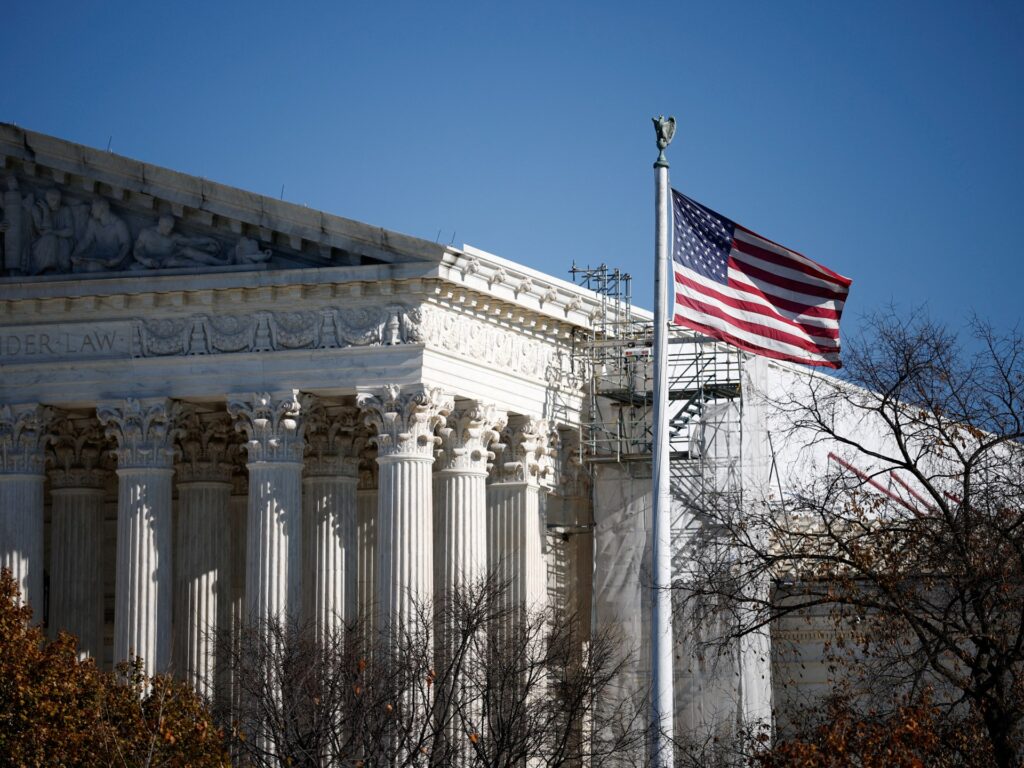
The United States government has formally requested the Supreme Court to permit the deportation of Syrian migrants who are currently under Temporary Protected Status (TPS). This significant move comes amid ongoing debates regarding the safety and security conditions in Syria, as well as the broader immigration policies under the current administration.
Temporary Protected Status is a humanitarian provision that allows individuals from designated countries experiencing ongoing armed conflict, environmental disaster, or other extraordinary conditions to remain in the U.S. temporarily. Syrians were granted TPS following the outbreak of civil war and persistent instability in their home country.
However, the Trump administration has been actively pushing to revoke TPS designations for various countries, including Syria. Officials argue that enough time has passed, and conditions in Syria have improved to the extent that it no longer qualifies for such protections. The administration contends that migrants should return to their home country once it is deemed safe.
In a recent filing, the US government emphasized that the security and political landscape in Syria has evolved, suggesting that deporting Syrian nationals currently benefiting from TPS is warranted. This stance has sparked considerable controversy and concern among immigration advocates and human rights organizations.
Critics argue that returning Syrians to their home country could place them at significant risk due to ongoing conflict zones, persecution, and the unstable political climate. They also highlight the challenges migrants face in reintegration and safety upon return. Furthermore, some legal experts question whether the administration’s assessment of Syria’s current state accurately reflects ground realities or if it is motivated by a broader agenda to limit immigration.
The case now before the Supreme Court represents a critical juncture for US immigration policy and humanitarian law. Should the court side with the government, it could lead to the deportation of thousands of Syrians who have established lives in the United States under TPS protections.
Supporters of the administration’s position assert that ending TPS designations aligns with immigration laws and respects national sovereignty by encouraging migrants to return when safe. They argue that the United States cannot provide indefinite refuge and that countries must eventually address their own internal conflicts.
In response to these developments, Syrian migrant communities and advocacy groups have rallied to raise awareness and lobby against the termination of TPS. They point to ongoing violence, economic collapse, and political instability in Syria as evidence that it remains unsafe for returnees.
Legal battles are expected to continue as lower courts weigh in on preliminary injunctions and appeals linked to TPS designations. The Supreme Court’s eventual ruling may set a precedent for how the US handles Temporary Protected Status in the future, impacting not only Syrians but migrants from various other countries facing crises.
Beyond legal proceedings, this issue also underscores the broader tensions in US immigration policy between security concerns, humanitarian obligations, and international relations. It raises questions about the role of TPS and how it fits into America’s historical commitment to aid those fleeing danger.
As the debate unfolds, stakeholders from families of migrants to policymakers across the spectrum watch closely, recognizing that the Supreme Court’s decision will reverberate widely both domestically and internationally. The outcome could redefine America’s approach to protecting vulnerable populations amid global conflicts.
In the meantime, Syrian families currently living under the protection of TPS face uncertainty about their futures. Many have integrated into American society, contributing to local communities, economies, and cultural life. Deportation would not only disrupt countless lives but also pose profound ethical and humanitarian dilemmas.
Overall, the US government’s appeal to the Supreme Court to permit the deportation of Syrian migrants signals a pivotal moment in the handling of Temporary Protected Status policies. As the highest court deliberates, the nation grapples with balancing compassion, law, and national interests in an era marked by complex geopolitical challenges.