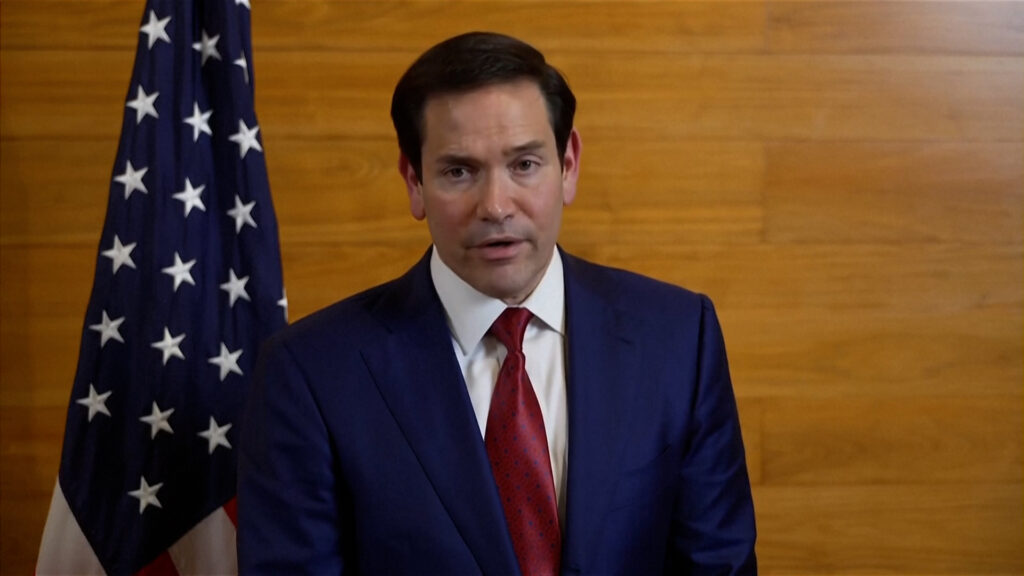
In the lead-up to critical diplomatic engagements between the United States and Iran, US Secretary of State Marco Rubio has issued a stark warning regarding Iran’s missile capabilities. Rubio highlighted that Iran possesses a significant arsenal of ballistic missiles, which he described as a clear threat to US security interests.
The comments come at a time when international attention is focused on the ongoing efforts to navigate the complex relationship between the two nations, particularly concerning Iran’s nuclear program and regional influence. Rubio’s warning underscores the persistent challenges in addressing Iran’s military capabilities amid attempts to reach diplomatic solutions.
Iran’s ballistic missile program has been a source of concern for the US and its allies for years. The missiles, capable of delivering various warheads over considerable distances, amplify the strategic threat posed by Tehran to both regional neighbors and global powers.
By raising this issue ahead of the talks, Rubio aims to place greater emphasis on the need for stringent measures to mitigate the missile threat. His statements suggest that any potential agreements or negotiations will need to factor in not just Iran’s nuclear activities but also its conventional and strategic missile programs.
Experts note that Iran’s missile capabilities have been advancing steadily, with tests showcasing enhanced range and precision. This progression complicates diplomatic efforts, as it adds another layer of military capability that must be addressed alongside nuclear compliance.
The upcoming US-Iran discussions are expected to cover a broad range of issues, but the missile threat stands out as a critical security concern for the US. The strategic calculus involves balancing the desire for peaceful resolution with the imperative to prevent further militarization by Iran.
Rubio’s remarks also reflect wider concerns within the US government and allied nations about Iran’s regional activities, including its support for proxy groups and involvement in conflicts across the Middle East. The missile threat is intertwined with these activities, representing an extension of Iran’s assertive defense posture.
As the talks approach, the international community will be watching closely to see if a framework can be established that addresses the multifaceted threats posed by Iran, including ballistic missiles. The success of these talks could influence regional stability and the future trajectory of US-Iran relations.
In summary, Rubio’s warning highlights the urgent need to confront Iran’s ballistic missile capabilities within the broader context of diplomatic negotiations. The missile threat is a significant hurdle that must be overcome to ensure a lasting and effective agreement between the US and Iran, contributing to global security efforts.