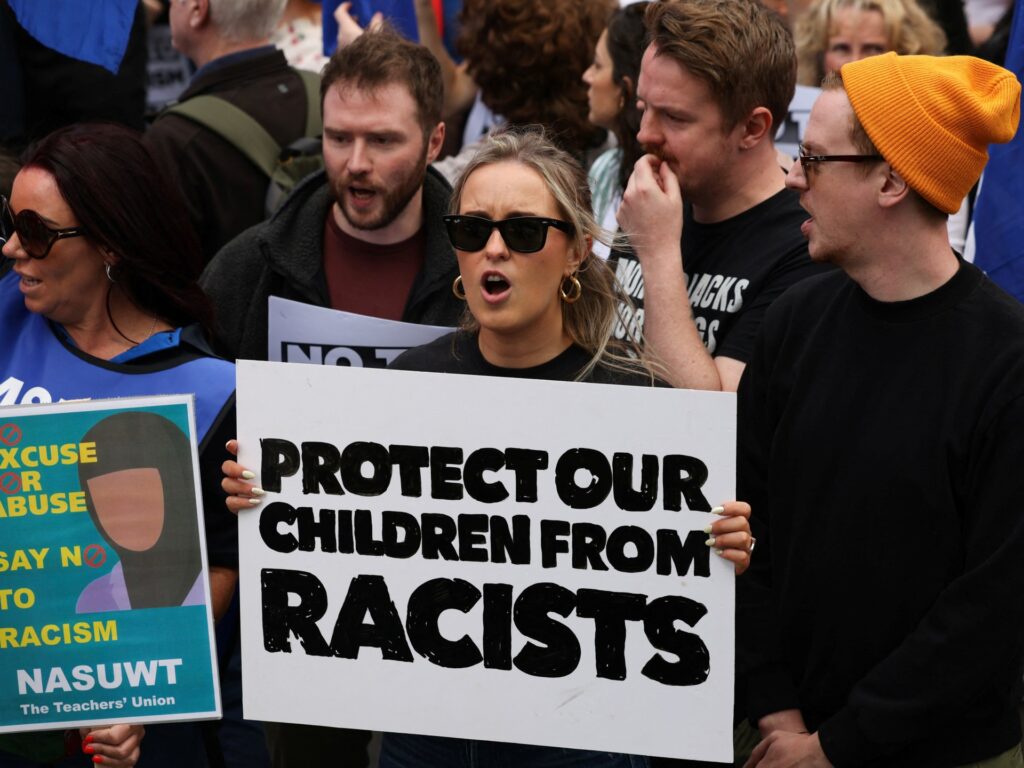
In recent times, the United Kingdom has witnessed a disturbing surge in far-right attacks, marked by violent assaults on mosques and racially motivated abuse directed at children from ethnic minority backgrounds. This alarming trend reflects a broader societal shift where hatred and extremist views are becoming increasingly normalized, posing significant challenges to community safety and social cohesion.
One of the most concerning aspects of these developments is the targeting of religious sites, particularly mosques, which serve as important centers for worship and community gathering for many British Muslims. Attacks on these sacred places not only threaten physical safety but also instill fear and insecurity among Muslim communities, undermining their sense of belonging and acceptance within the wider society.
In parallel, there has been a marked increase in racially charged abuse against children from ethnic minorities. These incidents often occur in public spaces, schools, and even on social media platforms, deeply affecting the young victims’ mental health and well-being. Such abuse not only disrupts their educational experience but also sows seeds of division and mistrust among different community groups.
Experts and community leaders cite the rise of far-right ideology, fueled by political rhetoric and social media disinformation, as a key driver behind this wave of hate crimes. The normalization of extremist language has lowered societal barriers against expressing racial and religious intolerance publicly.
Ethnic minorities, in response to these threats, are becoming hypervigilant, taking extra precautions to protect themselves and their families. This heightened state of alert, while necessary, can lead to increased anxiety and social withdrawal, further fracturing community relations.
Law enforcement agencies and government officials have condemned these attacks and pledged to strengthen measures against hate crimes. Initiatives include increased surveillance of known extremist groups, public awareness campaigns to promote tolerance, and community-based programs aimed at fostering dialogue and understanding across cultural divides.
Despite these efforts, many community members call for more sustained and robust actions to address the root causes of hate and to create safe environments for all citizens. They emphasize the importance of education and inclusive policies to combat prejudice and build resilient societies.
The rise in far-right violence and abuse in the UK highlights urgent needs for collective action among policymakers, civil society, and the public. Protecting places of worship, supporting victims, challenging hateful narratives, and promoting empathy and inclusion are critical steps to counteract this dangerous trend.
In summary, the recent spate of attacks on mosques and racially motivated abuse of children from ethnic minorities underscores the disturbing normalization of hatred in the UK. Effective responses require unified efforts to safeguard vulnerable communities and promote a culture of respect and coexistence. As these challenges grow, the resilience and solidarity of the nation’s diverse population will be key to overcoming the divisions sown by extremism.