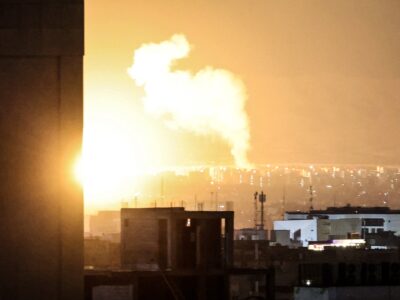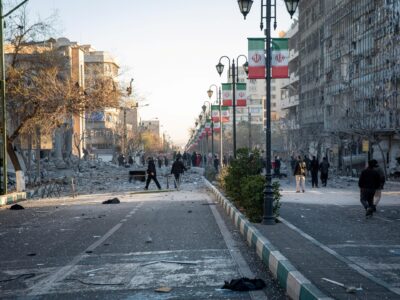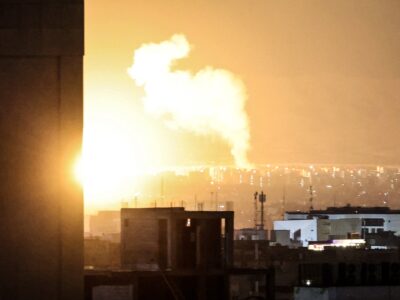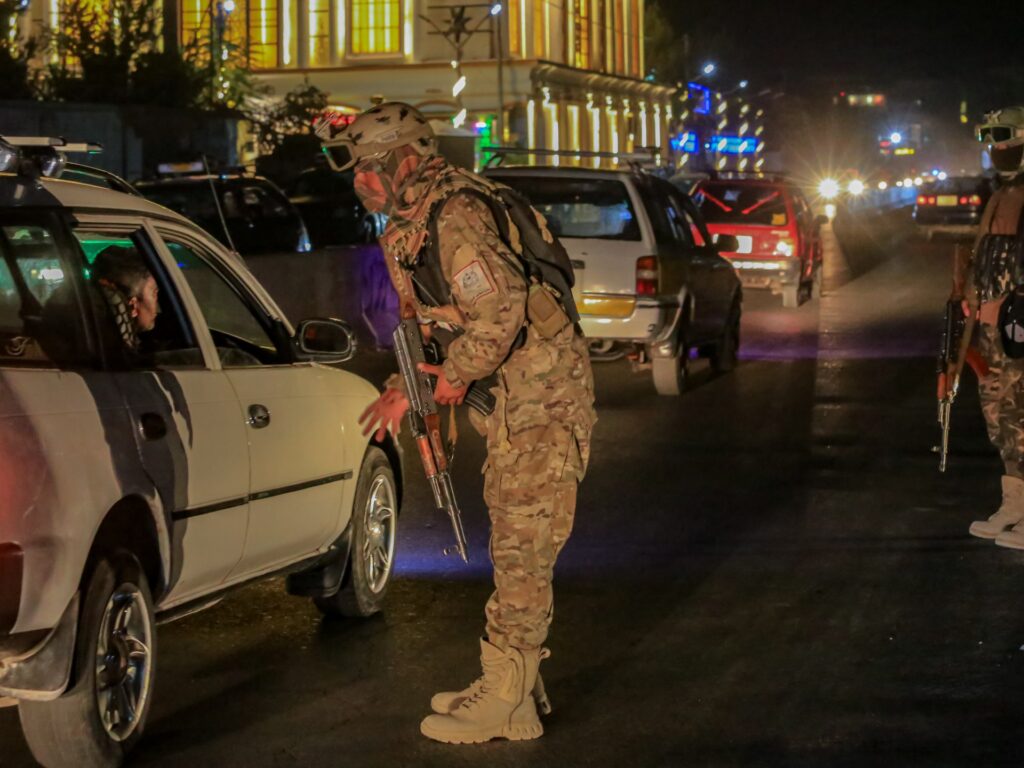
In a significant escalation of regional tensions, Pakistan has announced that its patience has run out, launching a series of airstrikes targeting Taliban positions across Afghanistan. According to Al Jazeera’s correspondent reporting from Kabul, the the capital city was rocked by explosions and heavy anti-aircraft fire, marking one of the most intense days of conflict in recent times.
The decision by Pakistan to conduct these bombings comes amid growing concerns over cross-border attacks and the Taliban’s increasing influence within Afghanistan. Pakistani military sources have confirmed that the air operations were aimed at dismantling militant hideouts believed to be launching points for insurgent activities against Pakistan.
Residents of Kabul reported hearing multiple blasts and witnessing fire exchanges between Afghan defensive units and Pakistani aircraft, highlighting the volatility of the current security situation. The Afghan government has condemned the actions, calling for immediate dialogue and restraint to prevent further escalation.
This move underscores the deepening conflict dynamics in the region, where longstanding issues of border control, militant insurgency, and political instability continue to pose severe challenges to peace and security.
Analysts suggest that Pakistan’s actions reflect its growing frustration with what it sees as Afghanistan’s inability or unwillingness to rein in Taliban militants who allegedly carry out attacks in Pakistan. The cross-border tension could potentially draw in regional players and complicate international efforts aimed at stabilizing Afghanistan.
Local civilians have expressed fear and concern over the intensification of hostilities, with many caught in the crossfire and facing disruptions to daily life. Humanitarian organizations have warned of the growing risk of civilian casualties and the need for urgent assistance to affected populations.
The international community has responded with calls for de-escalation. The United Nations and various countries urged both Pakistan and Afghanistan to engage in constructive dialogue and uphold commitments to regional stability.
This latest development adds a complex layer to the already fragile geopolitical landscape of South Asia. It raises questions about the future trajectory of the Afghan conflict and Pakistan’s role in addressing security threats emanating from its neighbor.
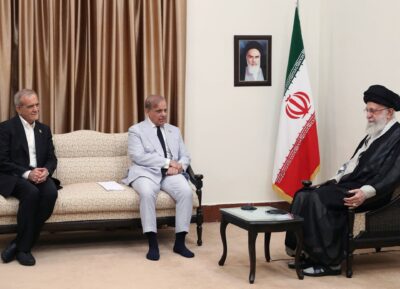
Meanwhile, diplomatic channels remain active as efforts continue to mediate a resolution that prevents further military confrontation. The situation on the ground remains fluid, with ongoing reports of clashes and the potential for increased military activity.
As Pakistan asserts a more aggressive stance against the Taliban, the coming days will be critical in determining whether this escalation leads to broader conflict or a new push towards peaceful negotiation.