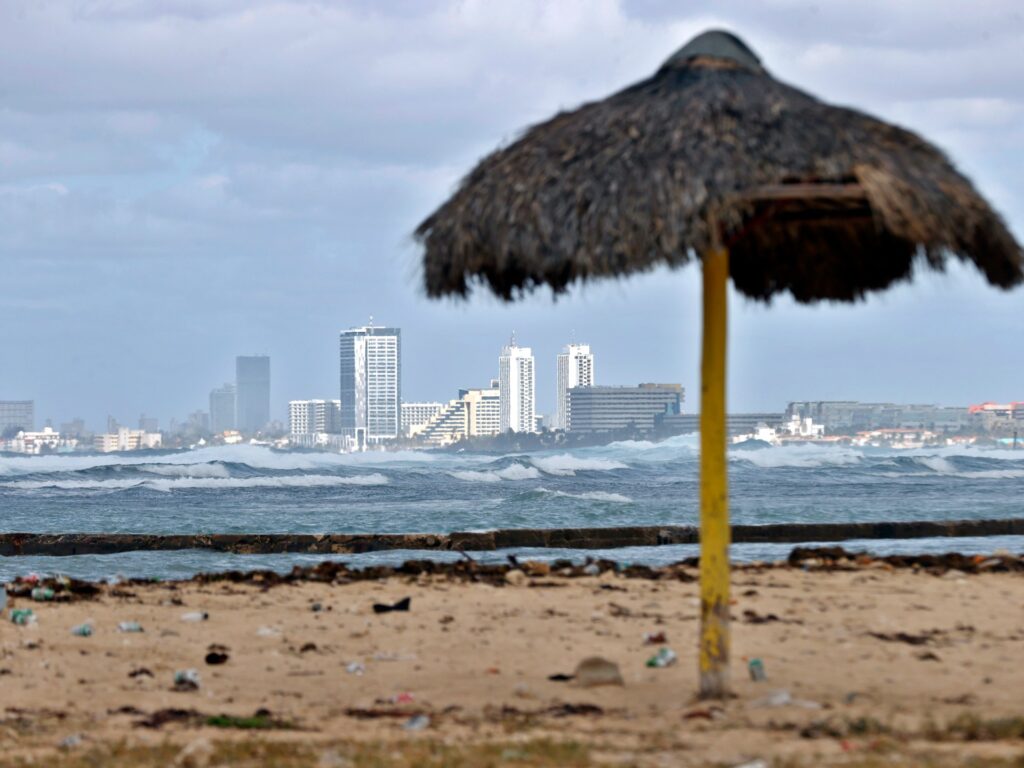
In a tragic and tense incident, Cuban border agents opened fire on a speedboat registered in Florida, leading to the death of four individuals. The Cuban Interior Ministry issued a statement following the event, asserting the country’s right to protect its territorial waters. This incident highlights ongoing tensions and strict enforcement practices in the area surrounding Cuba’s maritime boundaries.
According to official reports, the speedboat in question was identified as a Florida-tagged vessel, which approached Cuban territorial waters under circumstances that prompted the Cuban authorities to respond forcefully. The ministry’s statement reinforced their position on safeguarding national sovereignty, emphasizing the importance of securing their maritime borders against unauthorized incursions.
The firing upon the speedboat resulted in casualties, with four people confirmed dead. The identities and backgrounds of the deceased have not been disclosed publicly, as investigations are ongoing to determine the full sequence of events. The tragedy marks a significant escalation in border-related incidents, raising concerns about maritime security and the risks involved in unauthorized sea crossings.
Cuban authorities maintain that their actions were a necessary measure to assert control over their territorial waters and to prevent illegal activities, including smuggling or attempts at unauthorized entry. The government is likely to review the incident in the broader context of its national security policies.
This incident may have implications for diplomatic relations between Cuba and the United States, given the Florida registration of the boat and the historical complexities in their bilateral interactions. Both nations may be expected to engage in dialogue to address the circumstances surrounding the event and to prevent similar occurrences in the future.
The Cuban Interior Ministry’s strong stance serves as a reminder of the delicate balance between national security and humanitarian concerns, particularly in maritime border zones where high-stakes decisions can lead to loss of life. It underscores the challenges governments face in managing maritime borders while dealing with the migratory pressures and security threats in such critical areas.
Efforts to manage maritime security effectively often involve coordinated international cooperation, and this incident could prompt renewed discussions on how neighboring countries can work together to ensure safety, law enforcement, and respect for human rights in disputed waters.
As investigations continue, the global community watches closely, concerned about the human cost and the potential for escalating tensions in a region fraught with historical, political, and social complexities.