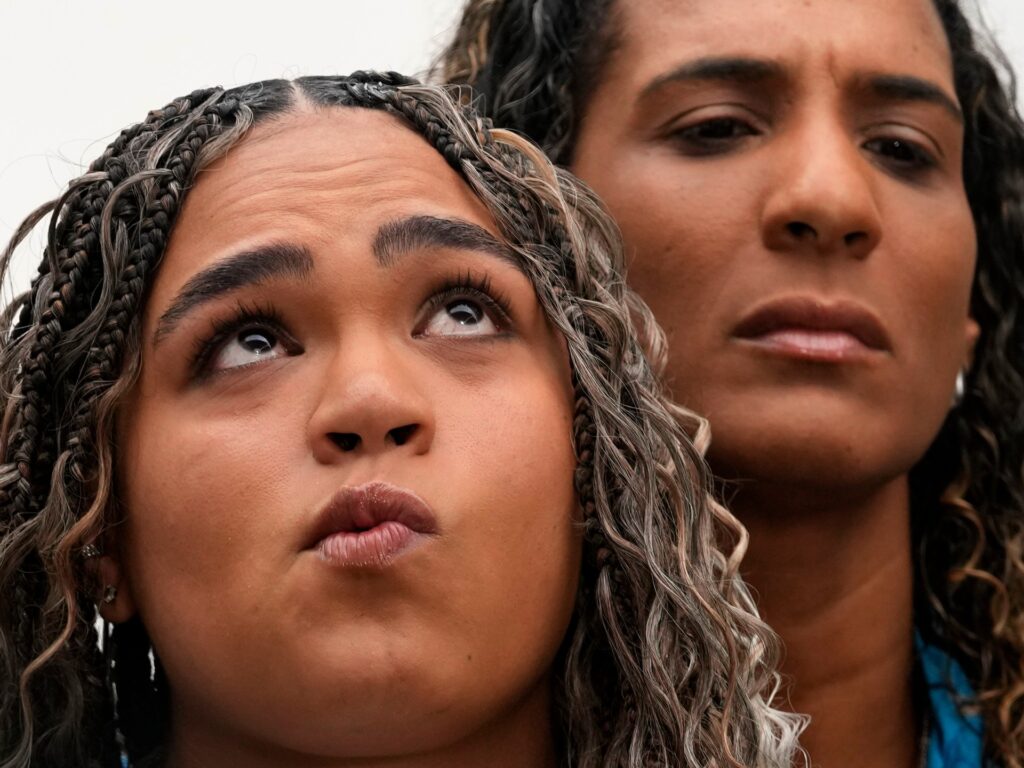
The Supreme Court of Brazil has delivered significant judicial decisions imposing steep sentences related to the murder of Marielle Franco, a prominent human rights activist and city councilor in Rio de Janeiro. Franco’s assassination in 2018 sent shockwaves throughout Brazil and the international community, highlighting the perils faced by activists and the ongoing issues of political violence and corruption within the country.
Marielle Franco was a fierce advocate for marginalized communities, fighting against police brutality, racial injustices, and social inequality. Her murder was not just a tragedy of a life cut short but a wake-up call drawing attention to the broader systemic challenges Brazil faces regarding political violence and impunity.
The court ruled on several individuals implicated in the case, handing down lengthy prison sentences. These judgments represent one of the most significant actions by Brazil’s judiciary in addressing violence against activists and serve as a symbolic victory for justice and accountability in the country.
Experts note that Franco’s murder raised pressing questions about the entanglement of organized crime, political corruption, and human rights violations. The strong judicial response is seen as a pivotal moment for Brazil’s legal and political systems, emphasizing the need for protection of activists and reform of security institutions.
The Supreme Court’s decision sends a powerful message emphasizing zero tolerance for violence targeting those who speak out against corruption and injustice. It also underscores the enduring challenge Brazil faces in reconciling its democratic ideals with the realities of political repression and violence.
Marielle Franco’s legacy continues to inspire human rights movements both within Brazil and globally. Her advocacy for vulnerable populations and her commitment to justice epitomize the struggle for dignity and equality.
Following the sentencing, civil society organizations have praised the court for its firm stance while cautioning that this is only one step in a longer process of institutional reforms necessary to curb political violence and promote transparency.
Brazilian government officials have reiterated their commitment to improving the rule of law and safeguarding activists, though critics contend that systemic change remains elusive and that deep-seated issues of corruption still undermine progress.
Overall, the sentencing in Marielle Franco’s murder case marks a crucial judicial milestone. It acknowledges the deep-rooted problems embedded in Brazil’s political fabric while opening a dialogue on protecting human rights defenders.
The international community has also welcomed the development, seeing it as a benchmark for justice and an example for other nations grappling with similar challenges of political violence and corruption.
In conclusion, the Supreme Court’s action in the Marielle Franco case provides a sense of justice to her family and supporters, while calling for sustained efforts in combating impunity in Brazil. It serves as a reminder that the fight for human rights and democracy requires vigilant, ongoing commitment from all sectors of society.