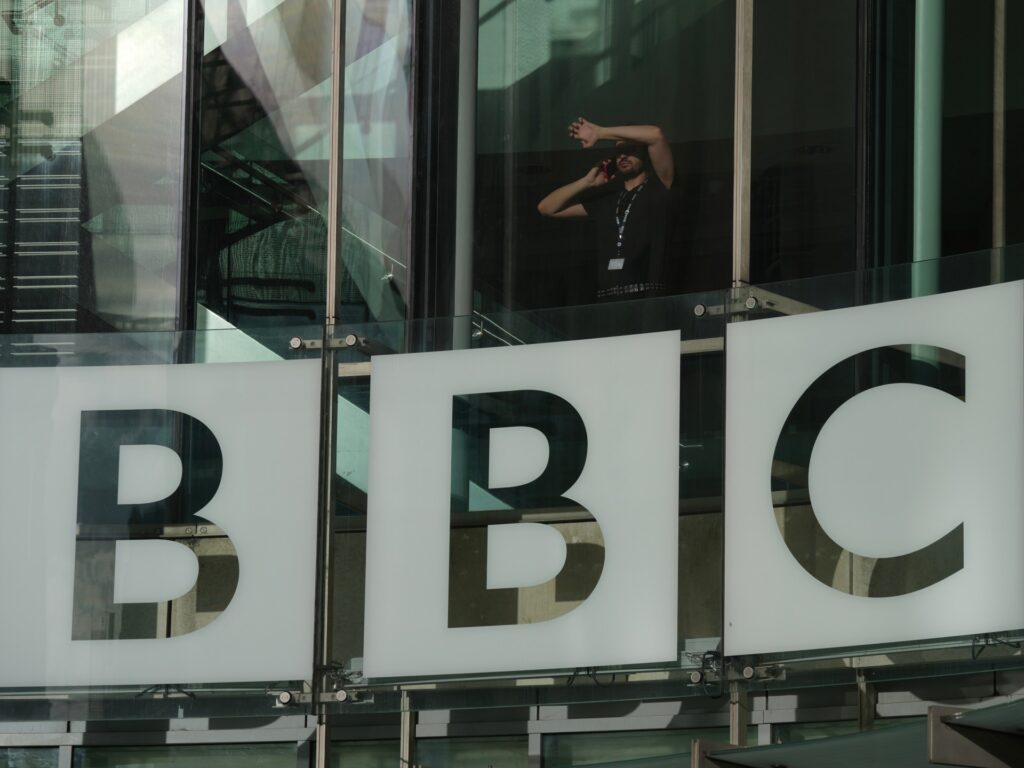
The British Broadcasting Corporation (BBC) has launched a rapid investigation following an incident during the broadcast of a BAFTA event where a racial slur was inadvertently aired. The offensive term was shouted by a guest with Tourette syndrome, a neurological condition characterized by involuntary tics and vocal outbursts. Despite the guest’s condition, the failure to edit out the slur before airing has sparked considerable public backlash and criticism.
The BBC has issued a formal apology expressing regret for not removing the offensive language from the broadcast. The apology acknowledged the seriousness of the incident and committed to ensuring such errors do not occur in future broadcasts. The broadcaster emphasized its dedication to respectful and inclusive programming.
The incident occurred during the coverage of the BAFTA awards, a prestigious event honoring excellence in film and television. Viewers expressed their concerns on social media platforms, questioning the editorial oversight and the sensitivity of live broadcast management.
Experts in broadcast standards noted that while medical conditions like Tourette’s can result in involuntary utterances, broadcasters carry the responsibility to exercise vigilance in content editing and audience protection. The BBC’s quick response to investigate the incident reflects the organization’s awareness of the importance of cultural sensitivity and regulatory compliance.
The investigation will focus on understanding how the slur was missed during the editing and airing process and will consider improvements in live broadcast protocols and delay mechanisms. The BBC has pledged transparency throughout the review process and will engage with advocacy groups to support audiences impacted by the broadcast.
This event has reignited discussions on how broadcasters handle live content, the challenges posed by neurological conditions such as Tourette syndrome, and the balance between free expression and protecting audiences from offensive material. The BBC’s actions may set a precedent for addressing similar incidents in the future.
Moving forward, the corporation plans to enhance training for production teams to better recognize and manage sensitive content. Additionally, the incident has sparked broader conversations within the media industry about the importance of inclusive practices and respecting the complexities of individual health conditions while maintaining editorial standards.
The BAFTA organization has stated its commitment to upholding values of diversity and inclusion and expects broadcasters covering the event to adhere to the highest ethical guidelines. Meanwhile, the affected guest and advocacy groups have emphasized the need for greater understanding and accommodations for individuals with Tourette syndrome without compromising respectful communication standards.
In conclusion, the BBC’s prompt apology and investigation underscore the critical need for media organizations to balance inclusivity, sensitivity, and professionalism in all broadcasts. The situation serves as a powerful reminder of the ongoing challenges in live media production and the vital role of editorial oversight to protect viewers and uphold societal values.