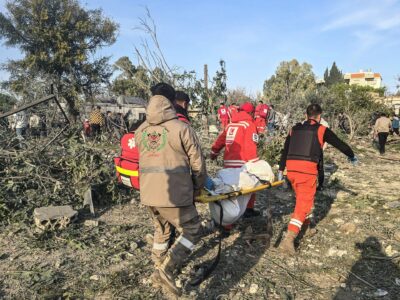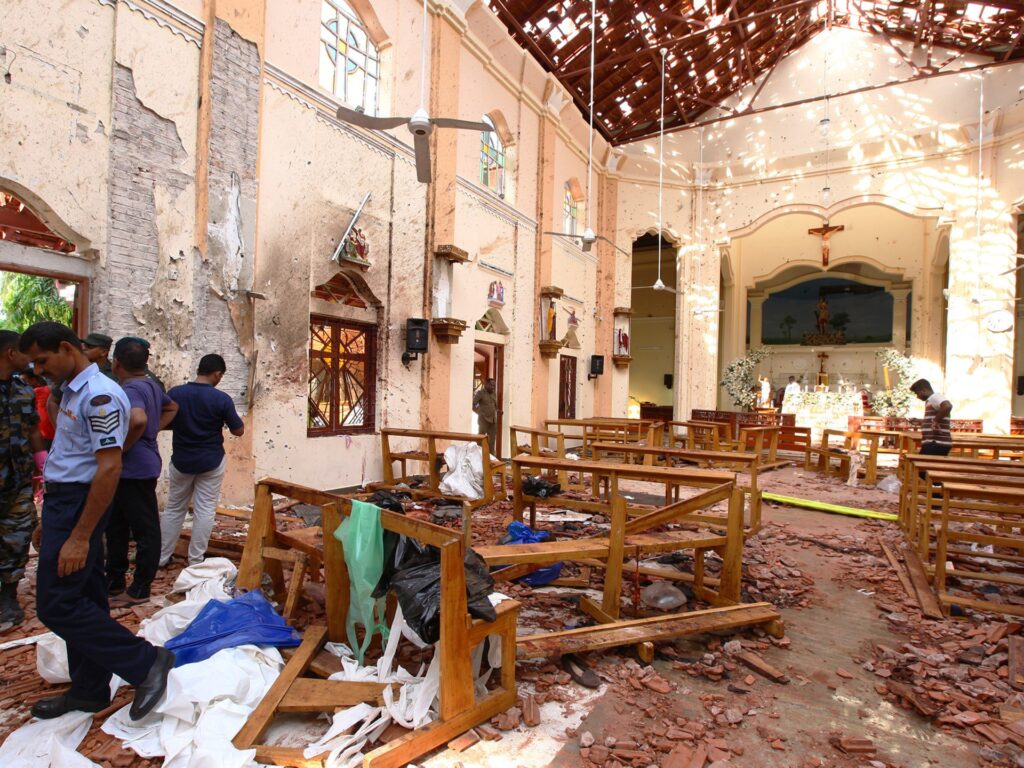
In a significant development related to the tragic events of Easter Sunday 2019 in Sri Lanka, Suresh Sallay, the country’s former intelligence chief, has been arrested. Authorities allege that Sallay aided and conspired in the attacks that killed nearly 300 people and left hundreds injured.
The Easter Sunday attacks, carried out by coordinated suicide bombers targeting churches and luxury hotels, stunned Sri Lanka and the world, prompting extensive investigations into security lapses and intelligence failures.
Suresh Sallay, who was responsible for leading Sri Lanka’s intelligence apparatus at the time, is now under scrutiny for his alleged involvement. Investigators claim that he either failed to act on warning signs or actively conspired with the extremist group behind the attacks.
The arrest comes after years of criticism regarding the handling of intelligence and security protocols before the attacks. It has been a complex legal and political issue, with calls for accountability at the highest levels of the state.
The justice ministry and police officials have stated that the arrest is part of a broader effort to ensure justice for the victims and to prevent similar lapses in the future. They have promised a thorough investigation and transparent judicial process.
This move also reflects the ongoing tensions in Sri Lanka around ethnic and religious issues, which have been exacerbated by the 2019 bombings. The country continues to grapple with reconciliation and security reforms.
International reactions have acknowledged the importance of holding individuals accountable in the pursuit of truth and justice. However, some rights groups have cautioned about the need for due process and fair trial norms.
The arrested former intelligence chief’s role and the details of his involvement will be closely examined in the coming weeks as the judicial proceedings unfold. This could potentially lead to further revelations about the internal dynamics of Sri Lanka’s intelligence services at that critical time.
Families of the victims and survivors have expressed mixed emotions, with some seeing the arrest as a vital step toward healing, while others remain skeptical about the effectiveness of the legal measures.
The Sri Lankan government reaffirmed its commitment to rooting out terrorism and ensuring the safety of all its citizens, emphasizing the importance of reforms in the intelligence and law enforcement sectors.
This development marks a notable chapter in Sri Lanka’s history, underscoring the challenges of confronting domestic terrorism, securing accountability, and restoring public trust in state institutions.
The investigation into the Easter Sunday attacks remains ongoing, with authorities promising to bring all responsible parties to justice. The arrest of Suresh Sallay is a key milestone in that process, symbolizing the state’s determination to address past mistakes and uphold the rule of law.