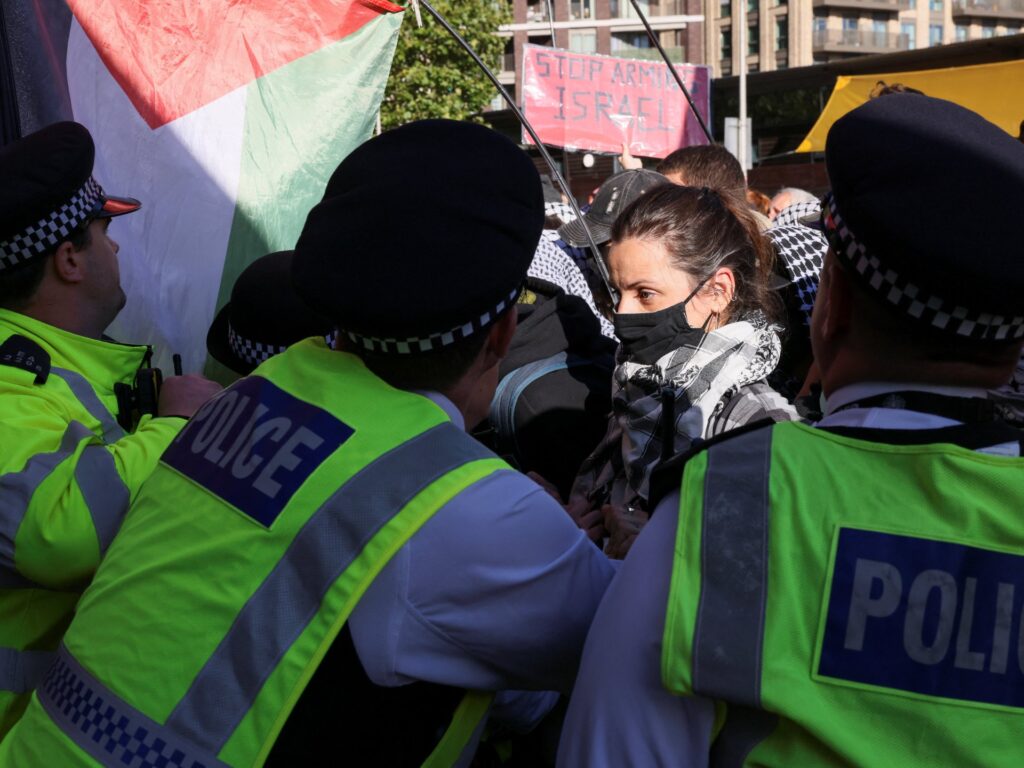
A legal group in the UK has unveiled a new public database documenting hundreds of cases they describe as “anti-Palestinian repression.” This comprehensive resource sheds light on a widespread crackdown impacting various segments of the community, including students and activists. Experts involved in this initiative argue that the crackdown represents a broad and concerning trend, affecting civil liberties and freedom of expression within the country.
The database collects evidence and detailed accounts of incidents reported over a significant period, offering an unprecedented insight into the scale and nature of repression faced by Palestinians and their supporters. The documented cases illustrate how individuals engaged in activism, educational initiatives, and public demonstrations have encountered legal challenges, discriminatory treatment, and other forms of suppression.
Among those affected are university students who have participated in pro-Palestinian events on campuses across the UK. These students reportedly have faced disciplinary actions, surveillance, and in some cases, police interventions. Activists advocating for Palestinian rights also appear prominently within the database, highlighting patterns of intimidation, restrictions on public speech, and barriers to organizing.
Legal experts compiling the database emphasize that this crackdown extends beyond isolated incidents. Instead, it represents a systemic effort that has escalated in recent years, reflecting broader geopolitical tensions and domestic concerns around security and public order. They warn that such repressive measures may undermine fundamental democratic rights, including freedom of assembly and protection against discrimination.
The public accessibility of the database is intended to raise awareness among policymakers, academics, civil society, and the general public. By presenting concrete examples and verified data, the group hopes to foster informed dialogue and advocacy aimed at safeguarding the rights of Palestinians and all affected communities within the UK.
Supporters of the crackdown argue that these actions are necessary for maintaining security and preventing extremism. However, critics assert that the broad nature of the repression often results in unfair targeting and criminalization of legitimate political expression and activism.
The report also touches on the psychological and social impact experienced by individuals subjected to these measures, noting increased feelings of marginalization and fear within affected communities. The academic environment, known for its diversity and open exchange of ideas, is perceived to be significantly affected, with some students and faculty expressing concern over self-censorship and restrictions on debate.
Recommendations from the legal experts include calls for greater transparency in law enforcement and university disciplinary processes, increased support for those facing repression, and the establishment of clear guidelines to protect the rights of activists and students alike.
This initiative marks a pivotal effort to document and confront what is described as “anti-Palestinian repression” at a critical time when discussions about human rights and freedom of expression are increasingly prominent both in the UK and around the world. The hope is that through sustained attention and advocacy, a more just and equitable environment can be fostered for Palestinian communities and their supporters within the UK.