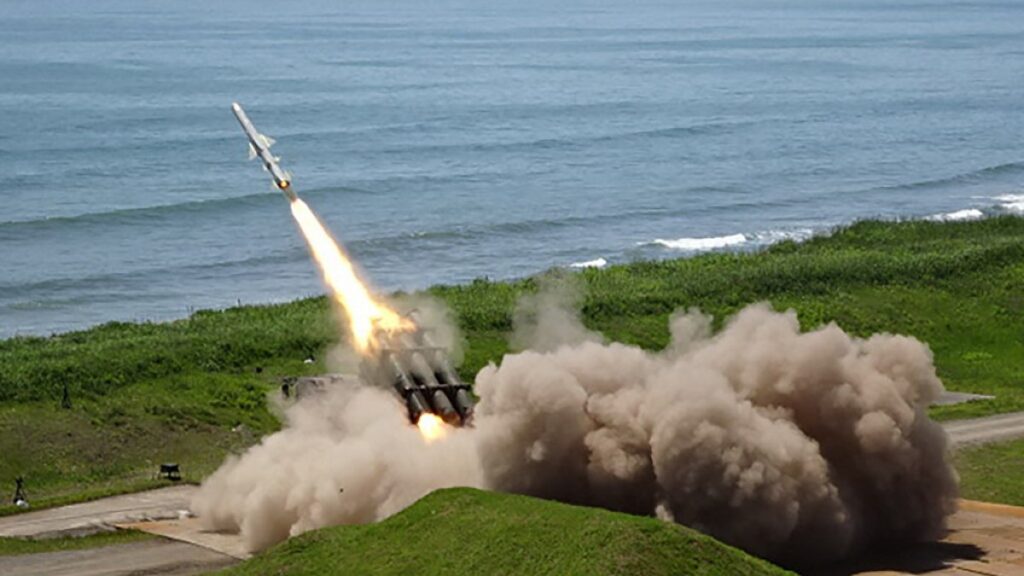
Japan has announced plans to deploy missiles in its southwestern regions, near the Taiwan Strait, a strategic move that has sparked discussions among analysts about the implications for regional stability. This decision marks a significant shift in Japan’s defense posture amid escalating tensions between China and Taiwan.
The planned missile deployment is primarily seen as a response to China’s increasing military activities around Taiwan, including frequent incursions into Taiwan’s Air Defense Identification Zone (ADIZ) and aggressive naval maneuvers in the East China Sea. Japan, which shares close economic and security ties with the United States and has expressed support for Taiwan’s democracy, is aiming to bolster its defense capabilities.
According to defense experts, the missile installations near Taiwan would enhance Japan’s ability to project power and contribute to regional security frameworks. However, this move is likely to be perceived by China as provocative. China considers Taiwan a breakaway province and strongly opposes any foreign military presence or support for Taiwanese autonomy.
Analysts warn that Japan’s missile deployment could exacerbate already high tensions in the Taiwan Strait and potentially trigger a more assertive Chinese response, including military posturing or economic measures against Japan. This development comes amid a broader backdrop of increased military modernization and strategic competition in the Indo-Pacific region.
Japanese officials have stated that the deployment is defensive and aimed at safeguarding Japan’s national security interests, particularly given the proximity of the missile sites to key maritime routes and the disputed Senkaku Islands, which are also claimed by China. The move aligns with Japan’s recent legislation allowing for more proactive defense measures and greater cooperation with allies.
In response, Chinese government spokespeople have condemned Japan’s plans, accusing it of destabilizing the regional order and interfering in China’s internal affairs. Beijing has called for Japan to refrain from actions that could escalate conflicts and emphasized its readiness to defend its sovereignty.
Taiwan has welcomed Japan’s plans as a supportive gesture amid growing uncertainty over its security. Taiwanese officials view Japan’s strengthened military posture as a deterrent against potential Chinese aggression.
The United States, a key security partner for both Japan and Taiwan, has encouraged Japan’s efforts to enhance regional defense capabilities while urging all parties to maintain peace and stability.
In summary, Japan’s installation of missiles near Taiwan marks a pivotal moment in the evolving security dynamics of East Asia. While intended as a defensive measure, it carries significant risks of heightening tensions with China, potentially destabilizing an already fragile regional equilibrium. The coming months are likely to be critical as all parties navigate this complex geopolitical landscape.