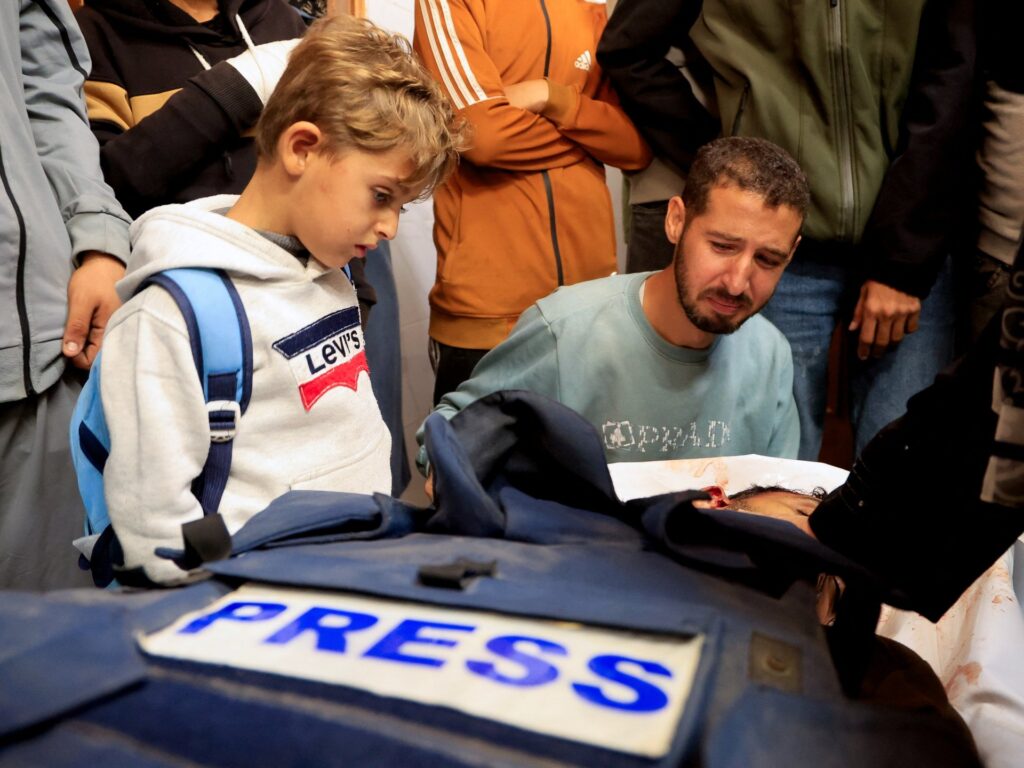
In a grim statistic released by the Committee to Protect Journalists (CPJ), Israel has been identified as the nation responsible for the highest number of journalist killings in 2025, with a total of 84 deaths. This significant figure accounts for a major share of the 129 journalist fatalities worldwide tracked by the CPJ this year.
The CPJ, an independent nonprofit organization that promotes press freedom worldwide, has expressed deep concern over the alarming trend, highlighting the dangers faced by media professionals in conflict zones and regions of political unrest. The tally of journalist casualties has sparked widespread discussions on the safety of reporters, correspondents, and photojournalists covering volatile events.
Historically, journalists have faced immense risks when reporting from areas marked by conflict and turmoil. The rising death toll in Israel and surrounding regions underscores a persistent threat to freedom of the press and the critical role of journalists in delivering truth to the public. The CPJ’s findings have brought attention to the urgent need for enhanced protective measures and accountability for attacks against media personnel.
The 84 deaths attributed to Israel represent the highest number recorded for any country in a single year, raising questions about the circumstances leading to such a disproportionately high number of journalist casualties. International human rights groups have called for thorough investigations and greater transparency regarding these incidents.
The CPJ report also sheds light on the broader implications for global press freedom. In many cases, attacks on journalists serve not only to silence individual voices but to undermine the media’s ability to report objectively on critical issues. The killings have a chilling effect on press freedom globally, limiting access to information and hindering democratic processes.
This troubling development comes at a time when the role of journalists has never been more pivotal, as the world navigates complex geopolitical conflicts and social upheavals. The CPJ stresses the importance of international cooperation to safeguard journalists and uphold the principles of free and independent journalism.
Efforts are underway by various governments and non-governmental organizations to implement safety protocols, offer training on risk assessment, and provide emergency support for journalists in hazardous environments. However, the effectiveness of these measures is yet to be reflected in a decline in journalist casualties in conflict zones.
As the international community grapples with these challenges, the CPJ’s report serves as a stark reminder of the sacrifices made by journalists worldwide. Their commitment to truth and accountability often places them in harm’s way, and their protection must be a global priority.
In conclusion, the unprecedented number of journalist killings linked to Israel in 2025, as reported by the Committee to Protect Journalists, underscores a critical crisis in media safety that demands immediate attention, action, and solidarity to ensure journalists can work without fear of violence or repression.