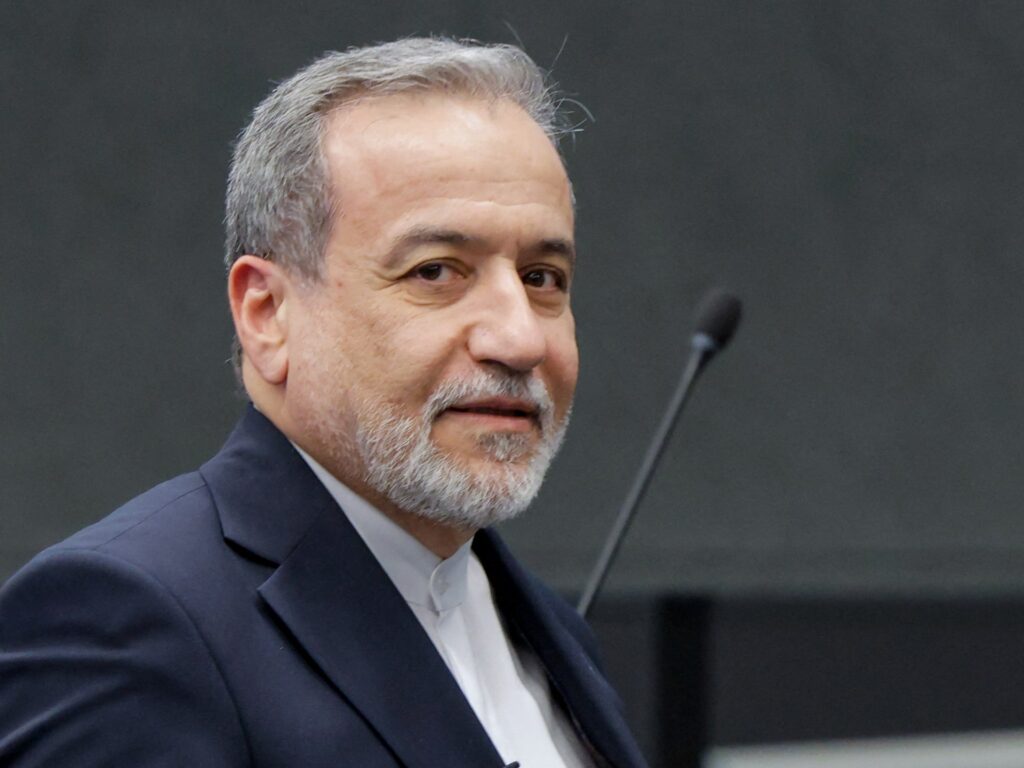
In a notable diplomatic development, Iran’s Foreign Minister Abbas Araghchi has indicated that a deal with the United States is “within reach,” signaling a potential thaw in relations amid ongoing tensions in the Middle East. This statement comes at a critical juncture, just ahead of upcoming talks scheduled to take place in Geneva, which are expected to focus on easing the strained interactions between the two nations.
Araghchi’s remarks hint at a readiness on Iran’s part to negotiate in good faith, potentially paving the way for restored dialogue and reduced hostilities. The Foreign Minister’s comments highlight an optimistic outlook despite the historically fraught relationship between the two countries.
Concurrently, former US President Donald Trump has publicly stated his preference for diplomacy over conflict, reinforcing the idea that negotiation remains a vital pathway to resolving the differences between Iran and the United States. Trump’s position adds a layer of political complexity, given his previous administration’s hardline stance, and suggests a continued bipartisan interest in pursuing diplomatic solutions.
This diplomatic momentum unfolds against the backdrop of a significant military maneuver: the deployment of a second US aircraft carrier towards the Middle East. The movement of this naval asset underscores the heightened state of alert and the strategic importance the US places on safeguarding its interests in the region.
The arrival of the second carrier group is a clear message of deterrence directed at Iran, amid concerns about security and stability in the area. It also serves as a reminder of the potential for escalation should diplomatic efforts falter.
Despite the military posturing, the international community widely hopes that the Geneva talks will yield substantive progress. The talks are expected to address critical issues such as Iran’s nuclear program, regional security, and the lifting of economic sanctions.
Observers note that the timing of Araghchi’s statement may be a calculated effort to balance diplomacy with a show of strength, signaling that Iran is open to negotiations but remains vigilant and capable of defending its interests.
The talks are anticipated to involve not only the United States and Iran but also other key international players who have a stake in the region’s stability and the success of diplomatic initiatives.
In summary, the current scenario presents a complex interplay of diplomacy and military presence, with Iran’s Foreign Minister signaling the possibility of a deal, Trump’s endorsement of negotiation, and the US reinforcing its military stance in the Middle East. The outcome of the imminent Geneva talks could significantly shape the future relations between Iran and the United States and influence broader geopolitical dynamics in the region.