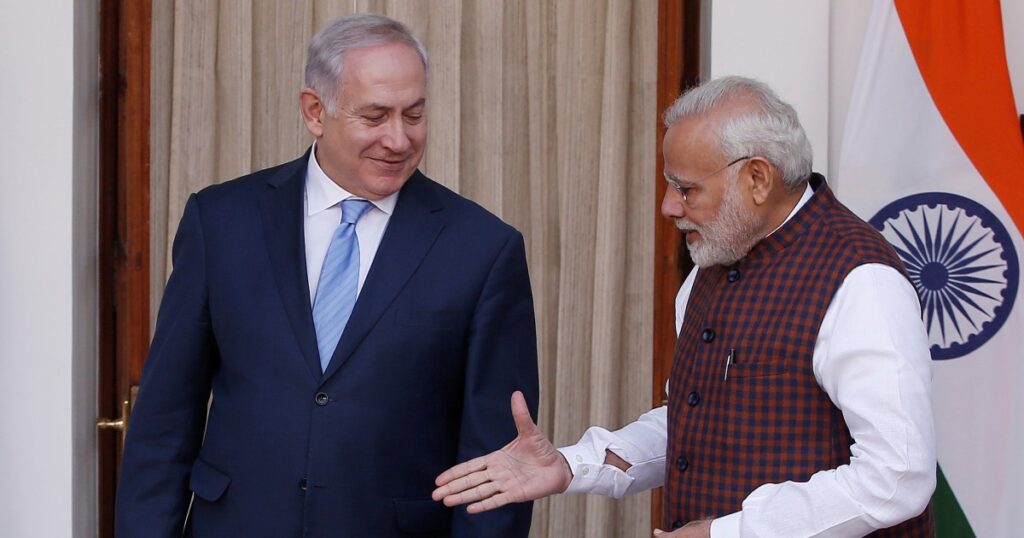
India’s Prime Minister Narendra Modi recently visited Israel, marking a significant step in strengthening the bilateral relationship between the two nations. The agenda of Modi’s visit includes discussions centered on upgrading security cooperation and enhancing economic agreements, reflecting a strategic partnership that responds to evolving regional dynamics.
The visit comes at a time when the Middle East is experiencing heightened tensions, making the partnership between India and Israel more crucial than ever. Both countries have expressed intentions to deepen defense collaboration, including exchanges on intelligence and counter-terrorism strategies, which are vital for ensuring mutual security.
Economic collaboration is also a prominent focus of the visit. India and Israel are exploring new avenues of cooperation in technology, agriculture, water management, and innovation sectors. This development aims to leverage Israel’s technological expertise with India’s market potential, driving growth and sustainable development in both countries.
Modi’s trip signifies the importance India places on its relations with Israel, not only as a strategic ally but also as a key partner in technology and innovation. The talks are expected to yield agreements that would facilitate greater trade and investment opportunities, contributing to economic resilience amid global uncertainties.
Furthermore, Modi’s visit to Israel underscores India’s broader foreign policy strategy to diversify its diplomatic engagements, securing partnerships beyond traditional allies. This step aligns with India’s pursuit of enhancing security and economic security in a complex geopolitical environment.
In conclusion, Prime Minister Modi’s visit to Israel is more than a diplomatic formality; it is a strategic engagement reflecting the growing convergence of interests between India and Israel. The anticipated security upgrades and economic agreements will likely have significant implications for both nations, reinforcing their roles as pivotal players in their respective regions and on the global stage.