Four years into the war in Ukraine, Russian President Vladimir Putin continues to maintain a strong hold over Russia despite facing significant challenges. The swift and decisive victory many anticipated at the beginning of the conflict did not materialize, but a combination of factors has allowed Putin to retain control, balancing military operations, the economy, and public perception.
One of the key reasons for Putin’s sustained power is the functioning state of the Russian economy. Although the war has exerted pressure, Russia has managed to avoid a catastrophic economic collapse. Government policies, coupled with strategic international partnerships, particularly in energy exports and trade with countries not imposing sanctions, have helped stabilize the economy. This economic steadiness provides a foundation that bolsters Putin’s domestic legitimacy.
Controlled media also plays a crucial role in shaping public opinion. The Russian government maintains tight control over most major news outlets and restricts access to information from independent sources. This control ensures that the narrative around the war remains favorable to the government, portraying military efforts positively and framing Western countries as antagonists threatening Russian security. The messaging emphasizes patriotism and defense of the homeland, helping to sustain nationalistic support.
On the military front, progress has been slow but steady. Russian forces have managed incremental gains in Ukraine, avoiding catastrophic defeats, which, coupled with strategic narratives, are presented to the Russian public as signs of success. While the conflict’s human and material costs are high, the Kremlin projects an image of a resolute leader navigating a complex war environment.
Moreover, the government has implemented measures to suppress dissent and prevent large-scale protests. Crackdowns on opposition figures, activists, and independent media have limited domestic challenges to Putin’s authority. This combination of repression and controlled messaging limits the space for organized resistance within Russia.
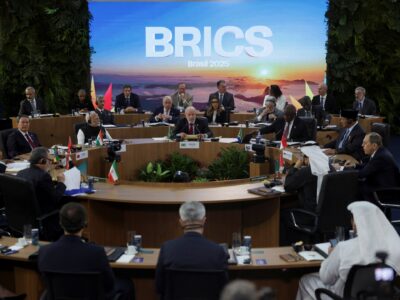
Internationally, Putin’s administration leverages diplomatic relationships to mitigate the impact of sanctions and isolate supporters of Ukraine. Partnerships with countries like China, India, and several Middle Eastern nations provide alternative economic and political support avenues, reducing Russia’s vulnerability.
In essence, Vladimir Putin’s endurance as Russia’s leader amid the protracted Ukraine conflict is a product of a carefully managed economy, rigorous control over information, careful military recalibrations, repression of dissent, and strategic international alliances. Although the war has not brought the quick victory envisioned early on, these interconnected strategies have enabled Putin to maintain his grip on power and continue the conflict from a position of relative strength within Russia.