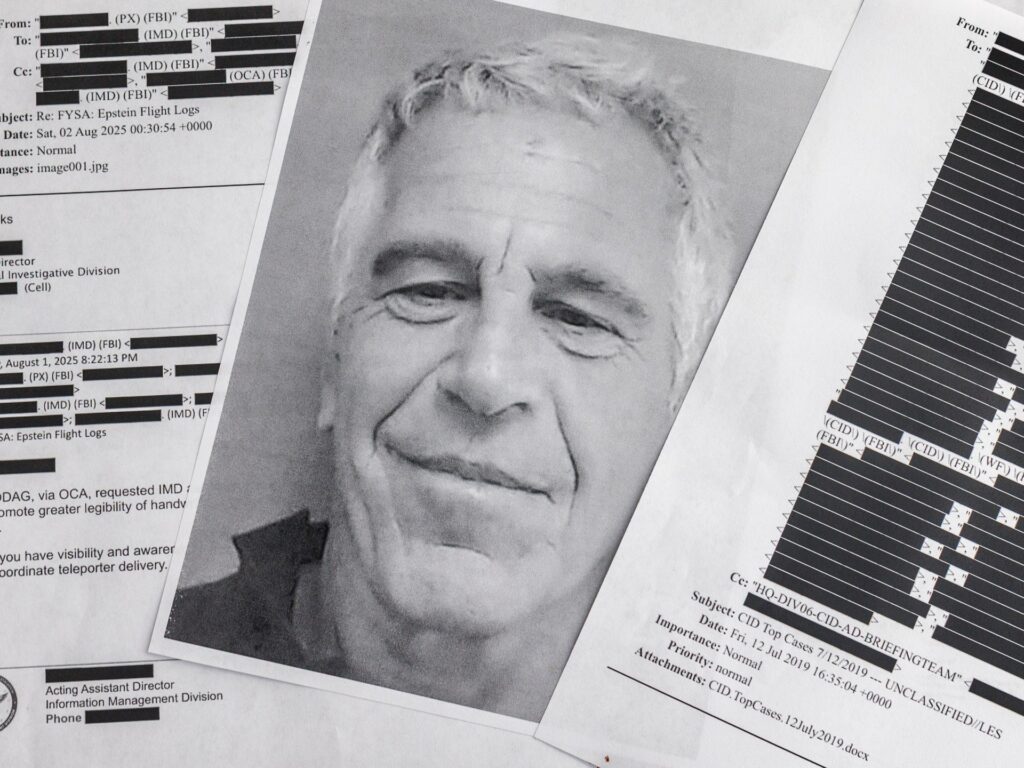
After Jeffrey Epstein’s 2008 conviction for sex offenses, a federal investigation and newly released documents have cast light on the continued support he received from influential financiers, billionaires, and major banks. Despite the serious accusations and his legal troubles, Epstein managed to preserve deep connections within elite financial circles, allowing him to maintain his wealth and operations.
Epstein’s 2008 conviction related to charges of soliciting an underage girl for prostitution. This conviction led to a highly controversial plea deal that allowed him to serve a significantly reduced sentence. However, even after this, federal documents reveal that prominent banks and high-net-worth individuals continued to facilitate Epstein’s financial activities.
Banks played a critical role by providing standard financial services that supported Epstein’s management of his assets. Reports indicate that multiple major banking institutions maintained accounts for Epstein’s various entities, thereby enabling ongoing movement and investment of his capital. This included sophisticated money management and access to investment opportunities typically reserved for elite clients.
Billionaires and prominent financiers also played a key role. Some reports suggest that Epstein was often introduced to influential people by high-powered friends within the finance world, which helped him network extensively. Certain wealthy individuals reportedly continued to engage in financial dealings with Epstein or exchanged favors, which aided in the perpetuation of his operations.
The documents highlight how Epstein’s ability to maintain lucrative relationships with financial institutions ensured his operations could continue relatively unhindered. Epstein’s high-profile social network and financial acumen allowed him to camouflage illicit activities behind legitimate business dealings.
Moreover, these revelations have prompted renewed scrutiny of the financial industry’s due diligence processes. Regulatory bodies and compliance teams have faced criticism for failing to adequately monitor Epstein’s financial activities, despite red flags associated with his criminal history.
Legal experts argue that banks and wealthy individuals’ willingness to engage with Epstein illustrates broader systemic issues related to financial oversight, particularly concerning clients known to have criminal charges related to sexual misconduct. The connections between finance and Epstein underscore challenges in balancing client confidentiality with ethical and legal responsibilities.
In conclusion, the federal documents reveal a troubling picture of how Epstein’s network of support extended beyond his immediate circle of associates. The involvement of major banks and billionaires helped shield Epstein’s operations, highlighting significant gaps in financial vigilance and raising questions about accountability within elite financial systems.