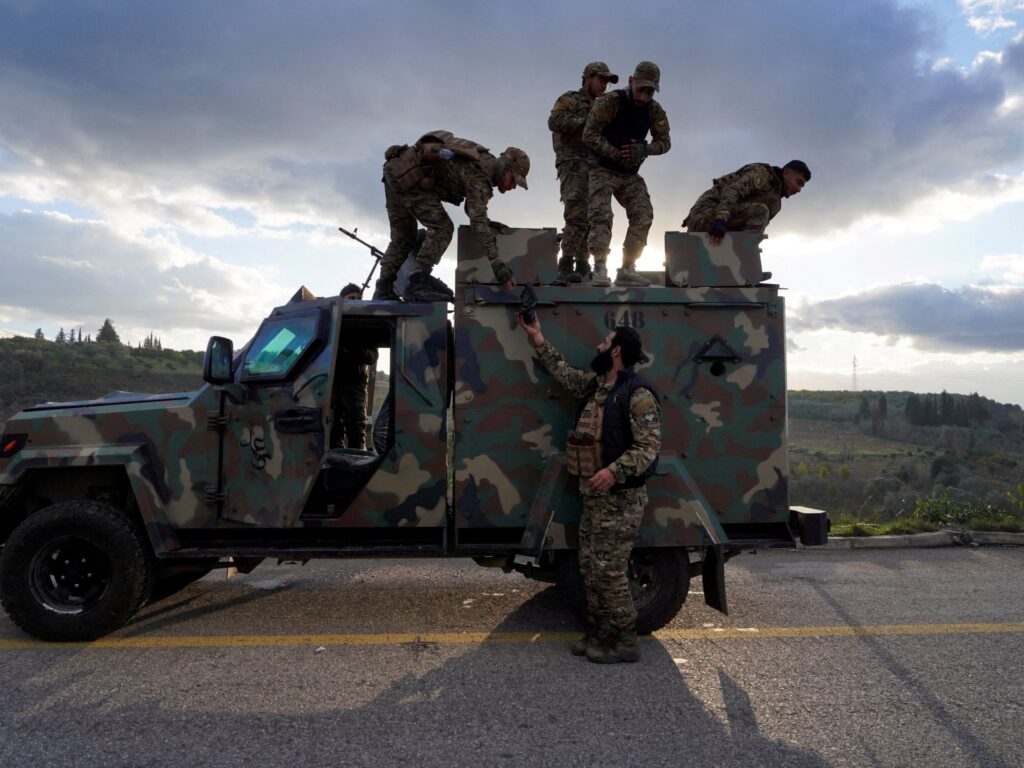
Latakia, a city situated in the coastal region of Syria known predominantly as the Alawite heartland, has witnessed deadly clashes resulting in multiple fatalities. The recent violence unfolded when suspected supporters of the Assad regime launched an attack targeting security forces in the city.
The Alawite community, a religious minority in Syria to which President Bashar al-Assad belongs, has historically been regarded as a stronghold of regime support. Latakia, as a major urban center in this region, has previously experienced relative stability compared to other parts of the country ravaged by the ongoing civil war.
However, these latest clashes signal a troubling escalation of violence and insecurity within the city. Reports indicate that the attacks were meticulously planned and executed by regime loyalists who aimed to destabilize security operations and assert dominance over key areas.
The fighting resulted in several casualties, including both combatants and civilians caught in the crossfire. Local sources have expressed concern over the increased risk to civilian life and property, urging for immediate intervention to restore order and safeguard the population.
The broader implications of this unrest are significant. Latakia’s strategic importance as a coastal gateway and its symbolic status as an Alawite bastion mean that rising tensions could have ripple effects throughout the region. The government’s capacity to maintain control over the city is being tested amid these growing security challenges.
Background context to this incident involves the complex Syrian conflict that has stretched over a decade, marked by deep sectarian divides, foreign interventions, and shifting alliances. While Latakia has remained relatively insulated from some of the worst fighting, recent events demonstrate that no area in Syria is entirely immune from violence.
Analysts warn that the current turmoil may complicate ongoing efforts towards a political solution in Syria, as insecurity undermines trust among communities and weakens state institutions. Moreover, any escalation in Latakia risks dragging adjacent regions into conflict and disrupting humanitarian efforts aimed at aiding displaced populations.
Efforts to de-escalate the situation are reportedly underway, with both internal security forces and external actors advocating for dialogue and restraint. However, the entrenched nature of the conflict means that peace remains elusive without coordinated political will and inclusive negotiations.
The international community closely monitors developments in Latakia, recognizing that stability in this key city is crucial to broader prospects for peace in Syria. Continued violence not only erodes local governance but also exacerbates the humanitarian crisis already affecting millions of Syrians.
As fighting continues in the Alawite heartland, the priority remains to protect civilians, restore security, and lay the groundwork for reconciliation in a country desperately in need of peace and recovery.