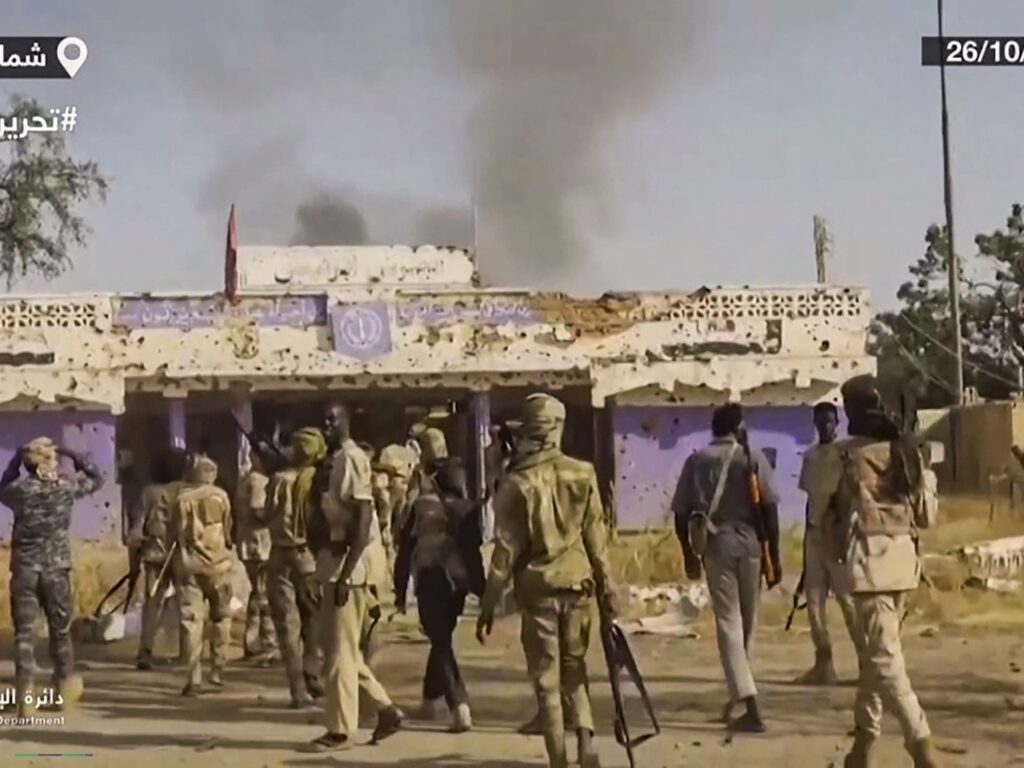
In a violent escalation in the Darfur region of Sudan, at least 28 people have been killed following a large-scale assault by the Rapid Support Forces (RSF), a Sudanese paramilitary group. The RSF launched their offensive in the town of Misteriha, an area known for its tribal affiliations and as the home of prominent tribal leader Musa Hilal.
The attack marks a significant and brutal chapter in the ongoing conflict that has plagued Darfur for over a decade, creating instability and humanitarian crises in the area. Misteriha, targeted in this assault, holds strategic and symbolic importance due to its connection with Musa Hilal, who has been a central figure in regional tribal politics.
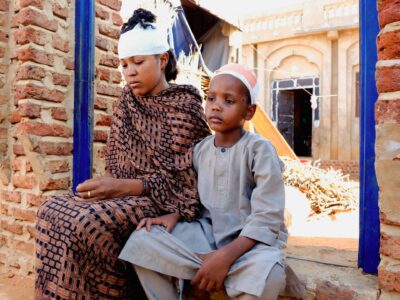
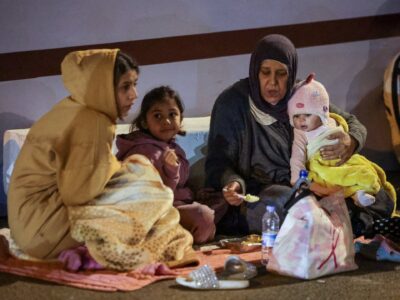
Witnesses report that the RSF forces moved swiftly and with overwhelming firepower, tearing through the town and overpowering local defenses. The violence has triggered panic among civilians, many of whom have fled their homes to escape the fighting. The presence of such paramilitary groups and their frequent assaults exacerbate fears of further displacement and suffering among the Darfur population.
This attack by the Rapid Support Forces underscores the volatile security situation in Sudan, where competing armed groups often clash for control of key regions. The government’s control over these militias remains tenuous, complicating peace efforts and leading to repeated outbreaks of violence.
Human rights organizations have condemned the attack, calling for immediate international attention and intervention to protect civilians and ensure accountability for the perpetrators. The killing of at least 28 individuals is a grim reminder of the high human cost associated with the ongoing conflict in Darfur.
The situation remains fluid, and there is growing concern about the potential for the conflict to spread further across the region, destabilizing more communities and increasing the risk of humanitarian disaster. Aid agencies are monitoring the developments closely, preparing for the possibility of increased displacement and urgent need for emergency assistance.
Efforts to negotiate peace and ceasefire agreements in Darfur have historically been hampered by deep-seated ethnic tensions, political rivalries, and the fragmented nature of armed groups. The latest assault by the RSF is likely to pose a new challenge to these fragile negotiations, threatening any progress toward lasting peace.
As Sudan continues to grapple with internal divisions and conflict, the international community faces renewed pressure to support diplomatic solutions and provide humanitarian aid to those affected. The massacre in Misteriha is not just a localized tragedy but a reflection of broader instability that calls for comprehensive strategies addressing security, governance, and development in Sudan.
The people of Darfur, and Sudan at large, need urgent support and a renewed commitment from all stakeholders to end this cycle of violence and begin rebuilding peace and stability in the region.