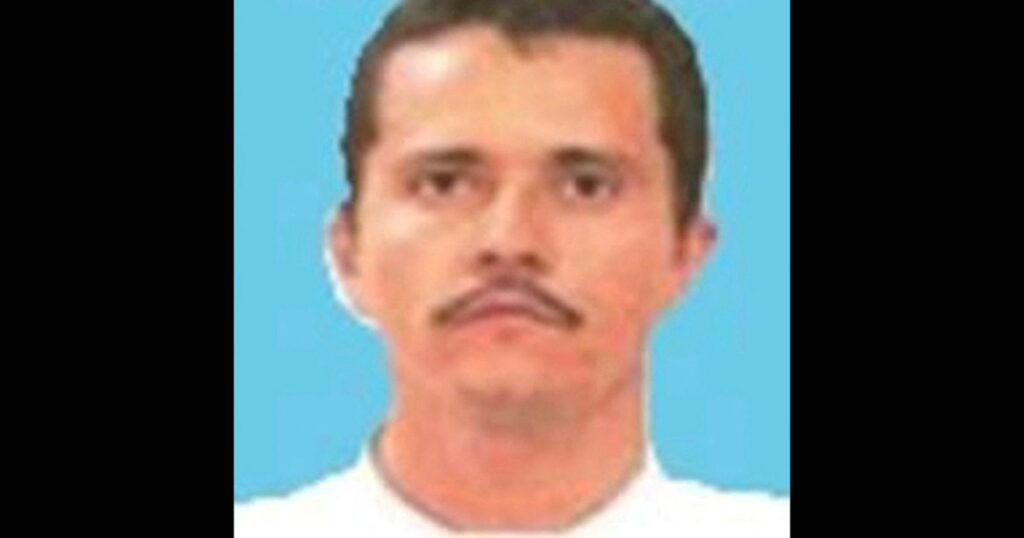
The death of Nemesio Oseguera Cervantes, known as El Mencho, marks a significant turning point in the ongoing battle against drug cartels in Mexico. As the head of the Jalisco New Generation Cartel (CJNG), El Mencho was considered the most notorious and powerful drug lord in the country. His elimination by Mexican forces was the result of an intelligence-driven operation reflecting months of meticulous planning and coordination.
El Mencho’s criminal empire spanned numerous territories across Mexico and extended into the United States and other nations, involving trafficking in methamphetamines, heroin, fentanyl, and cocaine. His rise to power was marked by extreme violence and a highly organized cartel structure that posed one of the greatest challenges to Mexico’s law enforcement and security agencies.
The operation to locate and kill El Mencho began with extensive intelligence gathering. Mexican agents, aided by international partners including U.S. intelligence agencies, conducted surveillance and intercepted communications to track his movements. This collaborative effort was pivotal in pinpointing El Mencho’s exact location.
The breakthrough came when Mexican forces received credible intelligence about El Mencho’s presence in a remote area protected by heavily armed cartel members. Special forces units were deployed at dawn, surrounding the location strategically to prevent escape and minimize collateral damage.
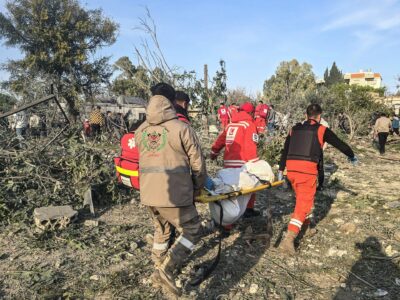
The raid was swift and precise. Mexican forces engaged armed cartel gunmen, and in the process, El Mencho was killed. The engagement reportedly lasted several minutes, ending with the cartel leader’s death and the arrest of multiple high-ranking cartel members. Authorities also seized large quantities of drugs, weapons, and cash during the operation.
This successful operation was hailed by the Mexican government as a major victory against organized crime. President Andrés Manuel López Obrador described it as a significant blow to the CJNG and emphasized the commitment of Mexican authorities to continue combating drug cartels.
However, analysts caution that El Mencho’s death, while symbolically significant, may not immediately dismantle the CJNG. The cartel’s decentralized structure allows for succession and reorganization, potentially leading to power struggles and increased violence.
The killing raises questions about the future dynamics of drug trafficking in Mexico. Law enforcement agencies are expected to intensify efforts to dismantle cartel networks and monitor any attempts by successors to consolidate power.
El Mencho’s demise also has implications for U.S.-Mexico cooperation on drug interdiction and intelligence sharing. The operation’s success was largely attributed to joint efforts, underscoring the importance of collaborative strategies in addressing transnational crime.
In conclusion, the elimination of El Mencho marks a pivotal moment in Mexico’s fight against drug cartels. The meticulous intelligence work and coordinated military action demonstrate the evolving capabilities of Mexican forces. Yet, the complex nature of cartel organizations suggests that much work remains to ensure long-term peace and security in the region.