In a significant development impacting global maritime trade, Hong Kong-based multinational conglomerate CK Hutchison Holdings has announced that the Panama government has taken over administrative and operational control of its two ports located near the Panama Canal. This move marks a critical point in the ongoing complex relations between foreign investors and the Panamanian authorities.
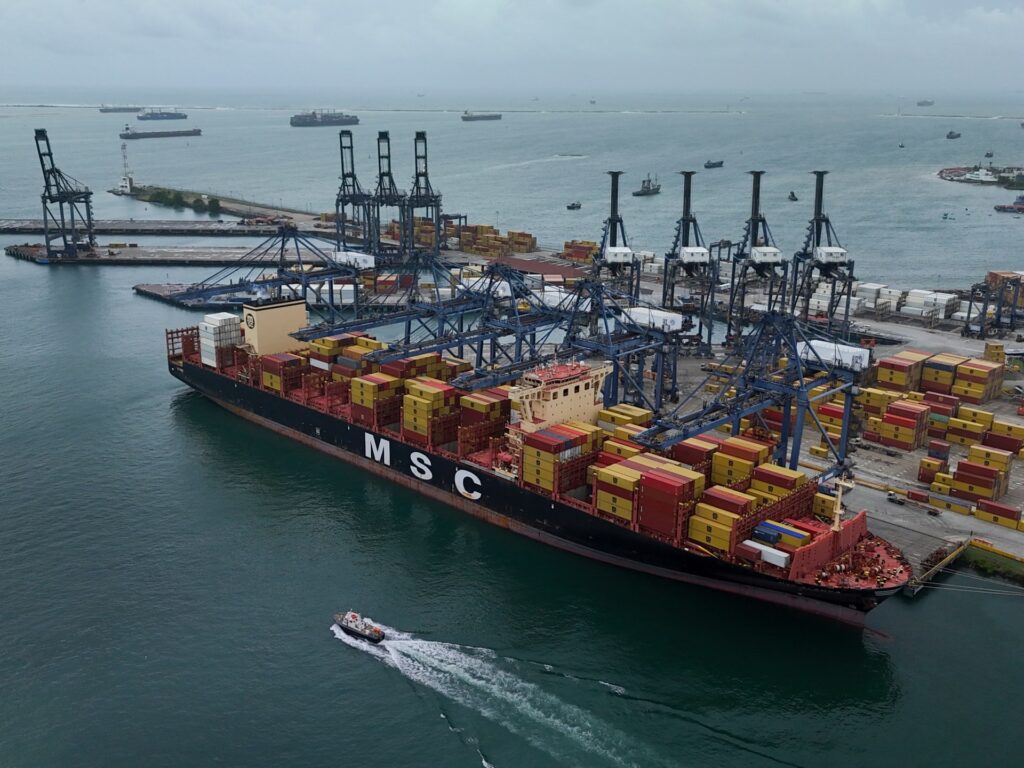
CK Hutchison, a major player in port operations worldwide, owns and operates two key ports pivotal to the logistics and supply chain of the Panama Canal region. The conglomerate disclosed that the Panamanian government has effectively seized control of these facilities, thereby assuming full control of port activities, including administration, security, and operational decisions.
The Panama Canal is a vital artery for global maritime traffic, facilitating the passage of ships between the Atlantic and Pacific Oceans. The seizure of these ports could have far-reaching implications for international shipping and the movement of goods across continents. Both ports have been significant hubs for cargo transit, serving numerous shipping lines and contributing to the country’s economy.
CK Hutchison has expressed its concerns over the seizure, noting that the conglomerate was not given prior notification or an opportunity to negotiate before the government’s decisive action. The company highlighted its commitment to resolving the matter through diplomatic and legal avenues, underscoring the importance of the ports for regional and global trade.
The Panamanian government has justified the takeover by citing concerns related to administrative irregularities and the need to ensure national security. Officials claim that assuming control of the ports is necessary to safeguard Panama’s strategic interests and maintain the efficient functioning of the vital canal-related infrastructure.
Industry experts warn that the development may raise tensions between Panama and foreign investors, potentially leading to a reevaluation of investment terms and conditions in the country. The move could also affect the confidence of international corporations considering business partnerships or expansions in Panama.
Maritime stakeholders worldwide are closely monitoring the situation, given the Panama Canal’s central role in facilitating global commerce. Any disruption or changes in port management could result in delays, increased costs for shipping companies, and a potential ripple effect throughout international supply chains.
CK Hutchison’s ports near the Panama Canal have been strategic assets for over a decade, representing a crucial link in the transshipment and distribution network for cargo moving between Asia, the Americas, and Europe. The sudden shift in control interrupts long-established operational procedures and may require an adjustment period for all parties involved.
The conglomerate is currently exploring all legal measures to challenge the government’s action, aiming to restore its operational rights while maintaining uninterrupted port services. Meanwhile, Panamanian authorities have pledged to maintain the ports’ functionality and assure shipping clients of minimal disruption.
This incident underscores the complex dynamics between sovereign governments and multinational corporations operating critical infrastructure. It also highlights the geopolitical significance of the Panama Canal as well as the delicate balance required to manage international trade routes.
Stakeholders and observers are awaiting further developments, including any diplomatic negotiations or resolutions that may influence future management and ownership structures of the ports. The international community is also paying close attention to Panama’s approach to foreign investment and its commitment to upholding bilateral trade agreements.
In summary, the seizure of CK Hutchison’s ports by Panamanian authorities reflects broader global issues around jurisdiction, security, and commerce. As the situation unfolds, its impact will likely extend beyond Panama’s borders, affecting global maritime trade patterns and strategic economic alliances.