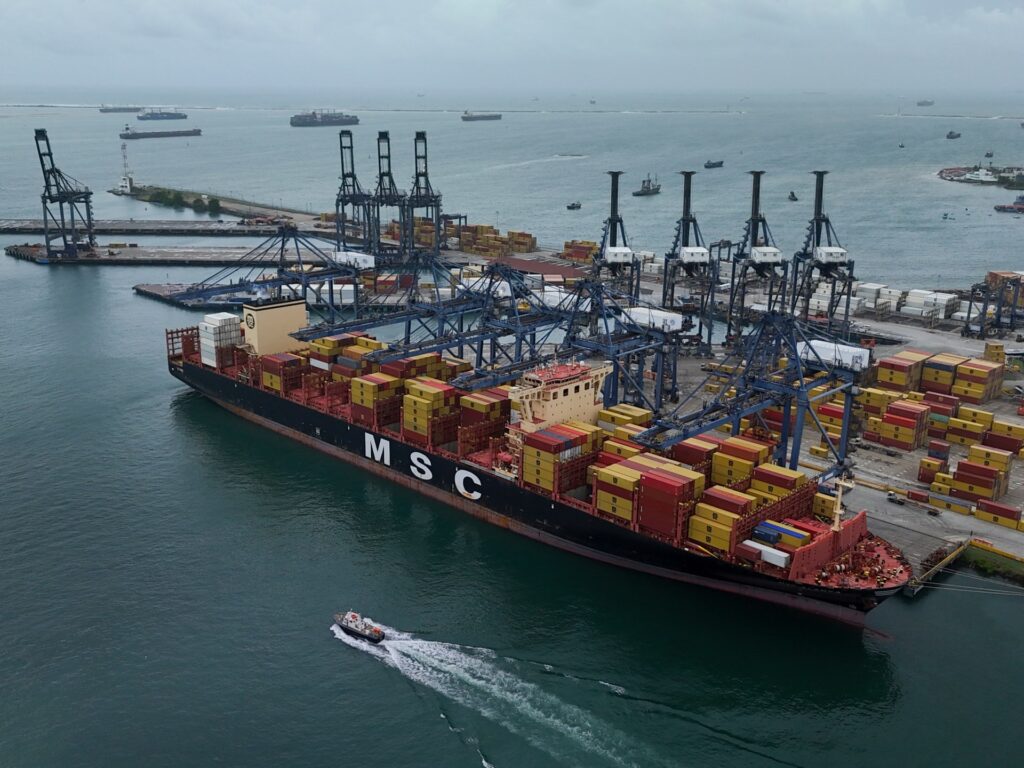
In a significant development impacting international trade routes, the Hong Kong-based conglomerate CK Hutchison has reported that its two ports along the Panama Canal have been seized by Panamanian authorities. The company confirmed that the Panama government now exercises ‘administrative and operational control’ over these strategic port facilities.
CK Hutchison, a major player in the global infrastructure and port operations sector, operates a variety of assets worldwide, including crucial hubs along the Panama Canal, one of the most important maritime passages linking the Atlantic and Pacific Oceans. The sudden administrative takeover indicates a substantial shift in control that may affect global shipping logistics and regional trade operations.
The conglomerate’s announcement came amidst growing tensions between the company and the Panamanian government, though specific reasons for the seizure were not immediately disclosed. Industry analysts speculate that the move could relate to disputes over operational management, regulatory compliance, or financial matters such as concessions and fees.
The Panama Canal itself is a key artery in international maritime trade, facilitating the transit of thousands of vessels annually carrying goods around the world. Control over ports along this route is strategically valuable, as it offers significant influence over shipping logistics and revenue generation from canal-related services.
Stakeholders from the shipping and logistics industries are closely monitoring the situation, with concerns about potential disruptions to cargo schedules and increased costs due to the administrative changes. Global supply chains relying on smooth transit through the Panama Canal may face temporary uncertainties as negotiations or legal proceedings unfold.
CK Hutchison’s statement reflects the conglomerate’s position as it seeks to address the challenges posed by the governmental takeover. The company has not ruled out the possibility of resorting to legal remedies or international arbitration to reclaim operational control or seek compensation.
The Panamanian government, for its part, has emphasized the importance of maintaining sovereignty and ensuring the efficient and lawful operation of its critical infrastructure. Officials have underscored their commitment to a resolution that upholds Panama’s interests and complies with national regulations.
This incident represents a broader trend of increasing government involvement in strategic assets, especially in sectors deemed vital to national security and economic stability. Similar moves in other countries have stirred debates on foreign investment and control of key infrastructure.
Market watchers advise that the evolving scenario could have ripple effects, prompting other ports and infrastructure operators worldwide to assess their contractual and operational risk management strategies.
As the situation develops, further updates will be essential to understanding the long-term impact on Panama’s trade activities and the global maritime industry. The balance between governmental authority and private sector investment in infrastructure remains a delicate subject, with this latest episode highlighting its complexity in a critical global corridor.
In conclusion, the seizure of CK Hutchison’s Panama Canal ports by Panamanian authorities marks a pivotal moment in international port operations and governance. The outcome will likely influence not only the immediate stakeholders but also set precedents for how strategic assets are managed and contested on the international stage.