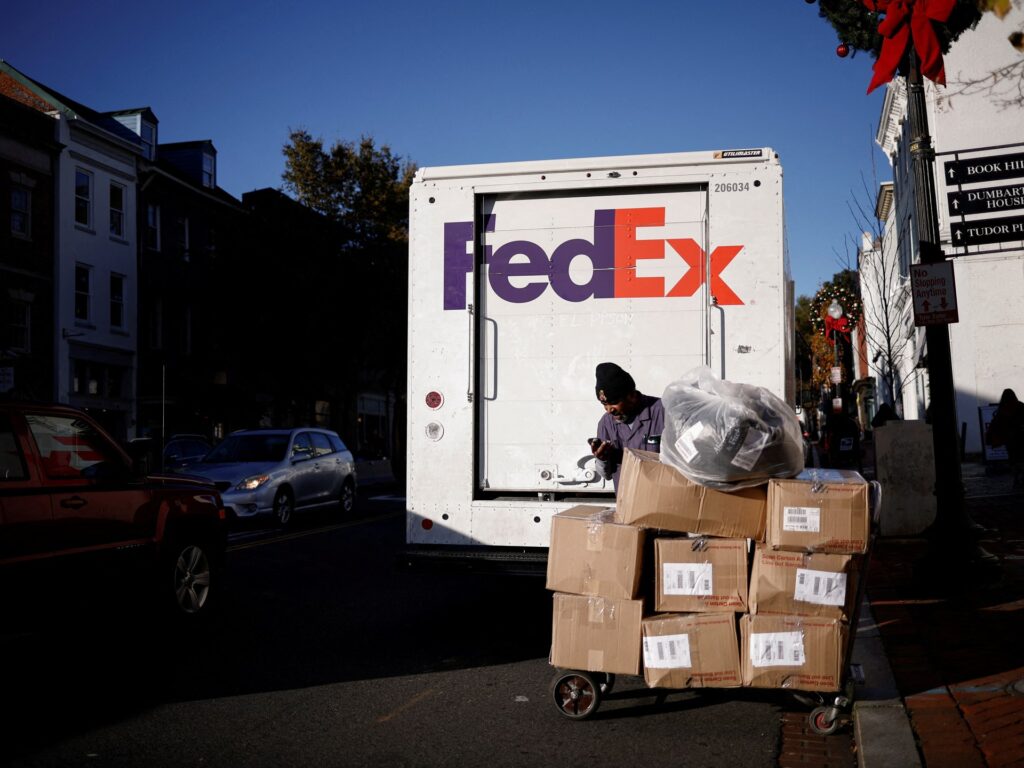
FedEx, the global logistics giant, has initiated legal action against the US government to recover tariff fees it paid, following a recent Supreme Court ruling that has significant implications for tariff collections. The lawsuit represents a strategic move by FedEx to recoup substantial fees imposed on its shipments, fees which it argues were improperly charged under previous interpretations of trade regulations.
The Supreme Court’s ruling clarified certain aspects of tariff enforcement, setting a precedent that many companies, including FedEx, believe entitles them to refunds on tariffs paid. Despite this, the courts have not yet established a formal process for how such refunds should be handled, creating a complex legal landscape.
FedEx’s lawsuit highlights the challenges faced by businesses in navigating the evolving regulatory environment for international trade and tariffs. Tariffs, which are taxes imposed on imported goods, have been a contentious issue, affecting logistics companies that handle vast volumes of international shipments.
The company argues that it has been unfairly burdened by these fees, which affect its operating costs and competitiveness. By seeking a refund, FedEx aims not only to recover its financial losses but also to set a legal precedent for how tariffs should be applied and refunded in the future.
Trade experts say that this case could have wide-reaching effects beyond FedEx, potentially impacting other companies subject to similar tariff charges. It underscores the ongoing tension between federal regulatory agencies and the private sector in the complex domain of international commerce.
Legal analysts are closely watching the case to see how the courts will approach the absence of an established refund process for tariffs. The outcome could lead to demands for clearer guidelines and reforms in tariff administration.
Meanwhile, FedEx continues to operate amidst these uncertainties, emphasizing its commitment to customer service and supply chain efficiency. The company remains a vital player in global logistics, and its actions reflect broader industry concerns about regulatory clarity and fairness.
The case also raises questions about the future of US trade policy, especially in the context of recent shifts towards protectionism and trade renegotiations. Businesses are increasingly seeking greater predictability in trade regulations to better plan their operations.
As this legal battle unfolds, the logistics and trade communities are keen to understand its implications – not just for FedEx, but for the broader marketplace and for the governance of tariffs in the United States. The resolution of this lawsuit could herald new standards and reforms that will shape the future of international shipping and trade compliance.