As Ukraine marks the somber milestone of four years since the onset of Russia’s invasion, the conflict continues to cast a long shadow over the region, characterized by devastation and relentlessly frozen frontlines. Despite the prolonged confrontation, Ukrainians remain steadfastly resistant to the prospect of capitulating to Moscow, demonstrating a strong national resolve amid ongoing hostilities.
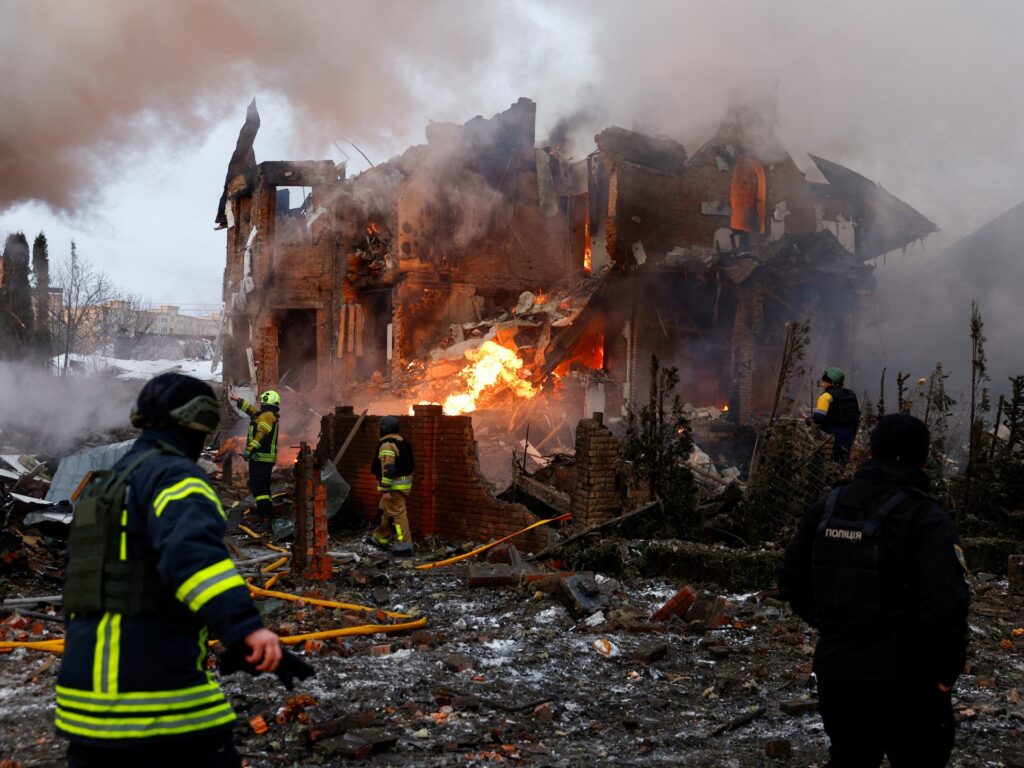
Since the war’s inception, the landscape and lives in Ukraine have been irrevocably altered. Cities and towns in the conflict zones bear the scars of war — buildings reduced to rubble, communities uprooted, and infrastructure severely damaged or destroyed. The human toll is staggering, with thousands of lives lost and millions displaced either internally or as refugees abroad.
The military frontlines have largely stabilized into stalemates, creating a frozen conflict in many regions. This has resulted in prolonged trench warfare and periodic flare-ups without a decisive breakthrough by either side. The dynamic has entrenched a grim status quo fraught with uncertainty and suffering for civilians caught in the crossfire.
Internationally, the conflict has drawn widespread condemnation of Russia’s actions, prompting sanctions and diplomatic efforts aimed at de-escalating the war. At the same time, support for Ukraine in terms of military aid and humanitarian assistance has been significant but also complex, influenced by geopolitical interests and the evolving situation on the ground.
Despite the prolonged nature of the war, morale among Ukrainians remains remarkably resilient. Public sentiment strongly rejects any notion of surrender or compromise that would undermine the country’s sovereignty and democratic aspirations. National pride and the desire to defend territorial integrity have galvanized citizens and armed forces alike.
On the diplomatic front, peace negotiations have been hindered by mutual distrust and competing demands. Efforts by international mediators to broker ceasefires or longer-term agreements have so far failed to yield a sustainable resolution. This ongoing impasse underscores the challenges in resolving conflicts marked by deep historical grievances and strategic stakes.
The four-year mark also calls attention to the broader implications of the war for regional and global security. It highlights the fragility of international norms and the risks posed by aggressive territorial expansion. The conflict serves as a stark reminder of the cost of war and the critical need for sustained diplomatic engagement and conflict prevention mechanisms.
Looking forward, the future of Ukraine remains uncertain. While the lines on the map may remain frozen for now, the human and political consequences continue to evolve. The resilience and determination of the Ukrainian people stand as a powerful testament amidst adversity, but the path to peace and rebuilding remains fraught with challenges.
In this time of reflection and resolve, Ukraine’s experience underscores the enduring costs of conflict and the unwavering commitment of a nation striving to preserve its freedom and sovereignty against formidable odds.