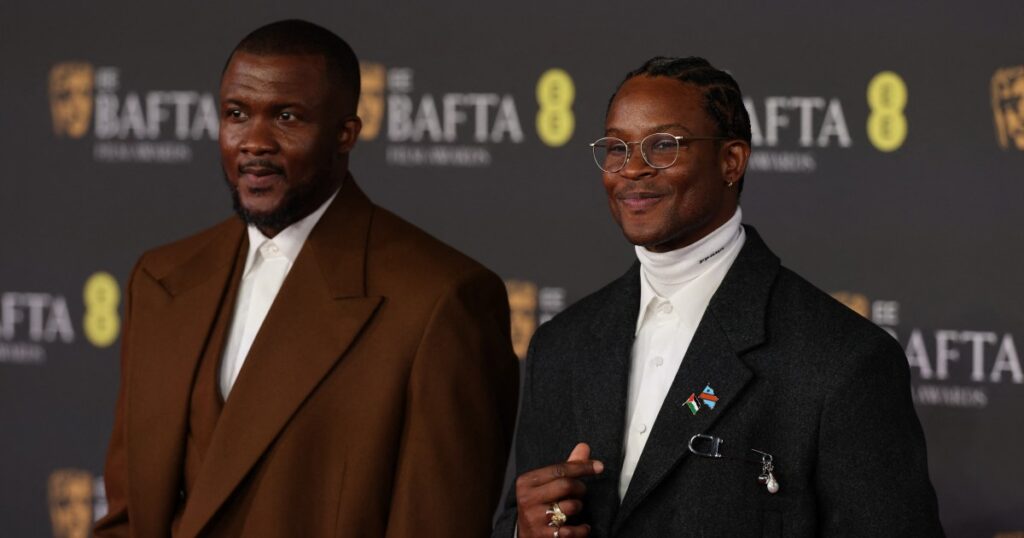
The BBC has come under criticism for omitting a ‘Free Palestine’ tribute during its coverage of the BAFTA awards. The controversy centers on a segment from the acceptance speech of award-winning filmmaker Akinola Davies Jr., who included a powerful statement supporting Palestine in his remarks. However, this portion of his speech was reportedly not broadcast to viewers, prompting accusations of censorship and bias.
Akinola Davies Jr., known for his impactful storytelling and contributions to cinema, used his platform at the prestigious British Academy of Film and Television Arts (BAFTA) ceremony to bring attention to the Palestinian cause. The phrase ‘Free Palestine’ resonated strongly with several attendees but was unfortunately absent from the televised coverage.
The BBC defended its editorial decision, citing guidelines and policies surrounding political statements during entertainment broadcasts. Nevertheless, viewers and advocacy groups expressed disappointment and frustration, arguing that such omissions silence important political expressions.
This incident is part of a broader debate about media impartiality, freedom of speech, and the role of broadcasters in covering contentious geopolitical issues. Supporters of Davies Jr. argue that the filmmaker’s message is a legitimate political stance deserving of recognition rather than suppression.
Critics of the BBC’s decision assert that selectively editing speeches to exclude controversial content undermines transparency and may alienate audiences who seek comprehensive coverage. Conversely, some commentators highlight the need for broadcasters to maintain neutrality and avoid inflaming political tensions during entertainment events.
The story has drawn significant social media attention, with hashtags related to ‘Free Palestine’ trending alongside discussions about media ethics and censorship. Influential figures in the arts and human rights communities have also weighed in, calling for more inclusive and uncensored platforms for artists to express themselves freely.
This episode puts a spotlight on the complexities media organizations face when balancing editorial policies with evolving social and political dynamics. It raises questions about how much editorial control should be exerted over award ceremonies, which traditionally focus on celebrating artistic achievements rather than political statements.
Akinola Davies Jr.’s advocacy reflects a larger movement within the cultural sphere where artists are increasingly using their visibility to highlight global issues. As cultural institutions respond to these shifts, discussions about free speech and responsible broadcasting are expected to continue.
The BAFTA organization has not formally commented on the specific editorial choices made during the broadcast, focusing instead on celebrating the achievements of the award recipients.
As this story develops, it underscores the ongoing tensions between media regulation, artistic expression, and political activism, inviting audiences to consider the role of media platforms in facilitating or restricting dialogue on critical social matters.