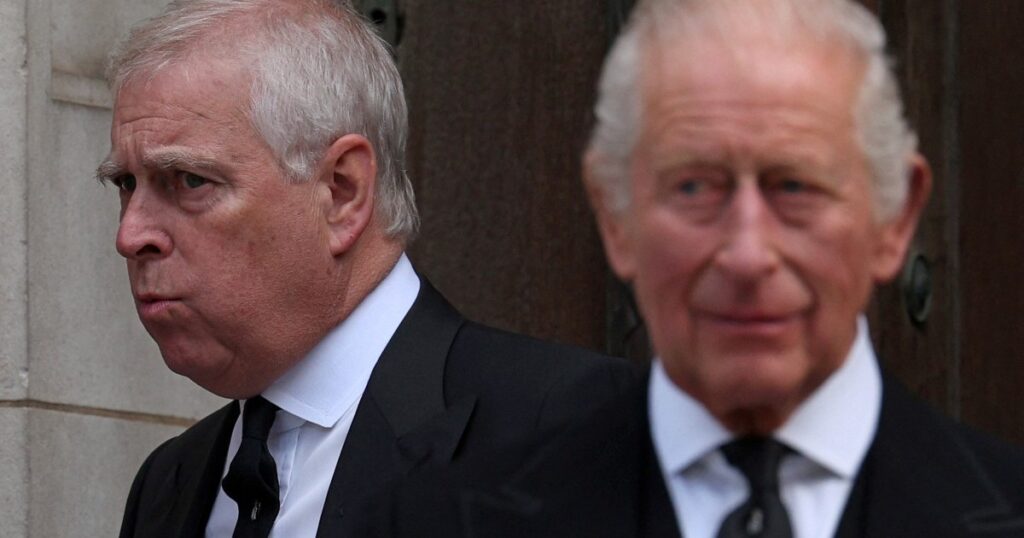
In a significant development surrounding the British royal family, the Prime Minister of Australia has publicly backed the potential removal of former Prince Andrew from the line of succession. This move comes amid ongoing controversies involving the disgraced prince, who has faced intense scrutiny and legal challenges. The Australian PM’s support aligns with growing calls across the Commonwealth realms for a reassessment of Prince Andrew’s place within the monarchy.
Adding to this shift, New Zealand’s government has indicated that it will also support the UK government’s decision should it decide to formally remove Prince Andrew from the succession line. This support from two key Commonwealth nations highlights a broader international consensus regarding the prince’s standing and the royal family’s public image.
The controversy surrounding Prince Andrew has been a persistent issue for the British monarchy, involving accusations and legal battles related to his associations and conduct. The royal family has faced pressure to take definitive action in response to these issues to maintain public trust and uphold the dignity of the crown.
Australia and New Zealand, as prominent members of the Commonwealth with their own constitutional ties to the British crown, have significant symbolic influence. Their support signals a potential precedent for how other realms might respond in terms of constitutional changes concerning the royal succession.
Historically, changes to the succession line require agreement among the Commonwealth nations due to their shared monarchy. The support from Australia and New Zealand thus has substantial weight, potentially facilitating a smoother process if the UK government proceeds with the removal.
The British government has yet to make a formal announcement on the matter, but the backing from these Commonwealth leaders could exert additional pressure on UK officials to take decisive action. This development also raises questions about the future role and public perception of the British monarchy within its international realms.
Public opinion in both Australia and New Zealand has generally leaned towards maintaining the integrity and moral standards of any individuals representing the monarchy. The PMs’ stance reflects their governments’ commitment to these values and may resonate with their citizens.
The potential removal of Prince Andrew would be unprecedented in modern times but not entirely without historical precedent in royal succession revisions. It reflects the evolving expectations placed upon royal family members and the importance of accountability in public life.
This issue underscores the complex relationship between the UK and its Commonwealth realms, where constitutional monarchies must balance tradition with contemporary societal values. The ongoing support from Australia and New Zealand emphasizes the collective nature of decisions affecting the monarchy.
As the situation develops, further announcements from the UK government are anticipated, and the positions of other Commonwealth countries will likely come under scrutiny. The international implications of this move highlight the global interest in the British royal family’s actions and legacy.
For now, the Australian Prime Minister’s endorsement marks a critical juncture in the royal succession debate, indicating a willingness to endorse significant constitutional changes to address the controversies surrounding Prince Andrew. This stance reaffirms the Commonwealth’s role in shaping the monarchy’s future.