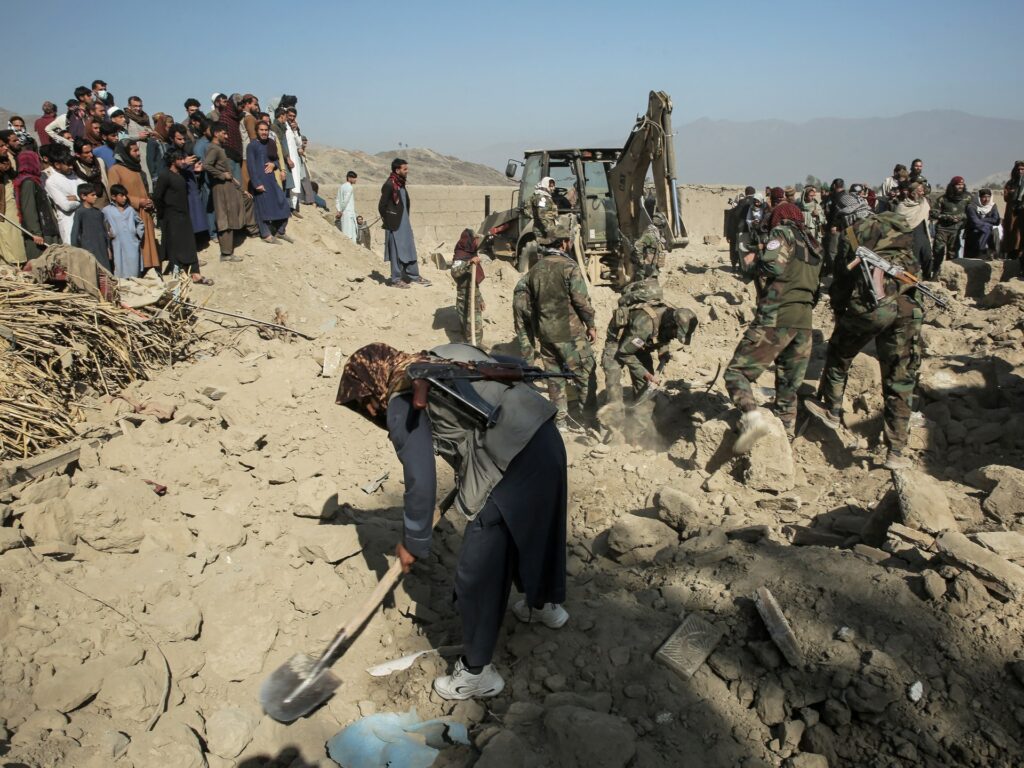
The recent bombing in Afghanistan highlights the volatile nature of the region and raises questions about Pakistan’s strategic response as India-Taliban relations reportedly strengthen. Pakistan finds itself navigating a precarious security environment, facing pressure on both its eastern border with India and its western frontier adjoining Afghanistan.
Pakistan’s military has conducted air raids across the Afghanistan border, actions that have disrupted a fragile ceasefire and escalated tensions. These operations appear to be targeting Taliban-linked groups perceived as threats to Pakistan’s national security. Islamabad’s strategy seems driven by a desire to counterbalance India’s growing influence in Afghanistan, a concern that has intensified with reports of increased cooperation between New Delhi and the Taliban.
Historically, Pakistan has maintained complex relations with the Taliban, occasionally supporting factions aligned with its interests while opposing those threatening its security. The reported warming of ties between India and the Taliban complicates this dynamic, prompting Pakistan to recalibrate its military and diplomatic approaches.
The Pakistani leadership appears to be dividing its focus between managing internal security challenges and responding to external pressures. With insurgent attacks claimed to be orchestrated from Afghan soil, Pakistan’s air raids signal a reluctance to allow Afghan territory to serve as a haven for militants targeting Pakistan.
Meanwhile, India’s engagement with the Taliban aims to ensure stability in Afghanistan and to curtail Pakistan’s influence there. New Delhi’s strategy includes development aid, diplomatic initiatives, and reportedly, direct contacts with Taliban leaders. This approach aims to safeguard India’s strategic interests and counter Pakistan-backed insurgent activities.
Pakistan’s strategy amidst these developments involves striking a balance between military action and diplomatic efforts. The government seeks to avoid full-scale conflict while asserting its regional influence. The air raids underscore Islamabad’s willingness to use force preemptively but also highlight challenges in maintaining peace along a highly contested border.
Analysts suggest that Pakistan’s aggressive response is partly a show of strength to deter both India and the Taliban from further encroachment. However, such actions risk triggering broader instability and complicating efforts for regional peace.
The international community has urged restraint and dialogue to avoid escalation. Both Pakistan and India hold critical roles in achieving lasting peace in Afghanistan, where multiple stakeholders, including the Taliban, play influential roles.
As India-Taliban ties deepen and Pakistan intensifies its military operations, the region faces a complex interplay of geopolitical rivalries and security challenges. The coming months will be crucial in determining whether these tensions contribute to renewed conflict or pave the way for negotiated stability.