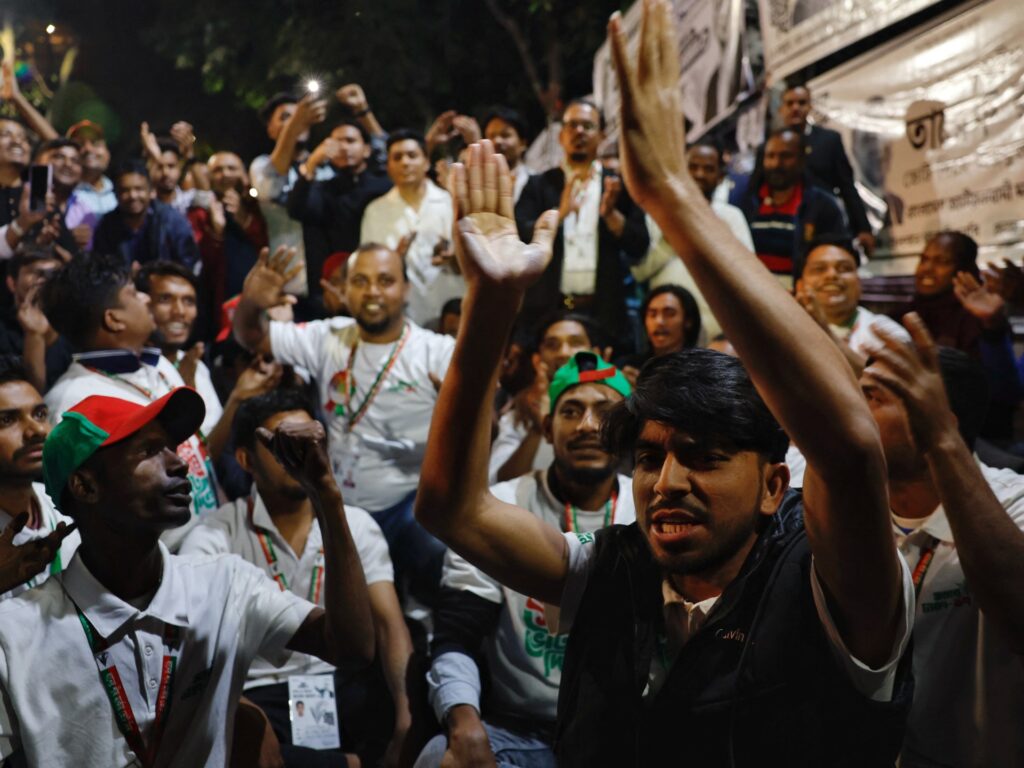
In the wake of a significant political development in Bangladesh, there is a palpable sense of cautious optimism among the nation’s younger generation, specifically Gen Z. The recent ascension of Rahman from the Bangladesh Nationalist Party (BNP) to power marks a pivotal moment in the country’s political landscape, promising potential changes that could reshape governance and policy priorities.
Gen Z Bangladeshis, who represent a vital demographic with unique perspectives and expectations, have responded to Rahman’s rise with a hopeful yet measured enthusiasm. This group, born into a rapidly evolving socio-political environment, is keenly aware of the challenges ahead but remains optimistic about the prospects of meaningful reform.
One key aspect of this optimism is the demand from young people that the new government genuinely prioritizes their voices. Having often felt marginalized or ignored in previous political cycles, the youth are now advocating for policies that directly address their concerns, ranging from education and employment opportunities to climate change and social justice.
The recent elections served as a critical juncture where the electorate, particularly young voters, expressed their desire for responsive leadership that aligns with their aspirations. Rahman’s victory is seen not only as a change in administration but as an opportunity to fulfill the promises made during the campaign.
However, the optimism is tempered with caution. Young Bangladeshis acknowledge the complexities involved in translating electoral promises into actionable policies. They remain vigilant, calling for transparency, accountability, and ongoing engagement between the government and its youth constituency.
Community forums, social media platforms, and youth-led initiatives have become arenas for dialogue where expectations are communicated, and progress is monitored. This active involvement signifies a shift towards a more participatory form of governance, where young citizens are not mere spectators but active contributors to the national discourse.
The BNP, under Rahman’s leadership, faces the challenge of navigating a diverse and dynamic political environment. Delivering on poll promises will require careful balancing of various interests, robust policy formulation, and effective implementation strategies.
For the youth, the coming months will be critical. They are watching closely to see whether the government can create tangible improvements in areas that affect their daily lives. Success in these areas could solidify the faith of Gen Z in democratic processes and inspire further political engagement.
In summary, Rahman’s rise to power has sparked a wave of ‘very hopeful’ sentiment among Bangladesh’s younger generation. While optimism abounds, it is coupled with a demand for genuine governmental responsiveness and the delivery of promised reforms. This moment represents both a challenge and an opportunity to shape a future that resonates with the hopes and dreams of Bangladesh’s youth.