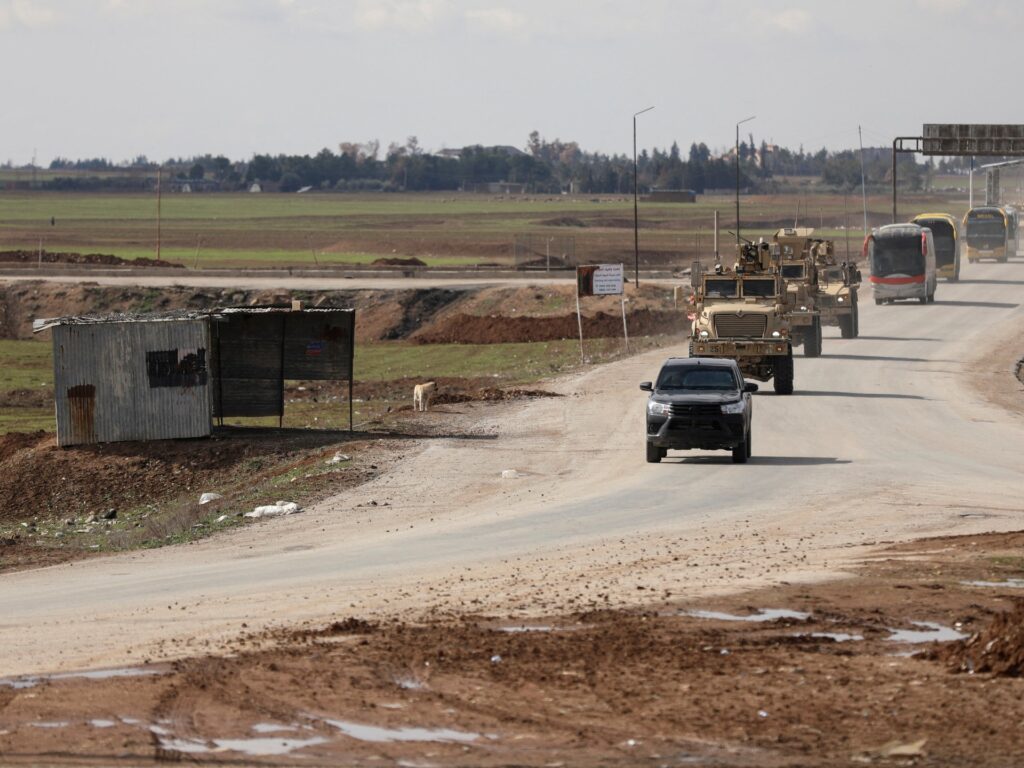
The US Army has launched a significant retaliatory operation against ISIL targets in Syria, marking a robust response to ongoing terrorist threats in the region. This operation, dubbed Operation Hawkeye, involved coordinated strikes on approximately 100 ISIL targets, resulting in the death and capture of more than 50 ISIL fighters. The offensive represents a strategic effort to dismantle the capabilities of ISIL, which has continued to pose a security threat in Syria and beyond.
Operation Hawkeye was executed with precision, targeting key locations believed to be strongholds and operational hubs of ISIL forces. The successful strikes likely disrupted the extremist group’s command and control infrastructure, limiting their ability to coordinate attacks and expand their influence. By neutralizing a significant number of fighters, the US Army has dealt a substantial blow to ISIL’s manpower and morale.
The context for these military actions is rooted in the ongoing conflict and instability in Syria, where ISIL remnants have exploited the chaotic environment to regain strength. The US-led coalition, alongside local partners, has been engaged in relentless efforts to counteract this resurgence. Operation Hawkeye underscores the commitment of the US military to eliminating terrorist threats and stabilizing the region.
While exact details on the locations and timing of the strikes remain classified, the operation showcases the US Army’s enhanced surveillance and precision strike capabilities. These advanced military technologies and tactics enable effective targeting with minimized collateral damage, an essential consideration in conflict zones with civilian populations.
The aftermath of Operation Hawkeye is expected to influence the broader dynamics of the Syrian conflict. With ISIL’s operational capacity significantly reduced, local and international forces may find improved leverage in negotiations and military campaigns against remaining extremist elements.
In addition to the immediate military successes, the operation serves as a warning to ISIL and other terrorist groups about the continuous vigilance and readiness of the US military. By maintaining pressure on such groups, the US aims to prevent the re-establishment of safe havens and reduce the likelihood of future attacks on its interests and allies.
Strategists and military analysts have praised Operation Hawkeye as a demonstration of effective counterterrorism strategy, combining intelligence, precision strikes, and coalition efforts. The operation highlights the importance of persistence and adaptability in counterterrorism operations, especially in complex conflict zones.
The success also brings attention to the challenges that remain in Syria and the region. Despite setbacks like Operation Hawkeye, ISIL’s ideology and networks require ongoing efforts to fully eradicate the threat. The US and its partners will need to continue supporting local governance, reconstruction, and deradicalization programs to achieve long-term stability.
In conclusion, Operation Hawkeye marks a significant milestone in the fight against ISIL in Syria, delivering a substantial blow to the terrorist group through coordinated and effective military action. The operation’s success demonstrates the continued resolve of the US Army and its allies to combat extremism and support regional stability, signaling a crucial step forward in what remains a complex and challenging conflict environment.