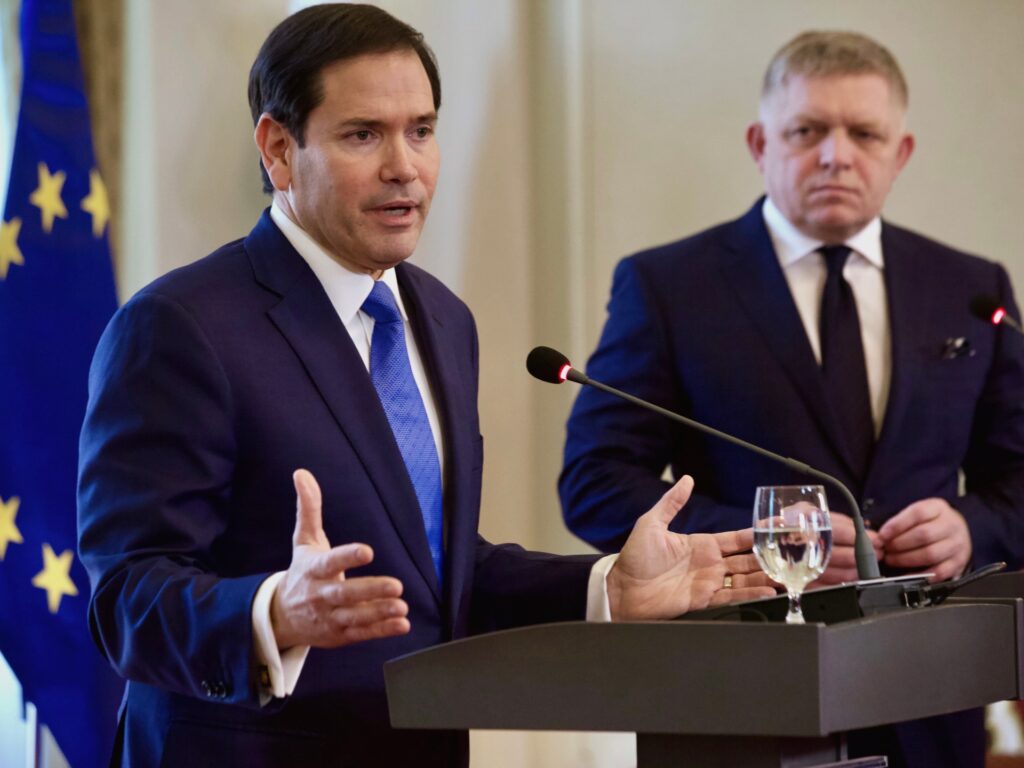
The United States has publicly accepted the European Union’s assessment regarding the poisoning of Russian opposition leader Alexei Navalny, with Senator Marco Rubio affirming that Washington will not contest the findings presented by its European partners. This development marks a significant moment of transatlantic cooperation on addressing the alleged use of chemical weapons against Navalny. Navalny, a prominent critic of Russian President Vladimir Putin, fell ill during a flight in August 2020 and was subsequently confirmed by multiple European laboratories to have been poisoned with a nerve agent from the Novichok group.
Senator Rubio’s statement underscores the United States’ commitment to align with European allies in seeking accountability for this act. It reflects a strategic diplomatic consensus amid growing international condemnation of the attack, which many Western officials attribute to the Kremlin, a charge Russia denies.
The British government is actively considering imposing new sanctions in response to the incident, building on previously enacted measures aimed at Russian entities and individuals linked to human rights abuses and international law violations. These prospective sanctions may target additional members of the Russian security apparatus, chemical weapons programs, or those implicated in the Navalny case.
The cooperation between the US and Europe highlights the broader geopolitical tensions surrounding Russia’s conduct both domestically and on the international stage. Navalny’s poisoning has intensified scrutiny on Russia’s use of toxic agents as tools of political suppression.
US Secretary of State’s comments echo an evolving global approach to addressing chemical weapons use, reinforcing the necessity of multilateral efforts to uphold international norms and punish violations. The acknowledgment by the US and willingness to support European-led initiatives aim to increase diplomatic pressure on Moscow while promoting a unified front among allies.
International reactions to Navalny’s poisoning have varied, but the EU’s definitive conclusion has propelled coordinated responses including sanctions, diplomatic protests, and increased calls for investigations by international bodies.
The situation remains dynamic, with the UK government expected to announce details on potential sanction packages soon. Meanwhile, Washington continues to engage with partners in Europe and other global actors to formulate comprehensive strategies to deter further use of chemical agents.
This stance represents a continuation of the West’s firm posture against perceived Russian aggression and human rights violations, reinforcing commitments to justice and security in the international order.
Experts note that maintaining a united transatlantic approach is crucial for maximizing the effectiveness of sanctions and diplomatic measures against Russia. The US decision not to dispute the European assessment signals a significant alignment in intelligence and policy.
Moving forward, observance of Russia’s response and any changes in its foreign or domestic tactics will be closely monitored by allied governments. Navalny’s case remains a poignant symbol of broader struggles for democratic freedoms and accountability in authoritarian regimes.
The coordinated international response to the poisoning serves as a reminder of the complexities in managing global security threats, the importance of alliance solidarity, and the need for persistent vigilance against violations of international law.