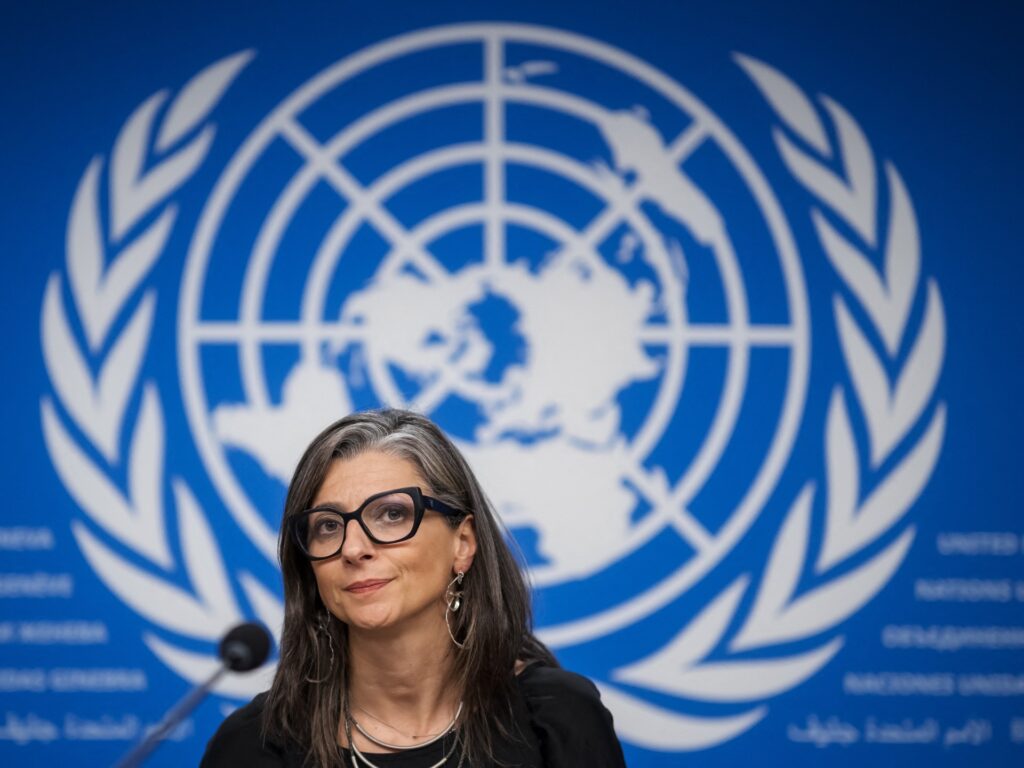
Francesca Albanese, the United Nations Special Rapporteur on the situation of human rights in the Palestinian territories, has found significant backing from over 100 artists worldwide after facing calls to resign from major European countries including France and Germany. The controversy stems from Albanese’s recent remarks concerning the Israeli-Palestinian conflict, which some officials labeled as biased, though these claims have been widely debunked.
Since her appointment, Albanese has been vocal about the ongoing issues in the Palestinian territories, focusing on human rights and international law adherence. Her recent comments sparked backlash, leading to political pressure for her resignation. Countries like France and Germany publicly demanded her step down, alleging her impartiality was compromised.
In response to these pressures, a coalition of artists from diverse backgrounds released a joint statement supporting Albanese’s role and work. They emphasized the importance of her mission in highlighting human rights concerns and called on the international community to uphold the principles of justice and freedom of expression. The artists’ collective underscored that silencing voices like Albanese’s could hinder progress toward a peaceful resolution.
The support includes influential figures from the arts world—musicians, painters, poets, and filmmakers—who argue that Albanese’s statements have been misunderstood or intentionally misrepresented by political forces. They assert that her dedication to truth and human dignity should not be punished but rather encouraged.
Albanese herself has maintained her commitment to her role, insisting that her assessments and reports are based on thorough investigations and grounded in facts. She has called for dialogue and adherence to international human rights standards as essential pathways to resolving the conflict.
Her stance has reignited debate about the role of UN special rapporteurs, the politicization of their positions, and the challenges of addressing contentious issues in conflict zones. Supporters warn that yielding to political pressure could undermine the independence of such UN positions, potentially leading to a chilling effect on human rights reporting worldwide.
Furthermore, the calls for Albanese’s resignation highlight the larger geopolitical tensions surrounding the Israeli-Palestinian conflict. France and Germany’s demands are viewed by some analysts as part of broader diplomatic alignments and pressures within international politics, where human rights issues sometimes become entangled with national interests.
The artists’ statement has contributed to a broader conversation on protecting the integrity and freedom of international human rights advocates. They urge the UN to stand firm against efforts to intimidate or discredit its officials who serve the global community with integrity.
As this debate continues, it shines a spotlight on the complexities of navigating human rights reporting in volatile regions and the essential need for international support for those who work to shed light on violations. The collective backing from the artistic community serves as a powerful reminder that voices in support of justice and human dignity remain resilient, even amid political controversy.
This episode stands as a significant moment for the UN and the global community, reflecting ongoing struggles over human rights advocacy, freedom of expression, and the broader quest for peace and justice in one of the most protracted conflicts in modern history.