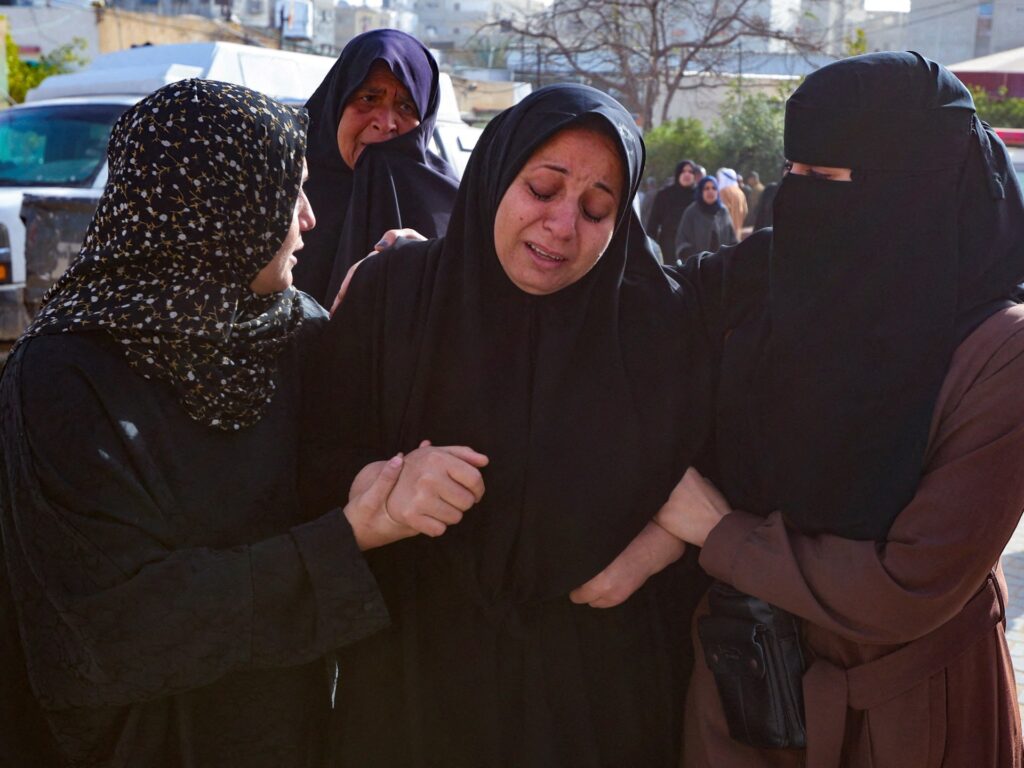
The Gaza Strip has witnessed another tragic day as Israeli forces killed 10 Palestinians within a 24-hour period, further escalating the already dire humanitarian situation in the region. These casualties have added to the mounting toll since the proclaimed ceasefire on October 10, which, according to reports, Israel has violated over 1,600 times.
Since the ceasefire declaration aimed at halting hostilities, the Gaza Strip has remained volatile with frequent flare-ups of violence. The continuous violations have resulted in the deaths of at least 601 Palestinians, exacerbating an environment of fear and uncertainty among the local population.
The latest killings underline the fragile nature of the ceasefire and the challenges in enforcing a sustained peace. The Gaza Strip has been a focal point of conflict between Israeli forces and Palestinian groups, with cycles of violence recurring over the years.
The death toll’s steady increase has sparked concerns within the international community about the effectiveness of ceasefire agreements and the need for stronger measures to protect civilian lives. Observers emphasize the importance of dialogue and conflict resolution efforts to avoid further bloodshed.
Human rights organizations have condemned the continuous Israeli airstrikes and military operations, calling for an immediate cessation of hostilities and adherence to international humanitarian law. They stress that civilian casualties must be minimized and humanitarian aid allowed to reach those affected by the conflict.
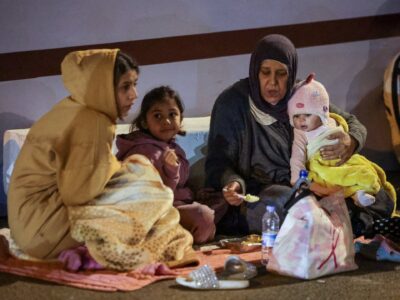
The residents of Gaza continue to endure severe hardships, including lack of access to basic necessities such as medical care, clean water, and electricity. The ongoing violence only compounds these difficulties, leaving many vulnerable and traumatized.
Analysts highlight the complex political and security dynamics that fuel the conflict in Gaza. They argue that without addressing underlying issues, including occupation, blockade, and political divisions, ceasefire agreements are unlikely to hold.
International mediators have been actively engaged in efforts to negotiate longer-term peace deals and de-escalate tensions. However, progress remains elusive amid deep-seated mistrust and strategic interests on both sides.
The situation remains fluid, and any further escalation could lead to more casualties and destabilize the already fragile peace efforts. Stakeholders urge all parties to engage constructively and honor their commitments to ceasefire terms.
The international community continues to monitor the developments closely, calling for an immediate end to violence and the resumption of meaningful negotiations aimed at achieving a durable peace in the region.
In conclusion, the killing of 10 Palestinians in the latest 24-hour period highlights the ongoing volatility and human cost of the Gaza conflict. It serves as a stark reminder of the urgent need for sustained diplomatic efforts, respect for ceasefire agreements, and protection of civilian lives in this deeply entrenched conflict.