Gaza’s Nasser Hospital has strongly refuted claims made by Médecins Sans Frontières (MSF) that armed men were present at the hospital. The hospital authorities described MSF’s statements as “unsubstantiated” and accused them of misrepresenting facts. According to officials at Nasser Hospital, the allegations mirror long-standing narratives historically used to justify attacks on medical facilities in conflict zones.
The controversy arose after MSF, an international humanitarian organization, issued statements suggesting that armed combatants were sheltering within the hospital premises. These claims were met with immediate denial from hospital staff and local health officials who emphasized the hospital’s strict commitment to neutrality and humanitarian principles.
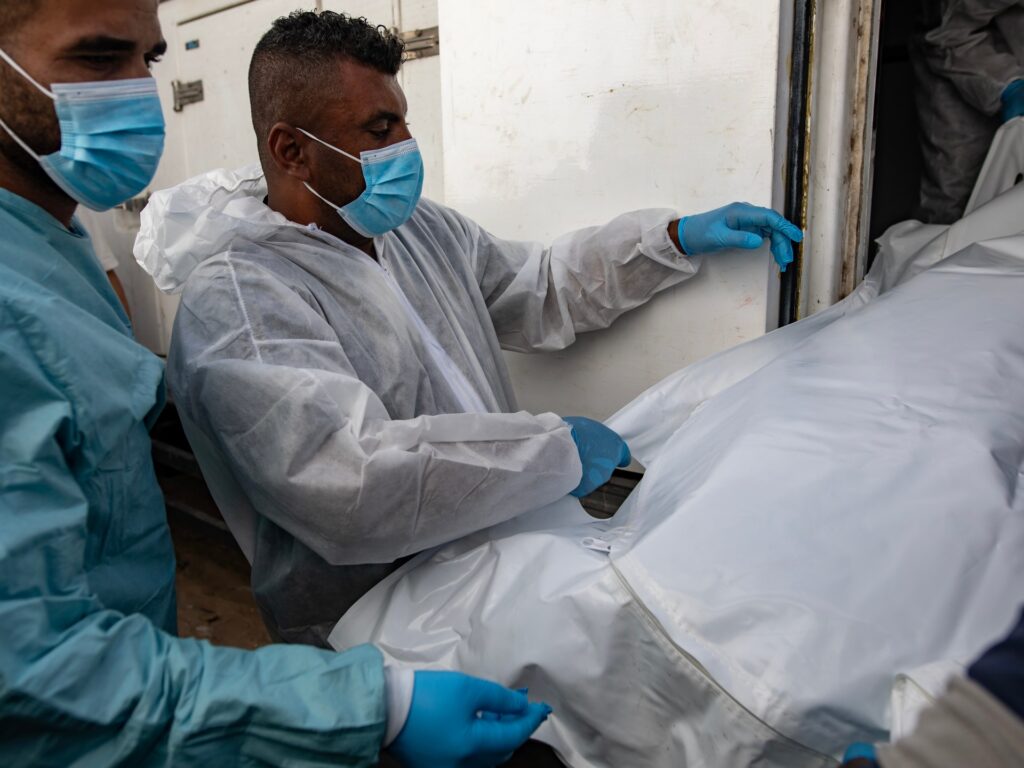
Nasser Hospital emphasized that the facility serves thousands of civilians daily amidst the ongoing conflict in Gaza and that any mischaracterization could endanger patients and medical personnel. The hospital condemned the dissemination of information that could potentially increase hostility towards healthcare providers in the region.
This incident highlights the persistent challenges and vulnerabilities faced by medical institutions operating in conflict areas. Hospitals like Nasser play a critical role in providing urgent care despite risks of collateral damage during military confrontations. Staff members often work under extreme pressure with limited resources to assist injured civilians.
Human rights groups have consistently called for the protection of medical facilities under international humanitarian law, which forbids targeting hospitals or using them for military activities. Misleading accusations can undermine the safety of these institutions and exacerbate humanitarian crises.
The Nasser Hospital’s response serves as a reminder of the complexities involved in conflict reporting and the importance of verifying information before making public allegations. It also calls for stronger adherence to neutrality and non-violence in medical environments.
Both healthcare providers and aid organizations face the difficult task of navigating political tensions while maintaining their commitment to assist vulnerable populations without discrimination. The ongoing dispute underscores the need for transparency and dialogue to prevent misinformation that can escalate conflicts further.
As the situation in Gaza remains volatile, the protection of healthcare facilities and respect for humanitarian principles remain paramount concerns for the international community. Ensuring accurate communication and safeguarding medical neutrality are essential steps towards alleviating human suffering amid conflict.